High blood pressure, also known as hypertension, poses a significant health risk, potentially leading to serious conditions such as heart disease and stroke. It’s crucial to understand the importance of managing blood pressure levels. While medication is commonly prescribed, many seek natural ways to lower their blood pressure. This blog post explores various lifestyle changes that can effectively regulate blood pressure without the need for medication. These practical tips aim to empower individuals to take control of their health through informed choices and consistent actions.
Eat More Fruits And Vegetables
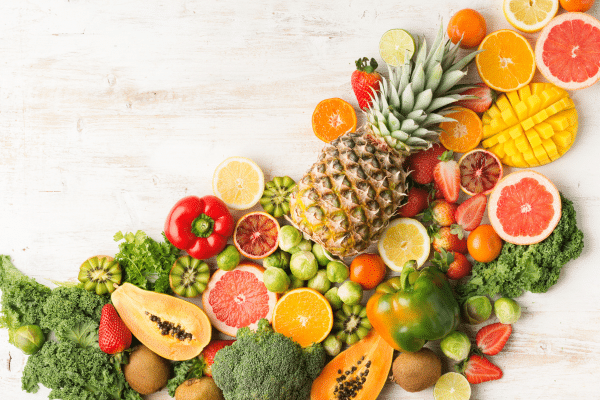
Incorporating a variety of fruits and vegetables into the diet plays a pivotal role in maintaining healthy blood pressure levels. These nutrient-dense foods are rich in essential vitamins, minerals, and fiber, which contribute to cardiovascular health. Potassium, found abundantly in bananas, oranges, and spinach, helps balance the effects of sodium and aids in relaxing blood vessel walls. Additionally, the dietary fiber in fruits and vegetables supports digestion and helps maintain a healthy weight, further reducing pressure on the cardiovascular system.
Creating a colorful plate is not only visually appealing but also beneficial for blood pressure management. It’s recommended to fill half the plate with vegetables and fruits at each meal, ensuring a diverse intake of the nutrients needed to combat hypertension. Simple strategies, such as adding berries to breakfast cereals, snacking on raw vegetables, or choosing fruit-based desserts, can significantly increase daily consumption. Furthermore, opting for fresh or frozen produce without added sugars or salts can optimize the health benefits and support overall well-being.
Exercise Regularly

Engaging in regular physical activity is a cornerstone of cardiovascular health. Exercise strengthens the heart, enabling it to pump blood more efficiently and reducing the force exerted on arteries, thereby lowering blood pressure. It’s not just about intense workouts; even moderate activities like brisk walking, cycling, or swimming can yield substantial benefits. Consistency is key, with experts recommending at least 150 minutes of moderate exercise or 75 minutes of vigorous activity per week.
Starting an exercise routine can be as simple as incorporating short walks into the daily schedule. For those with a busy lifestyle, breaking the activity into shorter sessions throughout the day can make it more manageable. It’s essential to choose activities that are enjoyable, increasing the likelihood of long-term adherence. Over time, gradually increasing the duration and intensity of workouts can further enhance cardiovascular resilience and contribute to blood pressure reduction. Always remember to consult with a healthcare provider before starting any new exercise program, especially for those with existing health conditions.
Limit Alcohol Intake

Moderation is crucial when it comes to alcohol consumption and blood pressure management. Studies have shown that drinking in excess can elevate blood pressure levels and negate the benefits of other healthy lifestyle changes. Alcohol contains calories, potentially leading to weight gain, a risk factor for hypertension. Moreover, it can interfere with the effectiveness of blood pressure medications. For those who consume alcohol, adhering to the recommended guidelines—up to one drink a day for women and two for men—is essential.
Reducing alcohol intake may seem challenging, but small, gradual changes can make a significant difference. Opting for non-alcoholic alternatives during social events or setting specific days as alcohol-free can help. Being mindful of the reasons for cutting back and the health benefits associated with it can also provide the necessary motivation. For individuals finding it difficult to moderate their drinking, seeking support from healthcare professionals or joining support groups can offer the guidance and encouragement needed to make positive changes.
Manage Stress

Chronic stress is a silent contributor to high blood pressure, prompting the body to produce stress hormones like cortisol and adrenaline, which temporarily increase blood pressure by causing the heart to beat faster and blood vessels to narrow. Although occasional stress is part of life, finding effective ways to manage chronic stress is crucial for maintaining a healthy blood pressure. Activities such as deep breathing, meditation, or yoga can activate the body’s relaxation response, helping to reduce stress levels and promote overall well-being.
Creating a balanced lifestyle can also play a significant role in stress management. This includes making time for hobbies, maintaining social connections, and ensuring adequate rest. Recognizing stress triggers and learning healthy ways to cope, such as talking to a friend or practicing mindfulness, can prevent stress from becoming overwhelming. For those who find stress difficult to manage, professional help from a therapist or counselor can provide strategies to cope more effectively, contributing to better blood pressure control and improved quality of life.