
Struggling to fall asleep or stay asleep is a common issue that affects millions of people worldwide. Whether it’s due to stress, anxiety, or poor habits before bed, sleepless nights can take a serious toll on your overall health. From feeling groggy during the day to long-term issues like weakened immunity and cognitive decline, the impact of poor sleep shouldn’t be underestimated. Fortunately, there’s a simple yet highly effective trick that can help you sleep better tonight. This technique is backed by science and can quickly calm the mind, allowing you to drift into restful, rejuvenating sleep without the need for medication.
The Importance of Quality Sleep

Quality sleep is essential for maintaining both physical and mental health. When the body receives adequate rest, it has time to repair muscles, balance hormones, and strengthen the immune system. Mentally, sleep improves cognitive functions, such as memory and decision-making, and stabilizes mood, helping to reduce irritability and stress. In contrast, a lack of restful sleep can leave the body vulnerable to chronic conditions like heart disease, diabetes, and depression.
Beyond its health implications, sleep also plays a key role in daily performance. A good night’s rest can boost productivity, enhance creativity, and improve focus, making it easier to meet the demands of the day. When sleep quality is poor, people often experience brain fog, lower energy levels, and impaired judgment, which can negatively impact both personal and professional life. Therefore, making sleep a priority is critical for overall well-being and success.
Common Causes of Sleep Problems
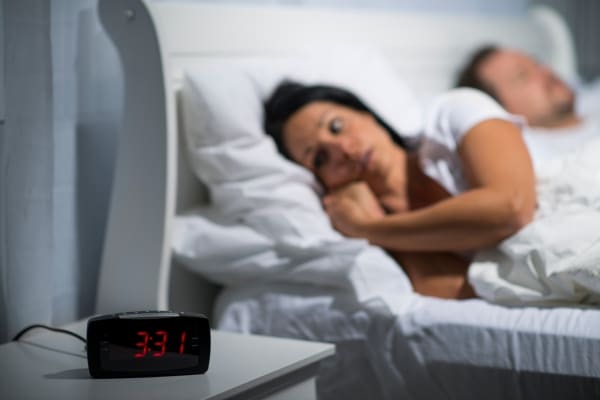
There are several factors that contribute to difficulty in falling and staying asleep. One of the most common causes is stress and anxiety, which often keeps the mind racing long after the day has ended. When the brain is overloaded with thoughts, it becomes challenging to relax and ease into sleep. Additionally, irregular sleep schedules, excessive screen time before bed, and unhealthy nighttime routines can all disrupt the body’s natural circadian rhythm.
Environmental factors also play a significant role in poor sleep. A noisy room, uncomfortable bed, or inappropriate lighting can prevent the body from entering a deep sleep cycle. Temperature is another critical factor, as being too hot or too cold can cause frequent awakenings throughout the night. While some people turn to sleeping pills for relief, these can lead to dependency and are not a sustainable long-term solution.
Introducing the Simple Trick

A highly effective and natural solution to improving sleep is the 4-7-8 breathing technique. This simple trick, developed by Dr. Andrew Weil, is designed to help you fall asleep faster by calming the nervous system and promoting relaxation. The method involves inhaling for four seconds, holding the breath for seven seconds, and exhaling slowly for eight seconds. By repeating this cycle a few times, you can lower your heart rate and reduce stress levels, which helps the body prepare for sleep.
Scientific research supports the effectiveness of this breathing technique, particularly in reducing anxiety and inducing a relaxed state. Controlled breathing helps activate the parasympathetic nervous system, which is responsible for the body’s rest-and-digest response. By focusing on slow, deliberate breaths, the 4-7-8 technique shifts attention away from racing thoughts and promotes a sense of calm, making it easier to drift into a peaceful sleep.