
Gut health is a critical component of overall wellness, influencing everything from your digestion to your immune system. Despite its importance, a common ingredient found in many diets could be undermining your digestive health: processed sugar. This post will delve into how processed sugar affects your gut and suggest healthier alternatives to safeguard your intestinal flora. You’ll explore the hidden dangers of processed sugars, their impact on your body, and practical steps to enhance gut health through diet changes.
Understanding Gut Health
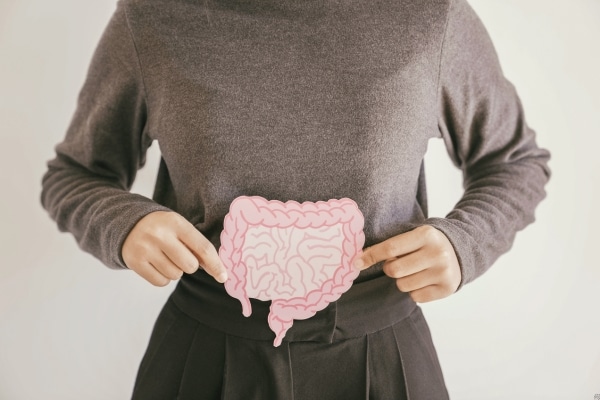
Gut health refers to the function and balance of bacteria in the gastrointestinal tract. Essential to processing food and absorbing nutrients, a healthy gut also plays a vital role in protecting the immune system. An imbalance in this delicate ecosystem can lead to digestive problems and other health issues. It’s crucial to understand the types of bacteria involved and how lifestyle choices can impact this balance.
The microbiome, which is the community of microorganisms living in the intestines, includes both beneficial and harmful bacteria. Maintaining the right balance of these bacteria is key to gut health. Factors like diet, medication, and stress can disrupt this balance, promoting the growth of bad bacteria at the expense of good bacteria. Recognizing the influence of these factors is the first step towards taking control of your gut health.
The Culprit: Processed Sugar

Processed sugar is pervasive in modern diets, hidden in everything from soft drinks to supposedly healthy cereals. It is not just a matter of consuming too many calories; sugar fundamentally affects the bacterial balance in the gut. When harmful bacteria feed on sugar, they thrive, outnumbering the beneficial bacteria that promote health. This shift can have profound effects on your overall digestive health.
The consumption of processed sugar leads to the overgrowth of yeast and harmful bacteria, which can further exacerbate the imbalance in gut flora. As these organisms multiply, they can compromise the integrity of the gut lining, a condition often referred to as ‘leaky gut.’ This disruption can allow toxins and undigested food particles to enter the bloodstream, triggering inflammation and other immune responses.
The Impact of Sugar on Your Gut

Regular intake of high-sugar foods can lead to more than just weight gain; it actively disrupts gut health. By feeding the harmful bacteria in the gut, sugar creates an environment that diminishes digestive efficiency and compromises the gut barrier. This imbalance can result in common gastrointestinal symptoms such as bloating, gas, and irregular bowel movements. Over time, the constant challenge to the immune system can lead to chronic health issues.
Moreover, an unhealthy gut microbiome can affect the body’s ability to absorb nutrients, leading to deficiencies and reduced immune function. The relationship between a sugar-laden diet and poor gut health is a vicious cycle that can affect every aspect of a person’s well-being. Addressing this issue is crucial for anyone looking to improve their digestive health and overall vitality.
Sugar’s Role in Chronic Inflammation

An unhealthy gut doesn’t only cause discomfort; it can also lead to systemic inflammation throughout the body. This chronic inflammation is linked to a host of modern diseases, including diabetes, heart disease, and obesity. The gut health compromised by excess sugar intake fuels these inflammatory responses, highlighting the broader impacts of dietary choices on health.
Chronic inflammation driven by poor gut health is a silent threat that progresses over time, often without immediate symptoms. By the time individuals recognize the problem, significant damage may have already occurred. Reducing sugar intake is not just beneficial for gut health but is also crucial for preventing inflammation that can lead to long-term health problems.