Minor Cuts And Scrapes
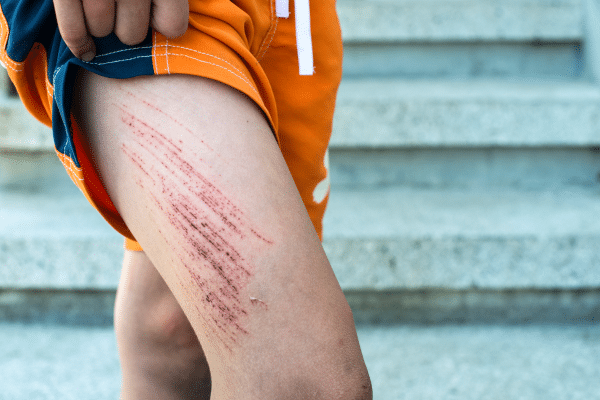
Minor cuts and scrapes are a part of everyday life and can usually be treated effectively at home. Cleaning the wound with mild soap and water, applying an antibiotic ointment, and covering it with a bandage are standard steps to prevent infection and promote healing. It’s important to keep the wound clean and dry, and to change the dressing regularly. Over-the-counter pain relievers can help alleviate discomfort if needed. Most minor wounds heal within a few days to a week, depending on their size and depth.
However, attention to signs of infection is vital. Symptoms like increased redness, swelling, warmth around the wound, or pus discharge are indications that medical attention might be necessary. Additionally, if the cut is deep, won’t stop bleeding, or is caused by a dirty or rusty object, a healthcare professional should be consulted. Tetanus shots may be required in certain cases, especially if one’s vaccination is not up-to-date.
Mild Sunburn
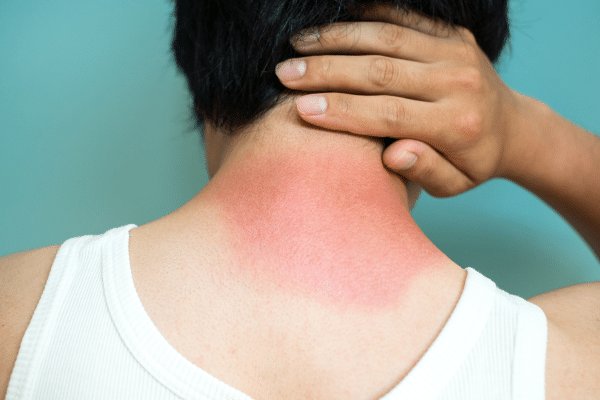
Mild sunburn can usually be addressed with home treatment. Symptoms such as red, painful, and warm skin can be relieved with cool baths or compresses, moisturizing lotions, and over-the-counter hydrocortisone creams. Staying hydrated and avoiding further sun exposure is also critical. Aloe vera, known for its soothing properties, can be beneficial in treating mild sunburn. However, one should avoid “buttering” the burn, a common misconception, as this can trap heat in the skin and worsen the burn.
Severe sunburn, characterized by extensive blistering, severe pain, or symptoms of heat illness like fever, chills, or nausea, requires medical attention. Such cases can lead to dehydration, infection, or even heat stroke. Sunburns of this magnitude can also increase the risk of skin cancer later in life, making prevention through the use of sunscreen, protective clothing, and seeking shade crucial.
Muscle Soreness
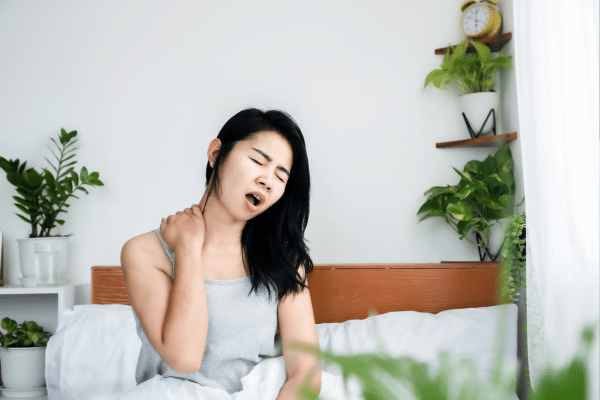
Muscle soreness following exercise or minor physical activity is common and usually not a cause for concern. This type of soreness, known as delayed onset muscle soreness (DOMS), typically develops 12 to 24 hours after the activity and gradually subsides within a few days. Gentle stretching, warm baths, and over-the-counter pain relievers can ease discomfort. Maintaining light physical activity can also help alleviate symptoms faster than complete rest.
However, distinguishing between normal soreness and a muscle injury is essential. Sharp, acute pain during or immediately after activity, swelling, or an inability to use the muscle may indicate a more serious injury, such as a muscle strain or tear. In these cases, medical evaluation is advisable. Proper warm-up before exercising and gradually increasing the intensity of physical activity can help prevent muscle injuries.
Mild Indigestion

Mild indigestion, often resulting from overeating or eating too quickly, usually doesn’t require a doctor’s visit. Symptoms like bloating, heartburn, or stomach discomfort can often be alleviated with lifestyle changes. Eating smaller, more frequent meals, avoiding spicy or fatty foods, and not lying down immediately after eating can help. Over-the-counter antacids or digestive aids may also provide relief. Staying hydrated and engaging in regular physical activity can aid in better digestion.
However, persistent or severe indigestion, especially when accompanied by unintended weight loss, difficulty swallowing, or persistent vomiting, should be evaluated by a healthcare professional. These symptoms could be indicative of more serious gastrointestinal issues, such as ulcers or gastroesophageal reflux disease (GERD). Early medical intervention in such cases can prevent complications and provide more effective treatment options.
The Bottom Line
Recognizing when a health issue can be managed at home and when it requires medical attention is an essential aspect of self-care. This knowledge not only optimizes personal health management but also contributes to the efficient use of healthcare resources. However, it is crucial to remember that this guidance is not a substitute for professional medical advice. When in doubt, especially in cases of severe symptoms or persistent discomfort, consulting a healthcare provider is the best course of action. Ultimately, staying informed and being attentive to one’s body are key to making wise health decisions.