Contents
Low-Carb vs. Low-Fat—Which One Wins?

Low-carb and low-fat diets have been battling for decades, each claiming to be the superior approach for weight loss and health. Low-carb diets reduce carbohydrate intake to encourage fat burning, while low-fat diets focus on cutting out excessive fats to lower calorie consumption.
The truth is, both diets can work—it just depends on personal preference. Some people thrive on a low-carb diet, feeling more satisfied with proteins and fats, while others do better with a low-fat approach that allows for more grains and starchy vegetables. The key is finding what is realistic and sustainable for long-term success.
The Paleo Diet—Eating Like Our Ancestors
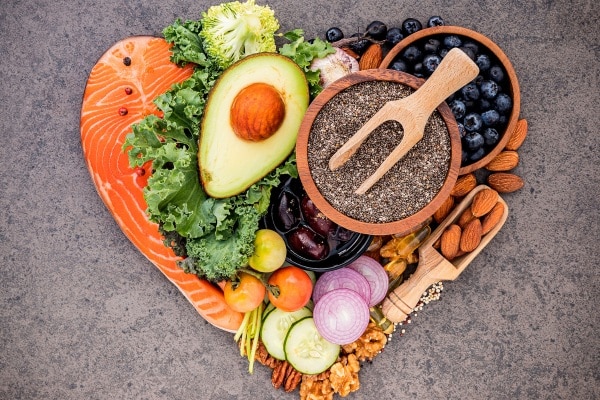
The paleo diet is based on the idea that humans should eat as their ancestors did before agriculture introduced processed foods. This means consuming lean meats, fish, nuts, seeds, fruits, and vegetables while avoiding grains, dairy, legumes, and processed sugar. Supporters argue that this diet reduces inflammation, supports weight loss, and improves digestion.
While the paleo diet does promote whole foods and the elimination of processed junk, it has drawbacks. Cutting out entire food groups, such as dairy and grains, can lead to nutritional imbalances. Plus, the idea that humans should strictly eat like early ancestors ignores how dietary needs have evolved over time. Paleo can be beneficial, but it may not be necessary to be so restrictive to achieve health and weight goals.
Detox Diets and Juice Cleanses—Fad or Effective?

Detox diets and juice cleanses often promise quick weight loss and “flushing out toxins.” These diets typically involve drinking only fruit and vegetable juices or following extreme restrictions for a short period. While they may lead to temporary weight loss, the weight often returns once regular eating resumes.
The human body already has a natural detoxification system—our liver and kidneys do an excellent job at eliminating toxins. Long-term juice cleanses can lead to muscle loss, fatigue, and nutrient deficiencies. Instead of quick fixes, a balanced diet rich in whole foods is a much more effective way to support the body’s natural detox processes.
Finding a Diet That Works—Personalization Over Perfection

No single diet works for everyone, which is why personalization is key. Some thrive on keto, while others feel better on a Mediterranean or plant-based diet. The most effective approach is one that aligns with individual preferences, health needs, and lifestyle demands.
Rather than chasing the latest trend, it’s more important to focus on long-term sustainability. A good diet should be enjoyable, nutritious, and practical for daily life. Making small, consistent changes—such as eating more whole foods, reducing processed sugar, and staying active—is far more effective than following a restrictive diet for a few weeks before giving up.
Final Thoughts: Diets Aren’t Magic—Sustainability Is Key
Fad diets come and go, but the key to lasting health and weight management is consistency. Rather than focusing on extreme restrictions or short-term fixes, the best approach is one that is realistic and enjoyable for life.
The most successful diets are not about eliminating entire food groups or following strict rules—they are about balance, quality nutrition, and habits that can be sustained over time. Choosing a diet that aligns with personal goals and lifestyle, rather than chasing the latest trend, will always lead to better results in the long run.