
With countless diets promising rapid weight loss and better health, it’s easy to feel overwhelmed by conflicting advice. From keto and intermittent fasting to plant-based and Mediterranean approaches, each diet claims to be the best. But the real question is—do they actually work? The truth is, no single diet fits everyone, and success depends on sustainability, balance, and individual needs. Instead of chasing the latest trend, understanding what truly makes a diet effective can help create lasting, healthy habits.
The Keto Craze—Is It a Long-Term Solution?
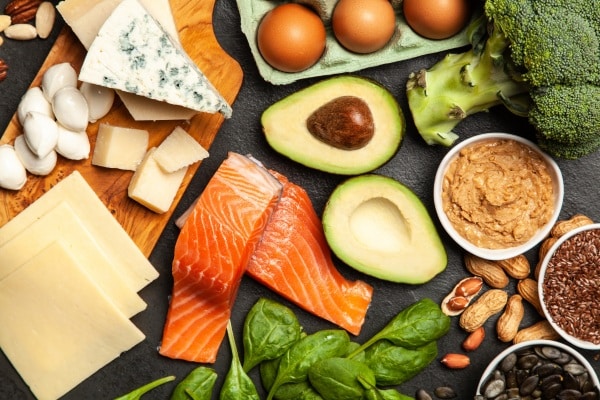
The ketogenic diet (or keto) has skyrocketed in popularity for its ability to burn fat quickly. It focuses on a high-fat, moderate-protein, and low-carbohydrate intake, pushing the body into ketosis—a state where fat becomes the primary fuel source instead of carbs. This metabolic switch has been shown to promote rapid weight loss and even improve certain health conditions like type 2 diabetes and epilepsy.
However, the keto diet is not without its downsides. Many people struggle with its strict carb limitations, leading to fatigue, brain fog, and difficulty maintaining social eating habits. Long-term adherence can also result in potential nutrient deficiencies, as cutting out major food groups (like fruits and whole grains) can reduce fiber and essential vitamins. While it works for some, many find it difficult to sustain in the long run.
Intermittent Fasting—Timing Over Calories?

Intermittent fasting (IF) isn’t about restricting certain foods but rather when they are consumed. The most popular forms include the 16:8 method (fasting for 16 hours, eating within an 8-hour window) and the 5:2 approach (eating normally five days a week and drastically reducing calorie intake for two non-consecutive days). IF has been praised for improving metabolism, promoting fat loss, and even offering potential longevity benefits.
While many find intermittent fasting effective and easy to follow, it’s not for everyone. Some struggle with hunger, irritability, or difficulty maintaining energy levels. Additionally, those with a history of disordered eating or specific medical conditions may find fasting counterproductive. Ultimately, IF can be a powerful tool if it aligns with an individual’s lifestyle and preferences.
Plant-Based Diets—The Power of Whole Foods
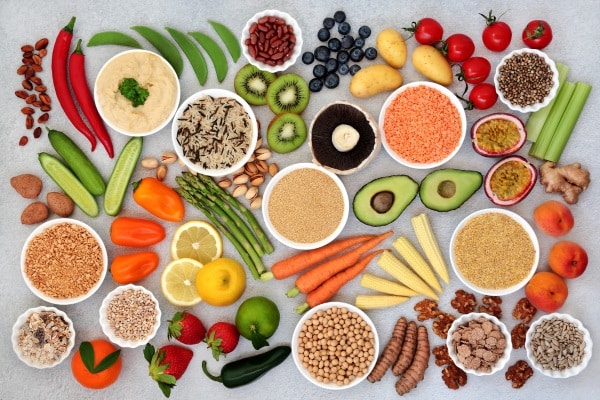
Plant-based diets, including vegetarian, vegan, and flexitarian lifestyles, emphasize whole foods like fruits, vegetables, nuts, legumes, and whole grains while minimizing or eliminating animal products. These diets are linked to lower risks of heart disease, improved digestion, and even longer lifespans. The focus on nutrient-dense foods also naturally aids in weight management.
However, going plant-based requires careful planning. Eliminating meat and dairy can lead to protein, iron, and vitamin B12 deficiencies if not properly supplemented. Additionally, highly processed plant-based alternatives, such as fake meats and vegan junk food, can be just as unhealthy as processed animal products. A well-balanced plant-based diet can work, but it takes mindfulness and variety.
The Mediterranean Diet—Why It Stands the Test of Time
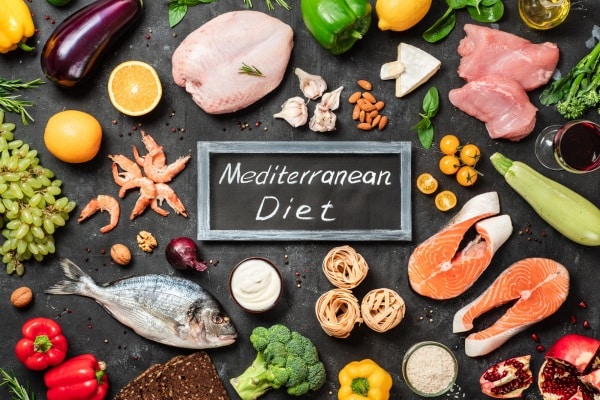
Unlike many trendy diets, the Mediterranean diet has decades of research backing its health benefits. Inspired by the eating habits of countries like Greece and Italy, this diet emphasizes healthy fats (olive oil, nuts), lean proteins (fish, poultry), whole grains, and an abundance of fresh fruits and vegetables. It is consistently ranked as one of the best diets for heart health and longevity.
One of the biggest advantages of the Mediterranean diet is its flexibility and sustainability. Instead of extreme restrictions, it focuses on balance, making it easier to follow for life. There’s no need to count calories or cut out entire food groups, making it one of the most effective long-term diets.