
Detox Diet Drawbacks

Detox diets are often touted for their ability to cleanse the body of toxins and promote rapid weight loss. These diets typically involve a period of fasting, followed by a strict diet of fruits, vegetables, juices, and water. While the idea of purifying the body may sound appealing, the concept of detoxification is not supported by scientific evidence. The human body is already equipped with complex systems, such as the liver and kidneys, that effectively eliminate toxins.
The restrictive nature of detox diets can lead to nutrient deficiencies and energy deprivation, as they often lack essential macronutrients needed for proper bodily function. This can result in short-term side effects such as fatigue, irritability, and muscle loss. In the long term, frequent detoxing can disrupt metabolism and lead to severe health issues, including electrolyte imbalances and heart problems. The promise of a quick fix with detox diets is, therefore, not only misleading but potentially harmful.
Intermittent Fasting Challenges

Intermittent fasting has gained popularity as a diet that alternates between periods of eating and fasting, with the idea that the timing of meals can drive weight loss and improve metabolic health. Proponents argue that it mirrors ancestral eating patterns, but modern lifestyles may not align with this approach, leading to potential health risks. Extended periods without food can trigger significant stress on the body, potentially exacerbating conditions like hypoglycemia or even leading to disordered eating patterns in vulnerable individuals. The diet’s rigidity can also be socially isolating, as fasting periods may conflict with family meals or social gatherings.
The impact of intermittent fasting on metabolism is a subject of debate. Some studies suggest that it can increase fat oxidation and promote lean muscle mass retention, but others indicate it could actually slow metabolism if the body perceives a state of famine and conserves energy. Furthermore, the diet’s effectiveness is highly individual, with some experiencing energy dips during fasting periods that can interfere with daily activities and exercise routines. The potential for muscle loss is also a concern, particularly for those who do not consume adequate protein during their eating windows or who engage in high-intensity workouts without proper fueling.
Vegan Diet Considerations
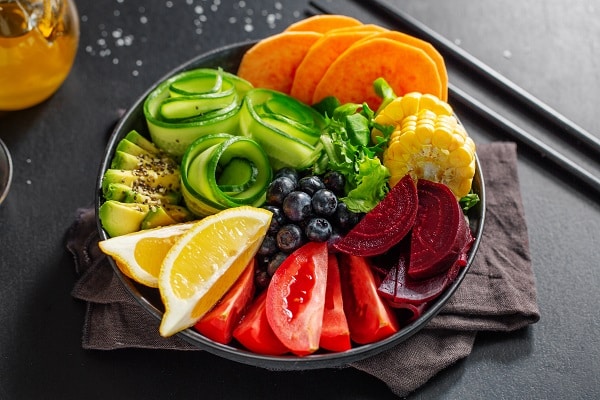
Adopting a vegan diet involves eliminating all animal products, which is often motivated by health, ethical, or environmental concerns. While a well-planned vegan diet can be nutritionally adequate and provide health benefits, it requires a conscientious effort to avoid nutrient deficiencies. Key nutrients of concern include vitamin B12, iron, calcium, omega-3 fatty acids, and vitamin D, which are typically abundant in animal products. Vegans must seek out plant-based sources of these nutrients or rely on fortified foods and supplements to meet their nutritional needs.
The risk of over-relying on processed vegan alternatives is another consideration. These products can be high in sodium, sugar, and saturated fats, negating some of the health benefits of a plant-based diet. Additionally, the emphasis on whole food plant-based ingredients can be more time-consuming and expensive, which may not be sustainable for everyone. It’s also important to consider the social and cultural implications of a vegan diet, as it can impact dining out and social events centered around traditional food offerings.
Your Health, Your Diet, Your Choice!
In navigating the complex world of diets, it’s essential to approach popular eating plans with a critical eye. The potential risks associated with these diets underscore the importance of personalized nutrition. Before embarking on any dietary change, consulting with healthcare professionals can help tailor choices to individual health needs. Embrace a balanced diet that supports long-term well-being, and remember that the best diet is one that is sustainable and aligns with your unique lifestyle and nutritional requirements.