Exploring the landscape of popular diets reveals a tapestry of quick-fix solutions and long-term health strategies. Each diet promises a path to better health, weight loss, or both, but often at the risk of overlooking potential dangers. This article delves into the risks of popular diets, offering insight into what might lurk beneath their glossy exteriors. Understanding these risks is crucial for anyone considering a new eating plan, as the pursuit of wellness should not compromise overall health.
Keto Diet Risks

The ketogenic diet, a regimen high in fats and low in carbohydrates, aims to induce a state of ketosis where the body burns fat for fuel instead of glucose. This shift can lead to rapid weight loss, which has catapulted the keto diet to fame. However, this diet’s restrictive nature can lead to significant nutrient deficiencies, particularly in fiber, vitamins, and minerals typically found in fruits, grains, and vegetables. The long-term implications of such deficiencies can range from constipation and decreased bone density to more severe cardiovascular issues due to increased intake of saturated fats.
Moreover, the keto diet’s high fat content raises concerns about its impact on heart health. While some studies suggest a ketogenic diet can improve cholesterol levels, others point to an increase in ‘bad’ LDL cholesterol, a known risk factor for heart disease. The diet’s emphasis on fats also often leads to an increased consumption of red meat and processed foods high in sodium, which further exacerbates the risk of developing hypertension and related complications.
Paleo Diet Concerns
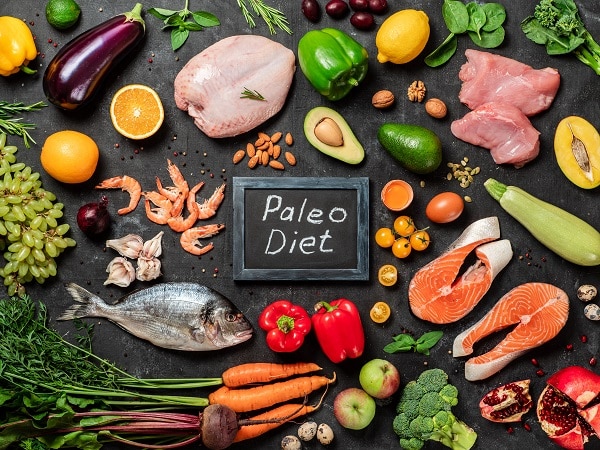
The Paleo diet, often heralded for its whole-food approach, encourages eating like our Paleolithic ancestors by consuming foods presumed to have been available to them. This means a diet rich in meats, nuts, and fresh produce while eschewing grains, legumes, and dairy. While the focus on unprocessed foods is commendable, the exclusion of entire food groups can lead to a shortfall in essential nutrients such as calcium and fiber. These nutrients are vital for bone health and digestive function, and their absence can have detrimental effects over time.
Additionally, the Paleo diet’s heavy reliance on meat raises questions about its sustainability and its potential impact on heart health due to high saturated fat intake. While lean meats can be part of a healthy diet, the quantity and type of meat consumed in a typical Paleo diet may elevate the risk of heart disease. Furthermore, the diet’s restrictions can make it difficult for followers to maintain this eating pattern long-term, potentially leading to yo-yo dieting and its associated health risks.
Meal Replacement Downsides

Meal replacements, such as shakes and bars, are often marketed as convenient solutions for weight loss. They provide a controlled portion of calories and nutrients, which can help reduce the guesswork involved in dieting. However, reliance on these products can lead to a disconnection from the experience of eating real food, which includes the preparation, flavors, and social aspects of mealtime. This detachment can have unforeseen psychological effects, potentially disrupting one’s relationship with food and eating behaviors.
Nutritionally, meal replacements can be less satisfying than whole foods, leading to increased hunger and the potential for overeating later. They may also lack the variety of nutrients found in a balanced diet, which can result in deficiencies over time. While they can be a helpful tool for short-term weight loss, meal replacements are not a sustainable solution for long-term health and can lead to a cycle of weight loss and gain, further complicating one’s health journey.