
Nerve Damage

Plastic surgery is becoming increasingly popular, but it’s essential to be aware of the risks involved. One potential complication is nerve damage, which can occur when the nerves are cut or damaged during the surgery, leading to numbness, tingling, or weakness in the affected area. In some cases, nerve damage can be temporary and resolved independently. However, in other cases, it can be permanent, which is why it’s so important to consult with a qualified plastic surgeon with experience performing the procedure you’re interested in. By researching and choosing a reputable surgeon, you can help reduce your risk of complications, including nerve damage.
Hematoma

Hematoma is a common complication associated with plastic surgery. It occurs when blood leaks from the vessels and accumulates in the tissue, which can cause pain, swelling, and bruising. In severe cases, it can lead to tissue death and infection. Hematoma is most likely to occur during liposuction, breast augmentation, and tummy tucks. However, it can also occur after surgery that involves cutting or puncturing the skin. Following your surgeon’s instructions for postoperative care is essential to reduce the risk of hematoma, which includes wearing compression garments, avoiding strenuous activity, and keeping the incision site clean and dry. Contact your surgeon immediately if you develop any signs or symptoms of hematoma, such as increased pain or swelling. With prompt treatment, most hematomas can resolve without lasting effects.
Blood Clots
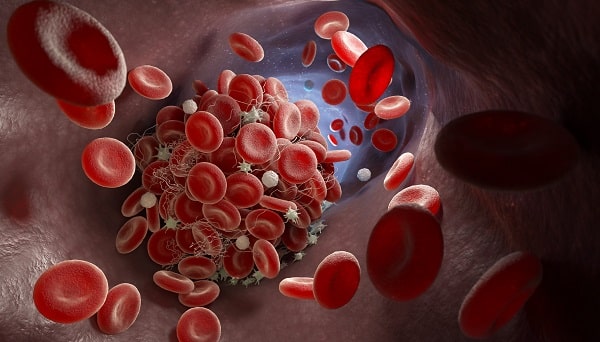
Plastic surgery is a popular way to improve one’s appearance, but it is essential to be aware of the risks involved. One such risk is the formation of blood clots. Blood clots can occur when the blood flow is slowed or disrupted, and they can be potentially life-threatening if they block vital arteries. Unfortunately, plastic surgery procedures often involve tourniquets and other devices that can slow blood flow. In addition, patients often lie still for long periods during surgery, which can further increase the risk of blood clot formation. For these reasons, it is essential to be aware of plastic surgery’s potential risks and consult with a doctor beforehand to ensure that the procedure is safe.
Death

Most people think of plastic surgery as a safe procedure with minimal risks. However, like any other surgery, plastic surgery carries the risk of death. Studies have shown that the risk of death from plastic surgery is about 1 in 10,000. While this may seem like a small number, it is essential to remember that plastic surgery is often elective, and you can avoid it altogether. For those who choose to undergo plastic surgery, it is essential to consult with a Board Certified Plastic Surgeon and ensure that the surgeon has experience in the procedure. Additionally, patients should ensure they are healthy enough to undergo surgery and have realistic expectations for their results. By taking these precautions, patients can help minimize their risk of complications and ensure a safe and successful surgery.
Should You Get Plastic Surgery?
Getting plastic surgery has pros and cons that you should consider before making the decision. The risks of getting plastic surgery include poor cosmetic outcomes, nerve damage, hematoma, blood clots, and death; however, taking precautions and being informed can minimize the risks. You should consult a board-certified Plastic Surgeon to help you decide whether or not plastic surgery is right for you.