
The Vicious Cycle: Poor Sleep And Lifestyle Choices

Sleep deprivation often leads to a cycle of poor lifestyle choices, exacerbating its negative effects. When tired, people are more likely to crave and consume high-calorie, unhealthy foods, contributing to weight gain and health issues like obesity and diabetes. This preference for unhealthy food is partly due to hormonal imbalances caused by lack of sleep, which disrupts appetite regulation.
Furthermore, exhaustion reduces motivation for physical activity, leading to a sedentary lifestyle that further impacts health. The reliance on stimulants like caffeine and alcohol to combat tiredness also disrupts natural sleep patterns, creating a cycle of dependency that can be hard to break. This cycle of poor sleep and unhealthy lifestyle choices highlights the importance of addressing sleep issues as part of a holistic approach to health and well-being.
Sleep Deprivation In The Digital Age
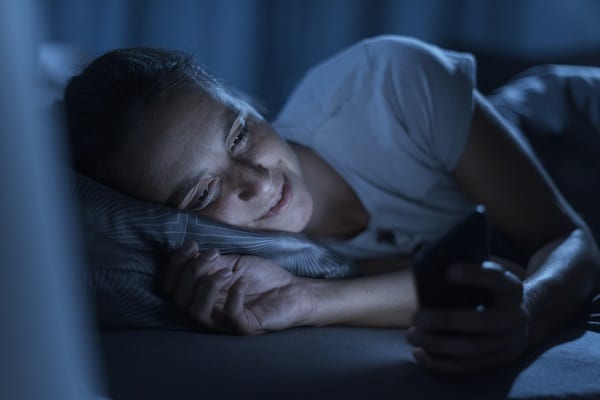
The advent of digital technology has introduced new challenges to achieving quality sleep. The blue light emitted by screens can significantly disrupt the body’s natural sleep-wake cycle, making it harder to fall asleep and affecting the quality of sleep. This is particularly concerning given the widespread use of smartphones, tablets, and computers in the hours leading up to bedtime.
Additionally, the constant connectivity and the habit of scrolling through social media or binge-watching shows can lead to later bedtimes and reduced sleep duration. The stress and anxiety caused by an always-on digital culture further exacerbate sleep issues. Recognizing and mitigating the impact of digital habits is crucial for improving sleep quality in the modern age.
Vulnerable Groups: Who Is Most At Risk?
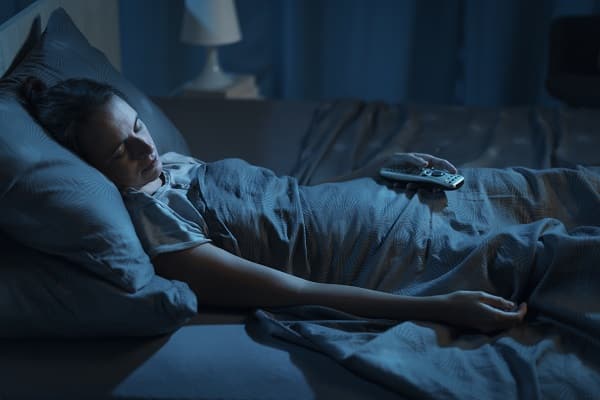
Certain groups are more vulnerable to the effects of sleep deprivation, and understanding these risks is key to addressing the issue effectively. Teenagers and young adults, for instance, often experience erratic sleep patterns due to academic pressures and social engagements, coupled with biological shifts in their sleep-wake cycles. This age group is at a critical stage of development, making adequate sleep essential for their physical and mental health.
Shift workers and individuals with irregular work hours face challenges in maintaining consistent sleep patterns, increasing their risk of sleep-related health issues. Parents of young children and caregivers also frequently experience disrupted sleep, impacting their overall health and ability to provide care. Recognizing the specific challenges faced by these groups can lead to targeted strategies to improve sleep and reduce associated risks.
Prevention And Management: Steps To Better Sleep
Preventing and managing sleep deprivation involves a combination of lifestyle adjustments and proactive strategies. Establishing a regular sleep schedule is crucial, as it helps regulate the body’s internal clock and improves sleep quality. Creating a sleep-conducive environment, free from noise and light disturbances, and maintaining a comfortable temperature can also significantly enhance sleep.
Incorporating relaxation techniques, such as meditation or deep breathing exercises, can help in winding down before bedtime, making it easier to fall asleep. Limiting screen time and exposure to blue light in the evening is another crucial step. For those who continue to struggle with sleep, seeking professional help can be beneficial. When implemented consistently, these steps can lead to significant improvements in sleep quality and overall health.
Make Restful Nights Your New Reality
The dangers of sleep deprivation extend far beyond mere tiredness, impacting mental, emotional, and physical health. This article has highlighted the critical need to prioritize sleep as a key component of overall well-being. It’s time to take action: assess your sleep habits, make necessary changes, and seek professional advice if needed. Remember, improving your sleep is not just about avoiding negative consequences; it’s about enhancing the quality of your life. Start your journey towards better sleep today.