
Delving into the world of herbs opens up a panorama of natural remedies and health benefits. For centuries, various cultures have harnessed the power of herbs to enhance well-being and treat ailments. This exploration is not just about adding flavor to dishes; it’s a journey towards understanding how these natural wonders can significantly improve life quality. From boosting brain health to soothing the digestive system, the potential of herbs is vast and often underappreciated. This post aims to shed light on some of the different herbs that can improve your life and how they can be seamlessly integrated into your day for better health and wellness.
Exploring The Benefits Of Herbs
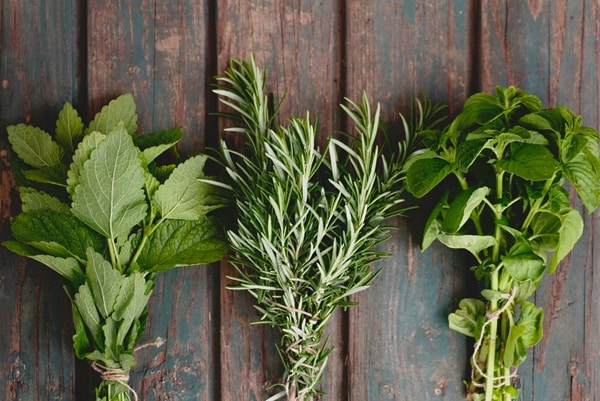
Herbs are more than just kitchen staples; they are nature’s toolkit for enhancing health. When herbs interact with the body, they do so in a way that can support various bodily functions, from digestion to cognitive processes. The active compounds in herbs, such as antioxidants, vitamins, and minerals, play a crucial role in their therapeutic effects. For instance, the anti-inflammatory properties of certain herbs can help in managing chronic conditions like arthritis, while others might boost the immune system or improve mental clarity.
Understanding the distinction between culinary and medicinal herbs is crucial. While all herbs have some health benefits, medicinal herbs are specifically recognized for their healing properties and are often used in larger quantities or in extract form. However, it’s essential to approach herbal remedies with caution. Not all herbs are suitable for everyone, and some can interact with medications or have side effects. Therefore, consulting with a healthcare provider before starting any herbal regimen is essential, especially for those with existing health conditions or those who are pregnant or breastfeeding. However, if the necessary precautions are taken, the following herbs can provide significant benefits for overall well-being.
Turmeric: The Golden Spice

Turmeric, often referred to as the golden spice, is renowned for its vibrant color and health benefits. The primary compound in turmeric, curcumin, is a potent antioxidant with powerful anti-inflammatory properties. This makes turmeric an excellent choice for combating inflammation-related conditions like arthritis and heart disease. Additionally, curcumin has been shown to support brain health, potentially lowering the risk of brain diseases and improving mood.
Incorporating turmeric into daily life is surprisingly simple. It can be added to a variety of dishes, from curries to smoothies, for an extra health boost. However, to enhance its absorption, it’s beneficial to pair turmeric with black pepper, which contains piperine, a compound that increases curcumin’s bioavailability. For those not fond of its flavor, turmeric supplements are an alternative. However, it’s important to choose high-quality products and discuss them with a healthcare provider before starting any supplement regimen.
Lavender: The Soothing Herb
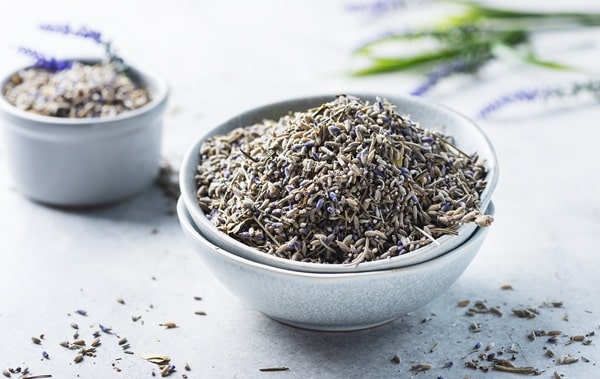
Lavender is celebrated for its soothing and calming effects, making it a popular choice for stress relief and relaxation. Its gentle fragrance and compounds have been found to aid in reducing anxiety, improving sleep quality, and even offering mild pain relief. The use of lavender in aromatherapy is particularly effective for creating a tranquil environment, promoting relaxation, and aiding in better sleep.
The versatility of lavender extends beyond its aromatic qualities. It can be used in various forms, such as essential oils, dried flowers, or infused in teas. Lavender oil is particularly beneficial for skin health, helping to soothe irritation and promote healing. When used in tea, lavender can help calm the mind and ease digestive discomfort. For those interested in DIY skincare, incorporating lavender into homemade lotions or bath salts can provide a therapeutic and nourishing experience.
Ginger: The Digestive Aid

Ginger, a root known for its distinctive flavor and health properties, is particularly effective in aiding digestion. It has been used for centuries to alleviate gastrointestinal discomfort, reduce nausea, and promote healthy digestion. The active compounds in ginger, such as gingerol, have anti-inflammatory and antioxidant effects, contributing to its digestive benefits.
One of the most well-known uses of ginger is in the treatment of nausea, including motion sickness and morning sickness during pregnancy. It works by soothing the digestive tract and can be consumed in various forms, such as fresh, dried, or as a tea. Adding ginger to meals not only enhances flavor but also aids in the digestive process. For those who prefer a more direct approach, ginger supplements are available, but it’s important to consult a healthcare provider before starting any new supplement, especially during pregnancy.