Prevention and Control Measures

To tackle the issue of antibiotic resistance, a multifaceted approach is required. On the healthcare front, there is a pressing need for more judicious use of antibiotics. This involves prescribing antibiotics only when necessary and ensuring patients understand the importance of completing their prescribed courses. Hospitals and healthcare facilities must implement stringent infection control measures to prevent the spread of resistant bacteria. This includes regular hand washing, sterilization of medical equipment, and isolation of patients with resistant infections.
Public health initiatives are equally important in this battle. Vaccination is crucial in reducing the need for antibiotics by preventing bacterial infections. Public awareness campaigns are vital in educating the public about the dangers of antibiotic misuse and the importance of following medical guidance. Additionally, efforts to develop and implement rapid diagnostic tests can aid inappropriately using antibiotics, ensuring they are used only when necessary.
The Future of Antibiotics
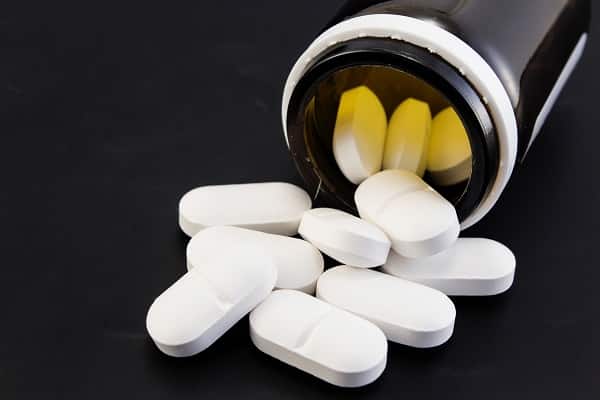
Looking forward, the future of antibiotics hinges on the development of new drugs and alternative treatment methods. The scientific community is actively engaged in research to discover new antibiotics that can overcome existing resistances. However, this process is slow and challenging, with few new antibiotics making it to the market. There is a growing interest in alternative approaches such as bacteriophage therapy, which uses viruses to target bacteria, and the exploration of natural compounds with antimicrobial properties.
Global strategies that incentivize the research and development of new antibiotics are critical. These strategies might include funding, streamlined regulatory processes, and extended patent protections. Additionally, international agreements and policies are necessary to regulate the use of antibiotics worldwide, ensuring a coordinated response to this global threat. This includes efforts to improve surveillance of antibiotic use and resistance patterns, facilitating the sharing of data and best practices among nations.
Personal Responsibility and Action

The fight against antibiotic resistance is not just limited to healthcare professionals and policymakers; it also requires active participation from individuals. Every person can contribute to this battle by using antibiotics responsibly. This means taking antibiotics only when prescribed by a healthcare professional, strictly adhering to the prescribed course, avoiding self-medication, and resisting the urge to pressure doctors for antibiotics when unnecessary.
Moreover, individuals can help prevent infections in the first place by maintaining good hygiene practices, such as regular hand washing, safe food handling, and staying up to date with vaccinations. Educating oneself and others about the risks of antibiotic resistance and advocating for responsible use of antibiotics in their communities are also important steps. Consumers can also influence the market by choosing products from sources that use antibiotics responsibly, particularly in the context of meat and dairy products.
The Bottom Line
In conclusion, the alarming rise of antibiotic resistance is a multifaceted problem requiring a comprehensive and collaborative approach. It challenges the very foundation of modern medicine and poses a grave threat to public health worldwide. Addressing this issue calls for a concerted effort from healthcare professionals, policymakers, scientists, and individuals alike. The tide of antibiotic resistance can be stemmed through judicious use of antibiotics, robust public health initiatives, innovative research, and international cooperation. Each individual must recognize their role in this fight and take active steps toward preserving the efficacy of these vital medications. The future of healthcare and the effectiveness of antibiotics in combating infectious diseases hinges on our collective actions today.