The liver, a vital organ in the human body, performs essential functions such as detoxifying harmful substances, aiding digestion, and storing energy. Early recognition of liver damage symptoms is paramount, as timely intervention can prevent serious health complications. This article delves into the common symptoms associated with liver damage, providing an insightful guide to understanding and identifying these warning signs. Each symptom is discussed in detail to comprehensively understand what the body might be signaling.
Contents
Jaundice: Yellowing of the Skin and Eyes
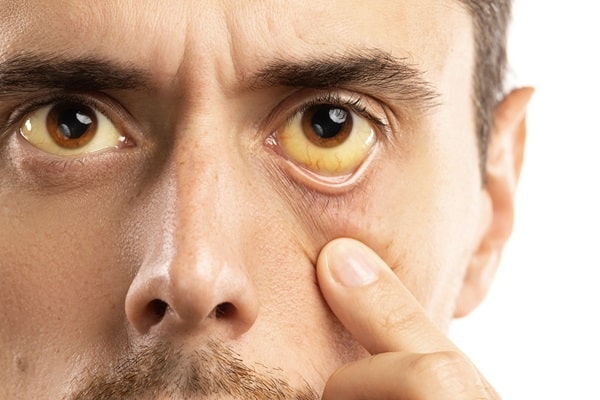
Jaundice is often one of the most noticeable signs of liver damage. It manifests as a distinct yellowing of the skin and the whites of the eyes, caused by an accumulation of bilirubin, a yellow pigment produced during the breakdown of red blood cells. The liver’s inability to process and remove bilirubin effectively leads to this discoloration. This symptom is not only indicative of liver damage but can also signal underlying health issues requiring immediate medical attention.
Jaundice can vary in intensity and is often accompanied by other symptoms such as dark urine and pale stool. Its appearance can be a critical indicator of the liver’s deteriorating condition. It is crucial for individuals noticing such changes to seek medical advice, as jaundice can be associated with various liver conditions, ranging from hepatitis to cirrhosis and liver cancer.
Abdominal Pain and Swelling
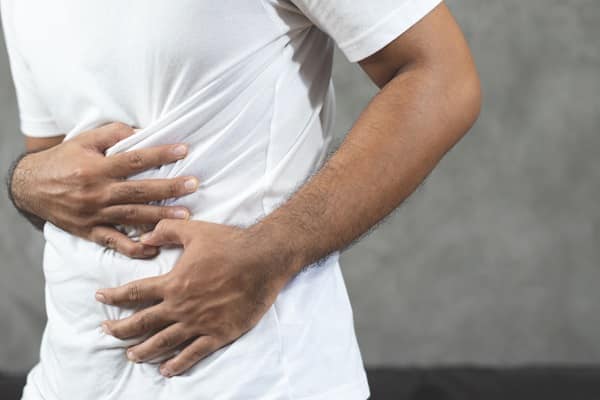
Abdominal pain and swelling are common symptoms of liver damage, often indicative of serious liver conditions. The pain usually manifests in the upper right of the abdomen, sometimes radiating to the back or shoulder. This discomfort can range from a dull ache to severe pain and is often a sign that the liver is enlarged or inflamed. In some cases, the swelling, known as ascites, results from fluid accumulation in the abdomen, further indicating liver dysfunction.
The severity and nature of abdominal pain and swelling can vary based on the underlying cause of liver damage. It’s essential for individuals experiencing these symptoms to consult with healthcare professionals for proper diagnosis and treatment. Neglecting such symptoms can lead to complications, making early detection and management critical.
Itchy Skin

Itchy skin, medically known as pruritus, can be a less-known yet significant symptom of liver damage. It often presents without any visible rash and is caused by the accumulation of bile salts and other substances in the bloodstream that the damaged liver fails to filter out. This symptom can be particularly bothersome and may worsen at night or in warm conditions.
The intensity of itchiness can vary and is sometimes accompanied by other liver damage symptoms such as jaundice. While itchy skin can result from various conditions, its persistence should prompt medical evaluation, especially with other liver-related symptoms. Treating the underlying liver condition often alleviates this discomfort.
Dark Urine Color
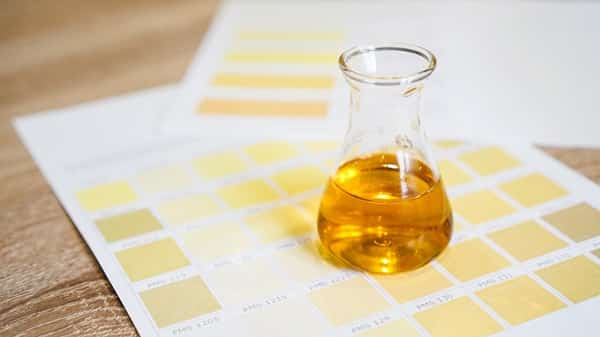
Changes in urine color, particularly to a darker shade, can be an early indicator of liver damage. This symptom is often caused by increased bilirubin in the urine, a consequence of the liver’s reduced ability to process and excrete this substance. Dark urine might appear brown, amber, or orange and is usually more noticeable in the morning.
While dark urine can result from factors such as dehydration or dietary choices, its persistence is a cause for concern. It is particularly significant when accompanied by light-colored stool and jaundice, signaling a possible liver issue. Individuals noticing these changes should seek medical advice to determine the underlying cause and receive appropriate treatment.