Microwaves have become an indispensable part of modern kitchens, revolutionizing how you cook and reheat food. This article will delve into smart microwaving, exploring its advantages, techniques, and tips to enhance your microwave cooking experience. Smart microwaving goes beyond simply heating leftovers; it involves understanding your microwave, utilizing advanced features, and adopting cooking techniques that preserve nutrients and flavor. By the end of this guide, you’ll have the knowledge and confidence to make the most of your microwave and enjoy delicious meals easily.
Contents
Understanding Your Microwave
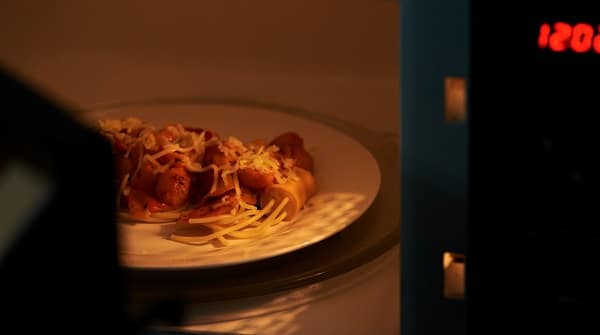
To effectively utilize your microwave, it’s essential to understand how it works. Microwaves use electromagnetic waves to agitate water molecules in food, generating heat that cooks the food. Familiarize yourself with the different parts of your microwave, such as the control panel, turntable, and vent. Knowing your microwave’s wattage is also crucial since it determines the cooking time required for different dishes.
Microwave-Safe Materials
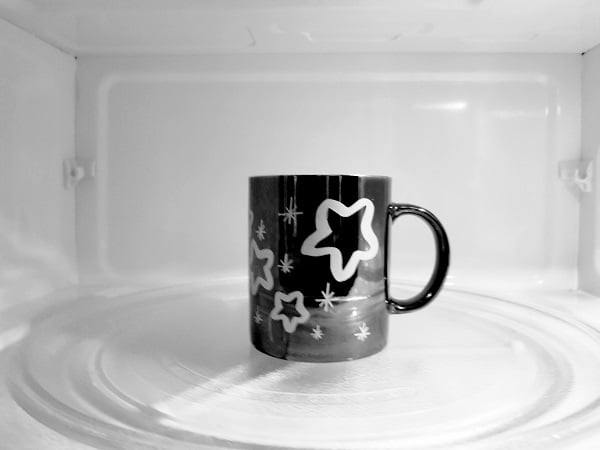
Using the right materials is vital for safe and efficient microwave cooking. Look for products labeled as “microwave-safe,” indicating they have been tested and deemed suitable for microwaves. Glass and ceramics are excellent choices, as they heat evenly and do not transfer harmful substances to the food. However, avoid using metal or containers with metallic elements, as they can cause sparks and damage the microwave.
Essential Microwave Cooking Techniques
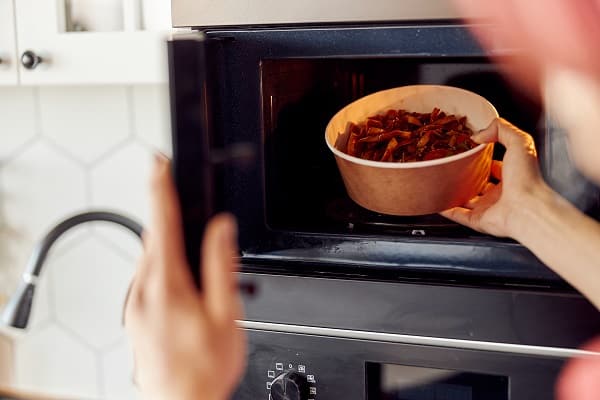
Mastering essential microwave cooking techniques will greatly enhance your culinary endeavors. When thawing or defrosting, use the microwave’s specific settings or low power levels to prevent partial cooking. To ensure even cooking, stir and rotate the food at regular intervals, distributing heat uniformly. Additionally, allow standing time after microwaving to complete the cooking process and achieve optimal texture and flavor. These techniques will help you avoid the common pitfalls of microwave cooking, such as unevenly heated or partially cooked meals.
Smart Microwaving and Nutrition
Contrary to popular belief, smart microwaving can help preserve nutrients in food. Since microwave cooking requires less water and shorter cooking times, it minimizes nutrient loss compared to other methods like boiling or frying. Use minimal water when steaming vegetables or cooking grains to maximize nutrient retention. Cut food into uniform pieces to promote even heating and prevent overcooking. While there have been concerns about microwave radiation and nutrient degradation, current research indicates that microwaves are safe and can retain nutrients effectively.
Advanced Microwave Features and How to Use Them

Modern microwaves offer a range of advanced features designed to simplify cooking tasks. Familiarize yourself with these features to maximize your microwave’s capabilities. Common presets like defrost, popcorn, or potato settings are convenient options for quick cooking. However, remember that these presets may not provide optimal food results. Adjust cooking times and power levels to customize the settings for your specific needs. You can achieve more precise and satisfactory cooking results by understanding and utilizing these advanced features.