Skip to content

Side Effects Of Sleeping aids

    Every night, countless individuals turn to sleeping aids to find respite from insomnia and other sleep disturbances. This reliance on pharmaceuticals, over-the-counter drugs, and natural remedies has become a global trend, underscoring the need for awareness about their potential side effects. As sleep plays a crucial role in overall health and well-being, understanding the ramifications of these aids is paramount. This post aims to shed light on the various side effects associated with sleeping aids, guiding readers through the immediate and long-term impacts while emphasizing the importance of informed usage and consultation with healthcare professionals.

    An Overview Of Sleeping Aids

    Sleeping Aids

    Sleeping aids, ranging from prescription medications to herbal supplements, are designed to facilitate a quicker onset of sleep or prevent nocturnal awakenings. Their mechanisms typically involve altering neurotransmitter activity in the brain, aiming to induce a state of relaxation and drowsiness. While they are a boon for many struggling with sleep disorders, it’s crucial to understand their function to appreciate the scope of their side effects. These aids are not a one-size-fits-all solution, and their effectiveness and risks can vary widely among individuals.

    Despite their popularity, sleeping aids must be approached with caution. They work by engaging with the body’s natural sleep-wake cycles and central nervous system, which can lead to a range of effects, both intended and unintended. Some might interfere with the quality of sleep, reducing the time spent in certain sleep stages, or lead to dependency. As you explore the specific side effects, it becomes clear that a thorough understanding of these products is essential for anyone considering their use.

    Short-Term Side Effects

    Sleeping Aids

    Short-term side effects of sleeping aids can manifest as soon as after the first use. Users often report feelings of grogginess or dizziness upon waking, a direct consequence of the sedative effects intended to induce sleep. Other common experiences include headaches, gastrointestinal disturbances, or allergic reactions, which can vary in intensity from mild to severe. These immediate effects are not only discomforting but can also impair daytime functioning and overall quality of life.

    Moreover, some individuals may experience paradoxical reactions, where instead of feeling sleepy, they become agitated or suffer from sleep disturbances. This can lead to a cycle of increased dosage seeking and exacerbate the risk of side effects. Memory lapses or difficulty concentrating the day after consumption are also reported, impacting one’s ability to perform daily tasks. Recognizing these potential short-term consequences is crucial for anyone considering or currently using sleeping aids.

    Long-Term Side Effects
    Sleeping Aids

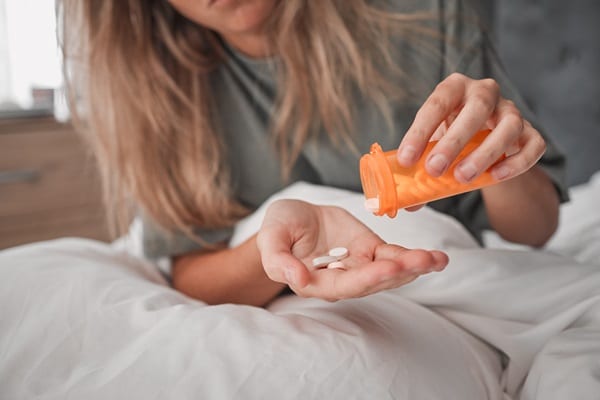
    Prolonged use of sleeping aids isn’t without risks, leading to an array of long-term side effects that can affect one’s health substantially. Dependency is a significant concern, as individuals may find themselves unable to sleep without the aid, leading to increased usage and potential for abuse. Over time, the body may also build a tolerance, necessitating higher doses to achieve the same sedative effect, thereby increasing the risk of adverse reactions.

    Long-term users may also encounter memory impairment, changes in mood or behavior, and a general decrease in cognitive functions. These changes can subtly infiltrate daily life, affecting personal and professional relationships and overall life satisfaction. Additionally, extended use has been linked to an increased risk of certain cancers, heart disease, and respiratory issues, especially in older adults or those with preexisting health conditions. It’s imperative that the long-term implications are carefully considered against the short-term relief provided by these aids.


    Impact on Mental Health

    Sleeping Aids

    The relationship between sleeping aids and mental health is complex and bidirectional. While these aids are often used to alleviate sleep disturbances associated with mental health issues, they can also exacerbate or trigger new psychiatric symptoms. Users might notice an increase in anxiety, depression, or even suicidal thoughts, particularly if the underlying causes of sleep disturbances are not addressed.

    The sedative effects of sleeping aids can blunt emotional responses or lead to a general sense of apathy or disconnection. This can be particularly disconcerting for individuals using these aids to cope with stress or emotional trauma. Furthermore, abrupt discontinuation or irregular use can lead to withdrawal symptoms, including heightened anxiety, panic attacks, or rebound insomnia, creating a vicious cycle of dependency and mental health deterioration.

    Dependency and Withdrawal 

    Sleeping Aids

    Dependency on sleeping aids is a significant risk, particularly with long-term use. As the body becomes accustomed to the drug’s presence, it may stop producing certain neurotransmitters naturally, leading to a reliance on the medication for sleep. This dependency can make quitting or reducing use challenging, as insomnia and other sleep disturbances might return or worsen, a phenomenon known as rebound insomnia. The fear of these withdrawal symptoms often leads individuals to continue using these aids longer than necessary.

    Withdrawal from sleeping aids can be a daunting process, characterized by increased anxiety, agitation, and other physical symptoms like shaking or sweating. The duration and severity of withdrawal vary based on the type of sleeping aid, dosage, and length of use. Users should consult healthcare professionals for a gradual tapering plan to minimize withdrawal symptoms and explore alternative therapies. Recognizing the signs of dependency and understanding the withdrawal process are crucial steps in managing and preventing addiction to sleeping aids.

    Alternatives and Precautions

    Sleeping Aids

    As awareness grows about the risks associated with sleeping aids, many seek safer alternatives. Lifestyle modifications, such as establishing a regular sleep schedule, optimizing the sleep environment, and limiting caffeine and screen time before bed, can significantly improve sleep quality. Cognitive-behavioral therapy for insomnia (CBT-I) is another effective treatment, focusing on changing sleep habits and patterns of thinking that impair sleep. Natural remedies, like melatonin supplements or herbal teas, may also provide relief with fewer side effects, though they should be used judiciously and with professional guidance.

    When using sleeping aids, precautions are necessary to minimize risks. Always start with the lowest effective dose and avoid long-term use unless supervised by a healthcare provider. Be mindful of potential interactions with other medications and alcohol, which can amplify side effects. Regularly review the necessity and effectiveness of the aid with a healthcare professional, and be vigilant about any changes in health or behavior. By taking these precautions and considering alternatives, individuals can make safer choices regarding their sleep health.

    Navigating Safe Usage

    Sleeping Aids

    Using sleeping aids safely requires informed decisions and careful management. Understanding the correct dosage and potential interactions with other medications or substances is vital. Misuse or accidental overdose can lead to severe consequences, so adhering strictly to prescribed guidelines is crucial. Reading labels and consulting with healthcare providers can prevent misuse and ensure that the sleeping aid is still necessary and effective.

    Regular check-ups with a healthcare professional are essential for monitoring the impact of the sleeping aid on overall health. This is particularly important for those with chronic health conditions or those taking other medications. Users should be transparent about all substances they’re taking, including over-the-counter drugs and supplements, to avoid dangerous interactions. Being proactive about safety can prevent many of the adverse effects associated with sleeping aids, allowing for better sleep and overall health. Making informed choices and understanding the responsibilities of safe usage are paramount for anyone considering or currently using sleeping aids.

    Uncover The Secrets To Safe Sleep

    In navigating the world of sleeping aids, awareness and caution are your best allies. While they offer relief for many, understanding and respecting their potential side effects is crucial for your health and well-being. Consult with healthcare professionals, consider safer alternatives, and always prioritize informed careful use. Your journey to better sleep should enhance your life, not complicate it. Let this guide be the first step towards safer, more restorative rest.