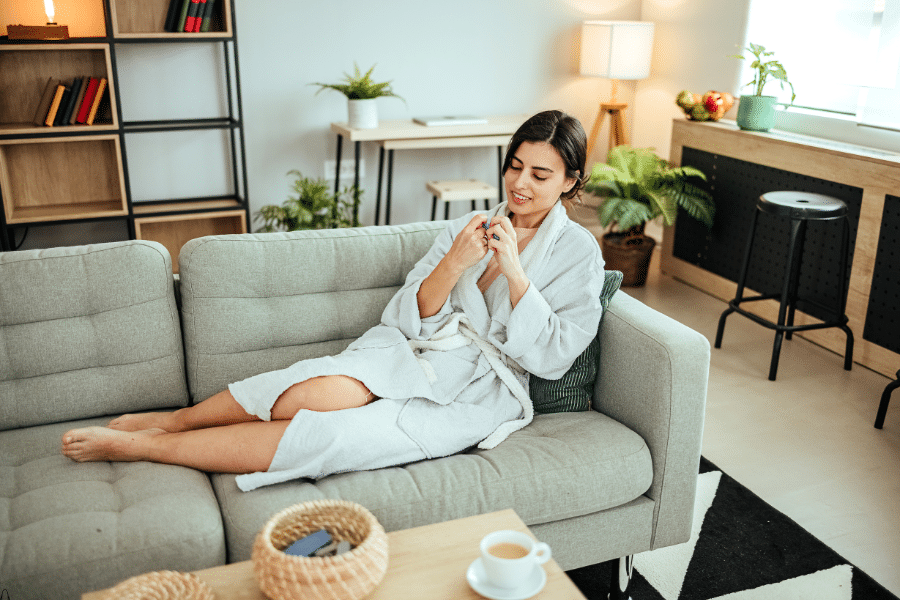
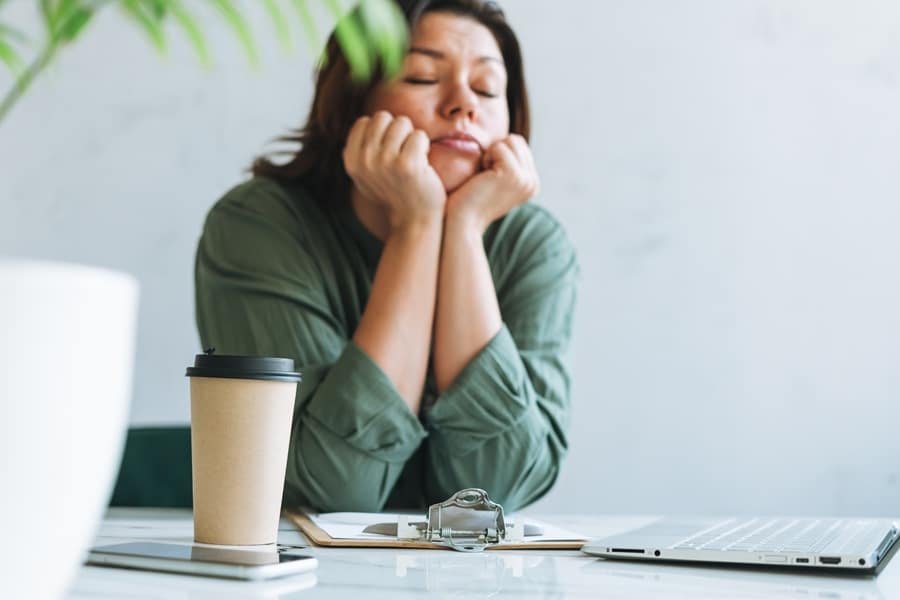
Self-care is essential to maintaining overall well-being, yet it’s often misconstrued as a luxury that demands financial investment. This misconception overlooks the vast array of self-care strategies that are available without any cost. The essence of self-care lies not in expensive spa days or lavish retreats but in simple, everyday practices that nurture the mind, body, and soul. By exploring various free self-care methods, individuals can discover effective ways to relieve stress, improve mental health, and enhance their quality of life without straining their budget. This article delves into a range of such strategies, offering insights into embracing self-care as a regular, cost-free part of their routine.
Contents
Embracing Nature’s Healing Powers

The therapeutic effects of immersing oneself in nature are profound and well-recognized. A simple walk in the park, a quiet moment in a garden, or an adventurous hike can significantly uplift one’s mood and mental state. Nature’s tranquility offers a serene backdrop that helps reduce stress and anxiety. Moreover, exposure to sunlight provides essential Vitamin D, which plays a crucial role in mood regulation and overall health. Engaging with nature requires no special equipment or memberships; it’s readily accessible and a powerful, free tool in one’s self-care arsenal.
In today’s fast-paced world, finding time to connect with nature can be a grounding experience. Whether observing the subtle changes of seasons, listening to birds chirping, or feeling the breeze on one’s skin, these simple acts foster a deep sense of peace and well-being. Regularly spending time outdoors can lead to long-term benefits for mental health, making it a key element in the self-care routine of anyone looking to enhance their emotional resilience and find calm in the chaos of daily life.
Mindfulness and Meditation
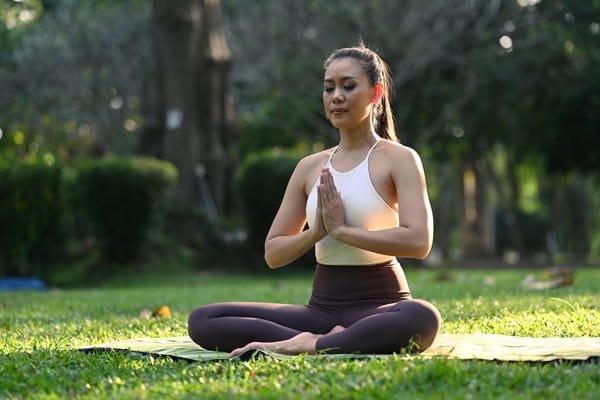
Mindfulness and meditation are pillars of self-care that have gained widespread recognition for enhancing mental and emotional well-being. These practices involve focusing on the present moment and cultivating an awareness of one’s thoughts and feelings without judgment. This heightened awareness can significantly reduce stress and anxiety, improving mental clarity and emotional balance. Meditation, in its simplest form, can be practiced anywhere and requires no special tools or environments. It’s about finding a quiet space to sit in stillness and breathe, even if it’s just a few minutes each day.
The benefits of regular mindfulness and meditation are vast. They include improved concentration, reduced symptoms of anxiety and depression, and a greater sense of peace and contentment. For beginners, numerous free resources are available, including guided meditation apps, online videos, and instructional articles. By incorporating mindfulness and meditation into daily life, individuals can create a powerful self-care routine that nurtures the mind and provides a sanctuary of calm amidst the hustle and bustle of everyday life.
The Art of Journaling

Journaling stands as a powerful yet often underrated self-care practice. It offers a private space for self-expression, reflection, and emotional release. Through journaling, individuals can explore their thoughts and feelings, documenting their experiences and insights. This practice serves as a tool for self-discovery and personal growth, allowing one to process emotions and clarify thoughts. Whether through gratitude journaling, daily reflections, or creative writing, putting pen to paper is a therapeutic process that fosters a deeper understanding of oneself and one’s experiences.
Moreover, journaling can help in managing stress and anxiety. It provides a constructive way to navigate life’s challenges, serving as a personal, confidential outlet for expressing fears, hopes, and dreams. The beauty of journaling lies in its simplicity and accessibility; all it requires is a notebook and a few moments of one’s day. By making journaling a regular practice, individuals can cultivate a habit that supports their mental health and enhances their overall sense of well-being.
Physical Exercise as a Self-Care Tool

Physical exercise is a cornerstone of self-care, offering numerous mental and physical benefits. Engaging in regular physical activity is not only crucial for maintaining physical health but also plays a significant role in improving mental health. Exercise releases endorphins, natural mood lifters that can reduce stress and anxiety. Free exercise options range from home workouts and running to yoga and body-weight exercises. These activities do not require expensive equipment or gym memberships, making them accessible to everyone.
Balancing an exercise routine with daily life can be challenging, but the key is finding enjoyable and sustainable activities. Whether it’s a morning jog, a yoga session during lunch breaks, or a dance workout at home, incorporating physical activity into one’s routine can be fun and rewarding. Consistent exercise enhances physical fitness and provides a sense of accomplishment and confidence, making it an invaluable component of a holistic self-care program. By prioritizing movement and recognizing it as self-care, individuals can improve their well-being and foster a healthier, more balanced lifestyle.
Building a Supportive Community

The role of social connections in self-care cannot be overstated. Building a supportive community is essential for emotional health and resilience. This involves nurturing relationships with family, friends, and peers who provide understanding, empathy, and encouragement. Regular check-ins, whether in person or via digital platforms, help maintain these connections and provide a sense of belonging. Additionally, joining community groups or clubs based on shared interests can expand one’s social network and offer new avenues for support and friendship.
In the digital age, virtual communities have also become a vital resource for finding support and connection. Online forums, social media groups, and virtual meetups provide platforms for individuals to connect with others who share similar experiences or interests. These online spaces can offer a sense of community and understanding, particularly for those who feel physically isolated. Building and maintaining a supportive offline and online community is a key self-care strategy that fosters emotional well-being and a sense of connectedness.
Creative Outlets for Emotional Release
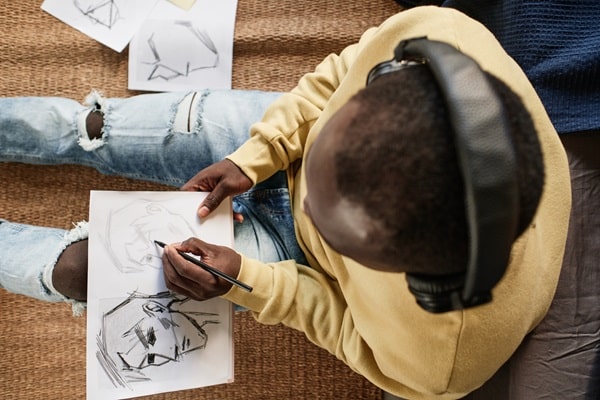
Engaging in creative activities is an effective way to practice self-care. Creative expression, whether through drawing, DIY crafts, cooking, writing, or playing music, provides an outlet for emotions and thoughts that might be difficult to articulate. These activities can serve as therapy, allowing individuals to explore and express their feelings nonverbally. Regardless of the outcome, creating something can be immensely satisfying and therapeutic.
The psychological benefits of creativity include reduced stress and anxiety, improved mood, and a sense of accomplishment. Creative tasks can also serve as a distraction, providing a break from the stresses of daily life. The best part about these activities is that they often require minimal resources and can be adapted to suit one’s interests and skills. Encouraging creativity as part of a self-care routine allows individuals to explore new forms of expression and find joy in the simple act of making.
The Bottom Line
In conclusion, self-care is a multifaceted practice that encompasses a range of activities, all aimed at nurturing the mind, body, and soul. From embracing the healing powers of nature and the arts to building supportive communities and prioritizing sleep, these strategies highlight the diverse ways in which individuals can care for themselves without imposing any financial cost. Integrating these practices into daily life cannot be overstated, as they collectively contribute to improved mental health, emotional resilience, and overall well-being. By adopting these free self-care strategies, one can embark on a journey of personal growth and self-discovery, ultimately leading to a more balanced, fulfilling life. Remember, self-care is not a luxury but a necessity, and it is within everyone’s reach, regardless of their circumstances.