Eating disorders, encompassing conditions like anorexia, bulimia, and binge eating disorder, present a complex interplay of psychological, biological, and environmental factors. These disorders are more than just about food; they’re deeply rooted in issues of control, self-esteem, and coping mechanisms. The journey to recovery is multifaceted, involving recognition, treatment, and ongoing support. This article aims to illuminate these pathways, offering insights into how individuals can overcome these challenging disorders. It underscores the importance of awareness, professional guidance, and the relentless pursuit of a healthier relationship with food and oneself.
Contents
Understanding Eating Disorders
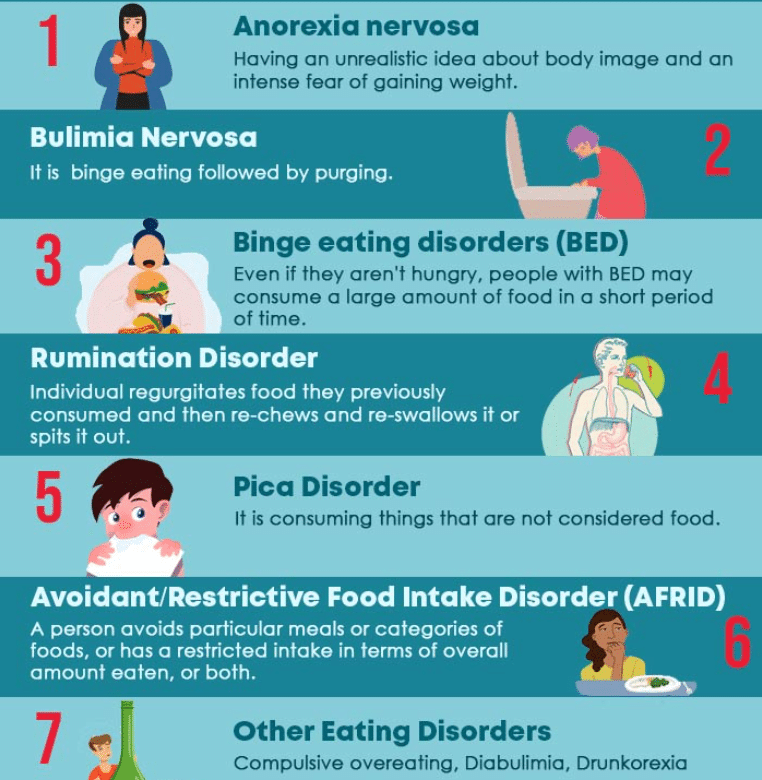
Eating disorders are serious and often life-threatening conditions that affect a person’s emotional and physical health. They are characterized by an obsession with food, body weight, and shape, leading to dangerous eating behaviors. These disorders can stem from various causes, including genetic, psychological, and sociocultural factors. Anorexia Nervosa, Bulimia Nervosa, and Binge Eating Disorder are the most common forms. Each of these disorders manifests differently but shares the common trait of severe disturbances in eating behavior and related thoughts and emotions.
The impact of eating disorders goes beyond physical health concerns. They are often accompanied by a distorted self-image and an intense fear of gaining weight, which can lead to severe anxiety and depression. Individuals suffering from these conditions often go to great lengths to hide their behavior, making diagnosis and treatment challenging. It’s crucial to understand that these disorders are not choices but serious mental health conditions that require professional treatment.
Recognizing the Signs
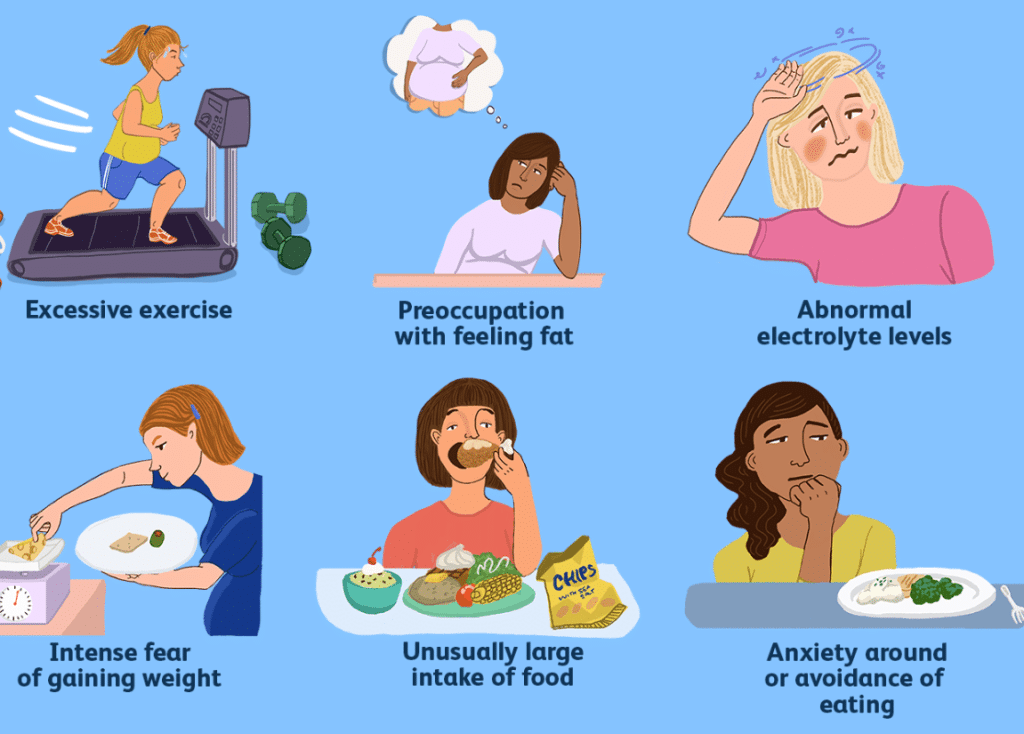
Recognizing the signs of eating disorders is a crucial step toward recovery. Common symptoms include extreme weight loss or gain, obsession with food, calories, and dieting, and frequent checking in the mirror for perceived flaws. Individuals may also engage in ritualistic eating patterns, such as cutting food into tiny pieces, eating alone, and hiding food. These behaviors often stem from a profound dissatisfaction with one’s body image and a desire for control.
Early detection and intervention significantly improve the chances of recovery. Friends and family members play a vital role in noticing these signs and encouraging their loved ones to seek help. It’s important to approach the topic sensitively and supportively, as individuals with eating disorders often experience shame and guilt about their condition. Encouraging open conversations about mental health and body image can help in early detection and intervention.
Seeking Help: First Steps

Taking the first step towards seeking help is often the most challenging. Acknowledging the problem and overcoming the fear and denial associated with eating disorders are significant hurdles. Individuals must be encouraged to recognize the seriousness of their condition and the need for professional help. Consulting a healthcare provider, such as a psychologist, psychiatrist, or dietitian, is crucial in developing an effective treatment plan.
Support from family and friends is invaluable at this stage. They can provide the emotional support and understanding needed to navigate the complex recovery journey. It’s also essential for the individual to understand that recovery is a personal journey and that seeking help is a sign of strength, not weakness.
Treatment Options
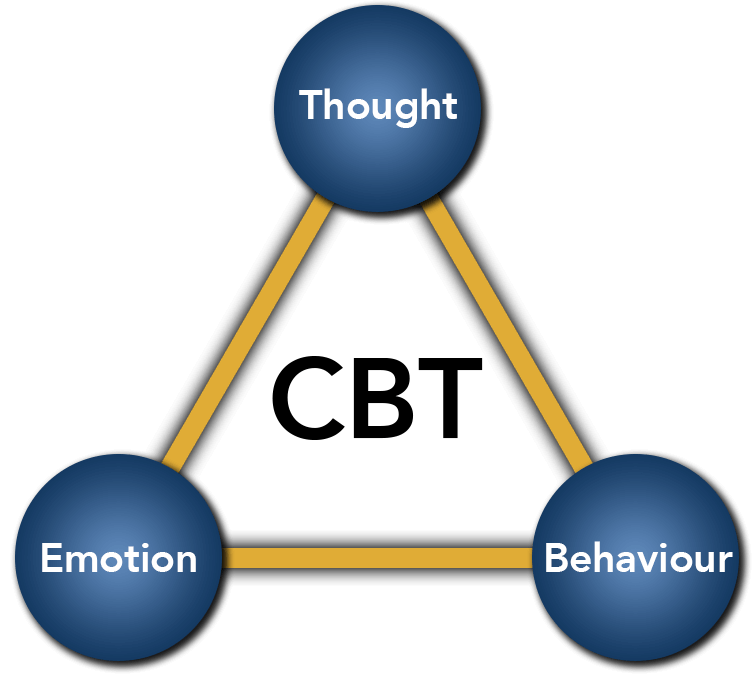
Various treatment options are available for eating disorders, and the approach depends on the individual’s specific needs and condition. Psychotherapy, such as cognitive-behavioral therapy (CBT), is often effective in treating eating disorders by addressing the underlying emotional and cognitive issues. Medications may also be prescribed to manage symptoms of depression or anxiety that often accompany these disorders.
Nutritional counseling is another crucial component of treatment. It involves working with a dietitian to develop a balanced meal plan, correct misconceptions about food, and establish healthy eating habits. The goal is to normalize eating patterns and promote a healthier relationship with food. Treatment plans are typically multidisciplinary, involving a team of healthcare professionals to address the various aspects of the disorder.