Developing a Positive Relationship with Food

Rebuilding a positive relationship with food is a critical aspect of recovery from eating disorders. This involves learning to view food as nourishment rather than a source of anxiety or guilt. Nutritional education plays a significant role here, helping individuals understand the importance of a balanced diet and how different foods affect their bodies and overall health.
Mindful eating strategies can also be beneficial. They involve paying attention to hunger and fullness cues, eating without distraction, and appreciating the sensory experiences of eating. This approach helps individuals break the cycle of emotional eating and develop a healthier approach to food and eating habits.
Building Self-Esteem and Body Image
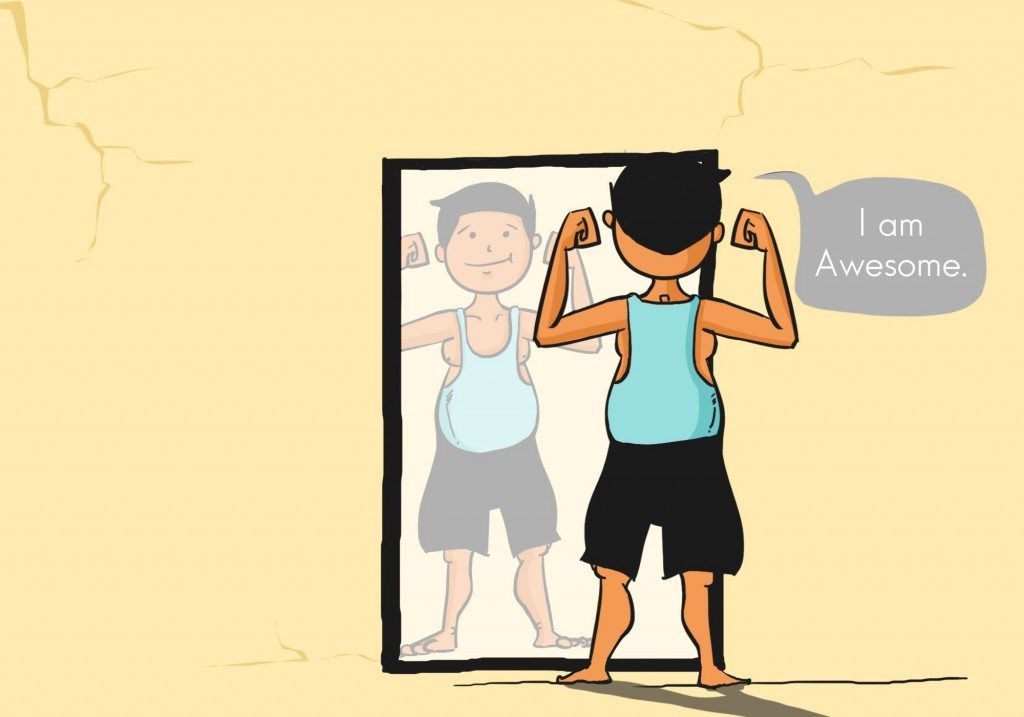
Improving self-esteem and body image is essential in overcoming eating disorders. This involves challenging negative thoughts and beliefs about oneself and one’s body and replacing them with more positive and realistic perceptions. Cognitive-behavioral therapy can be particularly effective in this process, helping to identify and change distorted thought patterns.
Activities that promote self-esteem, such as hobbies, exercise, and social interactions, can also be beneficial. These activities help divert focus from the body to personal skills and achievements, fostering a sense of accomplishment and self-worth. Individuals must learn to appreciate their bodies for what they can do, not just how they look. This shift in perspective is a crucial step towards developing a healthier body image and overall self-esteem.
Ongoing Support and Relapse Prevention

The journey to recovery from an eating disorder is often long and may involve setbacks. Ongoing support from healthcare professionals, family, and friends is crucial. Support groups can also provide a sense of community and understanding, helping individuals feel less isolated in their experiences.
Relapse prevention is an essential component of long-term recovery. It involves identifying triggers that may lead to old patterns of behavior and developing strategies to cope with them. This can include continued therapy, maintaining a routine, and practicing stress-reduction techniques. Individuals need to recognize that recovery is a continuous process and that seeking help during difficult times is a sign of strength.
The Role of Society and Media

Society and media often play a significant role in the development and perpetuation of eating disorders. Unrealistic body standards, promoted through various media channels, can contribute to body dissatisfaction and unhealthy eating behaviors. Raising awareness about the impact of these societal pressures is crucial.
Challenging and changing the narrative around body image and beauty standards in media can have a positive impact on individuals struggling with eating disorders. Promoting diversity in body shapes and sizes and emphasizing health and well-being over appearance can help create a more accepting and supportive environment.
The Bottom Line
Overcoming eating disorders is a challenging but achievable journey. It requires a multifaceted approach involving understanding the disorder, recognizing the signs, seeking help, and exploring various treatment options. Developing a positive relationship with food, building self-esteem, and receiving ongoing support are key to recovery. Society’s role and the need for better resources and awareness are also crucial in this journey. Individuals can overcome these disorders with the right support and treatment and lead healthy, fulfilling lives. The message of hope and resilience is paramount, encouraging those affected to seek the help they need and know that recovery is possible.