
Lack Of Sleep

Sleep is a critical but often overlooked component of weight loss. Adequate sleep regulates hormones that control appetite, like ghrelin and leptin. When sleep-deprived, the body produces more ghrelin, the hormone that signals hunger, and less leptin, the hormone that signals fullness. This imbalance can lead to increased hunger and cravings, particularly for high-calorie, unhealthy foods. Prioritizing sleep is essential for anyone looking to lose weight effectively.
Poor sleep doesn’t just affect appetite; it impacts decision-making and willpower. Tired individuals are more likely to skip workouts and opt for convenient, unhealthy food choices. Establishing a regular sleep schedule, creating a relaxing bedtime routine, and ensuring a comfortable sleep environment can significantly improve sleep quality. This, in turn, can support weight loss efforts and contribute to a healthier lifestyle.
Excessive Calorie Counting
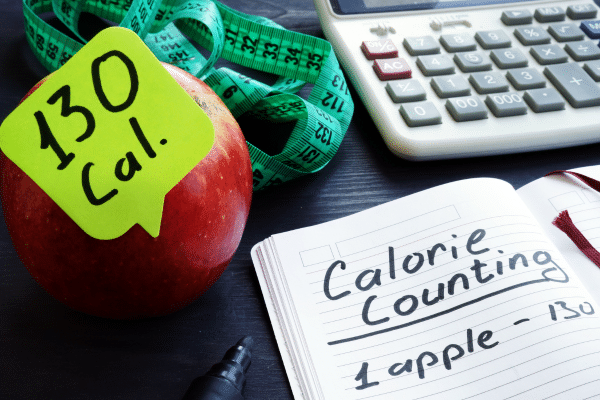
While monitoring calorie intake is important for weight loss, an excessive focus on calories can be counterproductive. This approach often leads to neglecting the nutritional quality of foods. Eating low-calorie but nutrient-poor foods can result in nutritional deficiencies and a lack of energy, making it harder to stick to a weight loss plan. Balancing calorie awareness with a focus on nutritious foods is key to successful weight loss.
Obsessing over every calorie can also lead to an unhealthy relationship with food. It can cause stress and anxiety, which may trigger overeating or the development of eating disorders. A more sustainable approach is to be mindful of portion sizes and the quality of food choices. This method not only aids in weight loss but also promotes a healthier, more enjoyable relationship with food.
Ignoring Cardio

Cardiovascular exercise is another essential component of a successful weight loss plan. It burns calories, improves heart health, and increases overall fitness levels. However, many neglect cardio, focusing solely on diet or strength training. A balanced approach that includes regular cardio can enhance weight loss and contribute to long-term health.
The benefits of cardio extend beyond the immediate burning of calories. Regular cardiovascular exercise improves the efficiency of the respiratory and circulatory systems. This improved efficiency supports the body’s metabolic processes, enhancing the ability to lose weight and maintain it. Cardio doesn’t have to be monotonous or strenuous; activities like brisk walking, cycling, or swimming can be enjoyable and effective.
Not Staying Hydrated

Hydration is another crucial aspect often overlooked in weight loss plans. Water plays a key role in metabolism and helps in the process of lipolysis, the breakdown of fats. Moreover, thirst is often mistaken for hunger, leading to unnecessary snacking and overeating. Drinking sufficient water throughout the day can help control appetite and support weight loss efforts.
Staying hydrated also assists in the body’s natural detoxification processes. It aids in flushing out waste products, which is particularly important when increasing physical activity or changing dietary habits. In addition, proper hydration can improve physical performance during workouts. Drinking water before, during, and after exercise ensures optimal muscle function and recovery, facilitating a more effective workout.
The Bottom Line
In conclusion, successful weight loss is a multifaceted journey. It’s not just about what is eaten, but also about incorporating a balanced mix of physical activity, proper nutrition, adequate sleep, and hydration. Recognizing and avoiding common mistakes like neglecting protein intake, ignoring strength training and cardio, over-consuming processed foods, underestimating the importance of sleep, obsessing over calories, and not staying hydrated can make a significant difference. By addressing these aspects, weight loss becomes not only achievable but also a sustainable part of a healthier lifestyle.