
Weight loss is a journey fraught with challenges and misconceptions. One of the key aspects of successful weight loss is understanding what not to do. This blog post delves into common errors that can derail progress. From dietary choices to exercise habits, it’s crucial to recognize these pitfalls. Awareness and correct knowledge can significantly influence the journey toward a healthier, fitter self, making weight loss not just a goal but a sustainable lifestyle change.
Not Consuming Enough Protein

Protein plays a pivotal role in weight loss. It boosts metabolism, builds muscle, and induces satiety, reducing overall calorie intake. However, many diets fall short in this essential nutrient. Without adequate protein, the body struggles to repair and build muscle, especially after exercise. This can lead to muscle loss, slowing down metabolism. For effective weight loss, it’s essential to include a variety of protein sources in every meal, such as lean meats, dairy, legumes, and nuts.
The consequences of protein deficiency extend beyond physical health. Low protein intake can lead to increased hunger and cravings, often resulting in overeating. It’s a common misconception that reducing food intake is the key to weight loss, but without sufficient protein, this strategy can backfire. Balanced meals with ample protein can help manage appetite and prevent the cycle of hunger and overeating. This approach not only aids in weight loss but also supports overall well-being.
Neglecting Strength Training

Many associate weight loss solely with cardio exercises, overlooking the importance of strength training. Strength training, however, is crucial for a well-rounded weight loss strategy. It builds muscle mass, which burns more calories at rest compared to fat. By increasing lean muscle mass, the body becomes more efficient at burning calories, even when not actively exercising. Additionally, strength training enhances body composition, leading to a toned and defined physique, which is often a desired outcome of weight loss.
There’s a common misconception that strength training is only for those who want to “bulk up.” This couldn’t be further from the truth. Incorporating even light to moderate strength training into a fitness routine can significantly boost weight loss efforts. For beginners, starting with bodyweight exercises or light weights is a great way to ease into strength training. The key is consistency and gradually increasing the challenge to continuously stimulate muscle growth and fat loss.
Eating Processed Foods
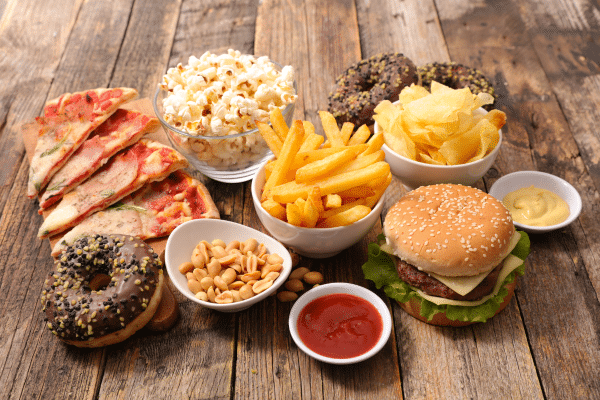
Processed foods are often the hidden culprits in weight loss struggles. These foods, high in calories, unhealthy fats, and sugars, can sabotage weight loss efforts. They lack essential nutrients, leading to a cycle of hunger and overeating. Processed foods are designed to be hyper-palatable, making it easy to consume them in large quantities without feeling satiated. Replacing these with whole, nutrient-dense foods can significantly impact weight loss progress.
The danger of processed foods extends beyond their poor nutritional value. These foods often contain high levels of sodium and preservatives, contributing to water retention and bloating. This can be misleading on the scale and demotivating for those on a weight loss journey. Adopting a diet rich in fruits, vegetables, lean proteins, and whole grains can help avoid these pitfalls. This shift not only aids in weight loss but also improves overall health and well-being.