Water is the elixir of life, yet its purity is often taken for granted. As it journeys from natural sources through a labyrinth of treatment processes and pipelines, numerous factors threaten its sanctity, potentially jeopardizing our health. This article delves into the odyssey of drinking water, from its origins to the tap, unearthing the reality behind its safety. In exploring the intricacies of water treatment, the persistence of contaminants, and the role of regulatory bodies, a clearer picture emerges. The discussion will guide through the paradox of aging infrastructure and the efficacy of home purification systems, juxtaposing bottled water with a tap, and finally, empowering readers with the knowledge to safeguard their water.
Contents
The Journey from Source to Tap
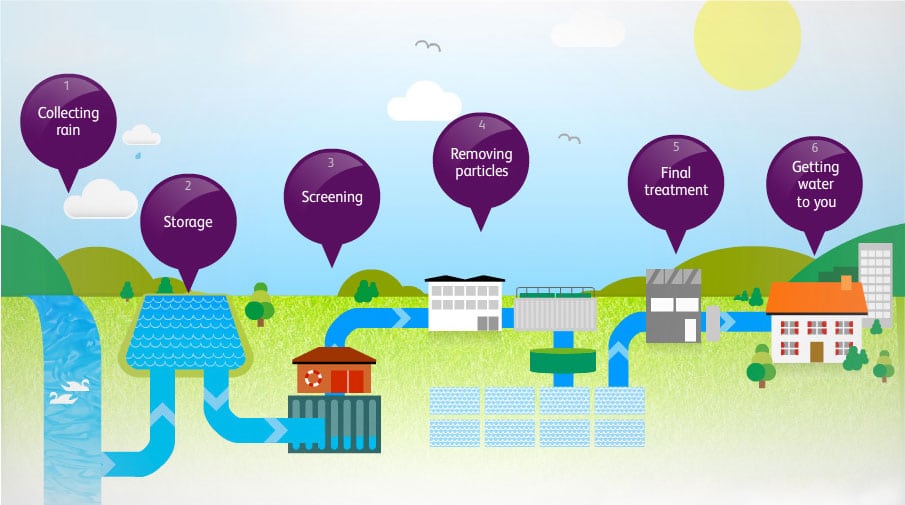
Water’s voyage to your faucet is a marvel of modern engineering, beginning at the source—rivers, lakes, and aquifers. Before it gushes from the tap, it undergoes a rigorous treatment process to eliminate harmful pathogens and impurities. However, this process is not infallible. The water’s trek through miles of pipes can introduce new contaminants, casting doubt on its purity. Aging pipes, corrosion, and breaches in the system can all compromise water quality, silently altering the composition of the seemingly clear liquid that fills our glasses.
Despite municipalities treating water with the intent to meet safety standards, the final quality may not be as consistent as expected. The treatment efficacy can vary due to changing water source conditions, such as heavy rainfall or industrial runoff, which can overwhelm systems. Furthermore, transient failures in treatment facilities or human error can also lead to temporary lapses in water quality. Hence, safety assurance is not absolute but a dynamic state contingent on a series of well-maintained processes.
Common Contaminants in Tap Water

Diving into the spectrum of tap water contaminants unveils an unsettling array of unwelcome substances. Microbial life forms, such as bacteria and viruses, may elude the clutches of chlorination, while chemical contaminants like pesticides and industrial runoff are not always fully neutralized. Even more insidious are the traces of heavy metals like lead and mercury, which can seep into the water supply from old pipes and industrial waste, posing serious health risks over time.
The effects of these contaminants on human health can be as mild as minor gastrointestinal discomfort or as severe as chronic diseases. The risk is higher for certain populations, including infants, the elderly, and individuals with compromised immune systems, making the need for vigilance ever more critical. These invisible adversaries in our water supply can undermine the trust in public water systems, driving the population to seek alternatives or supplemental treatments to ensure safety.
The Role of Government Regulations in Water Safety

Government regulations serve as the bulwark against waterborne risks, setting standards that dictate the acceptable levels of various contaminants. In the United States, the Environmental Protection Agency (EPA) enforces the Safe Drinking Water Act, a comprehensive law that aims to ensure the quality of Americans’ drinking water. But while these regulations are stringent on paper, the reality of their enforcement often falls short. Insufficient resources, political hurdles, and an ever-growing list of emerging contaminants challenge regulatory agencies, leaving gaps that unseen dangers in the water may exploit.
On the other side of regulation is compliance, where water suppliers are tasked with meeting these standards. Despite their efforts, instances of violations are not uncommon. Systemic issues such as funding shortages for infrastructure updates and the vast array of pollutants make absolute compliance a formidable task. This puts into perspective the arduous responsibility of these agencies and the continual need for public vigilance and support for regulatory enhancements.
The Impact of Infrastructure on Water Quality

The intricacies of water infrastructure play a critical role in maintaining the sanctity of our tap water. The pipes that carry water to our homes, often out of sight and mind, can be decades old, subject to corrosion, and leaching harmful materials like lead into the water supply. This aging network is a ticking time bomb, with the potential for catastrophic failures that could lead to widespread contamination events, emphasizing the need for ongoing assessment and investment in our water delivery systems.
Beyond the pipes themselves, the maintenance practices of water utilities can significantly affect water quality. Regular flushing of the system, timely replacement of outdated segments, and vigilant monitoring for leaks and breaches can drastically reduce contamination risks. Yet, financial and logistical constraints can impede these essential activities, underscoring the delicate balance between public health and the realities of infrastructure management.