At-Home Water Treatment Options
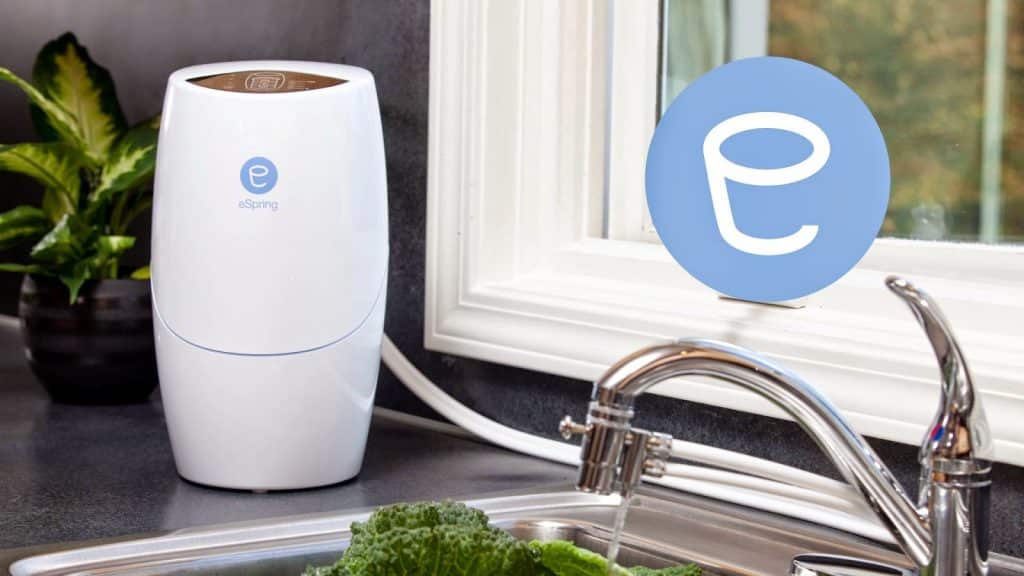
In response to concerns over tap water safety, many individuals turn to home water treatment solutions. Filtration systems, whether pitcher filters, under-sink models, or whole-house units, have become commonplace in the fight against impurities. These systems vary widely in their capabilities, some targeting specific contaminants like lead or chlorine, while others offer a broader range of protection. But it’s not a one-size-fits-all solution; the effectiveness of these systems depends on the types of contaminants present and the maintenance of the filters themselves.
Moreover, methods such as boiling water can inactivate microbes but do nothing to remove chemical contaminants, which requires a more advanced approach like reverse osmosis. Understanding the strengths and limitations of each method is paramount for individuals aiming to take control of their water quality. The responsibility ultimately falls on the consumer to research and select an appropriate system that aligns with the specific challenges posed by their local water supply.
Bottled Water vs. Tap Water
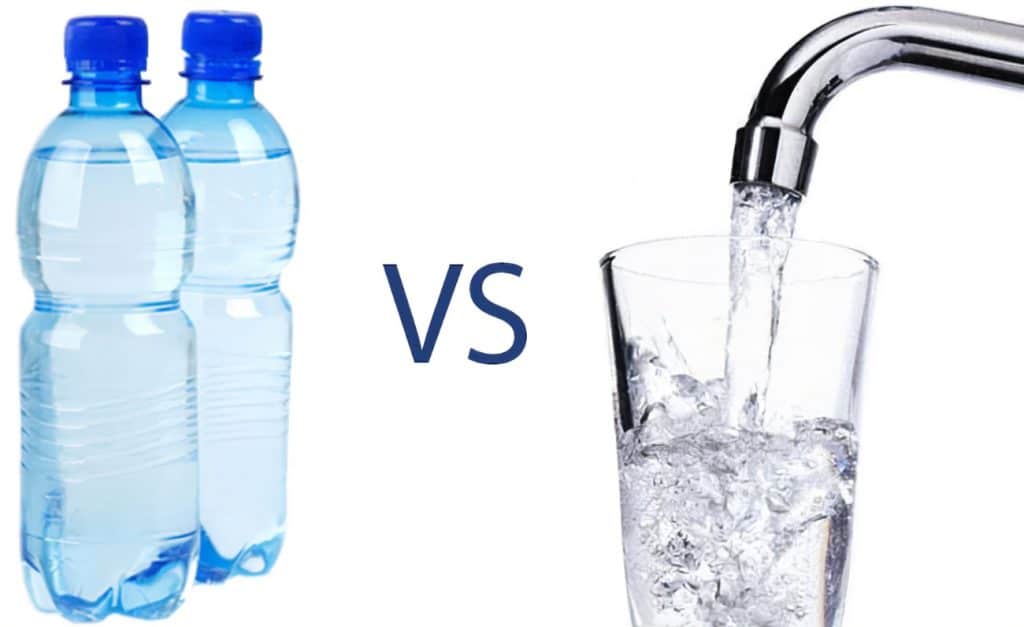
The bottled water industry has surged in popularity, partly driven by concerns over tap water safety. Bottled water is often marketed as a pure and safe alternative, but its superiority to tap water is a contentious issue. While it is subject to regulation—often by different standards than tap water—the environmental impact of plastic waste and the financial cost to consumers are significant drawbacks. Furthermore, several studies have shown that bottled water is not immune to contamination, and, in some cases, tap water is repackaged.
Contrasting this with tap water, which, despite the potential for contamination, is generally provided at a much lower cost and with a far lower environmental footprint, it’s clear that both options have their trade-offs. Consumers must weigh the pros and cons, considering factors like the source, the regulatory oversight, and the impact of their choices on their health and the environment.
How to Test Your Drinking Water
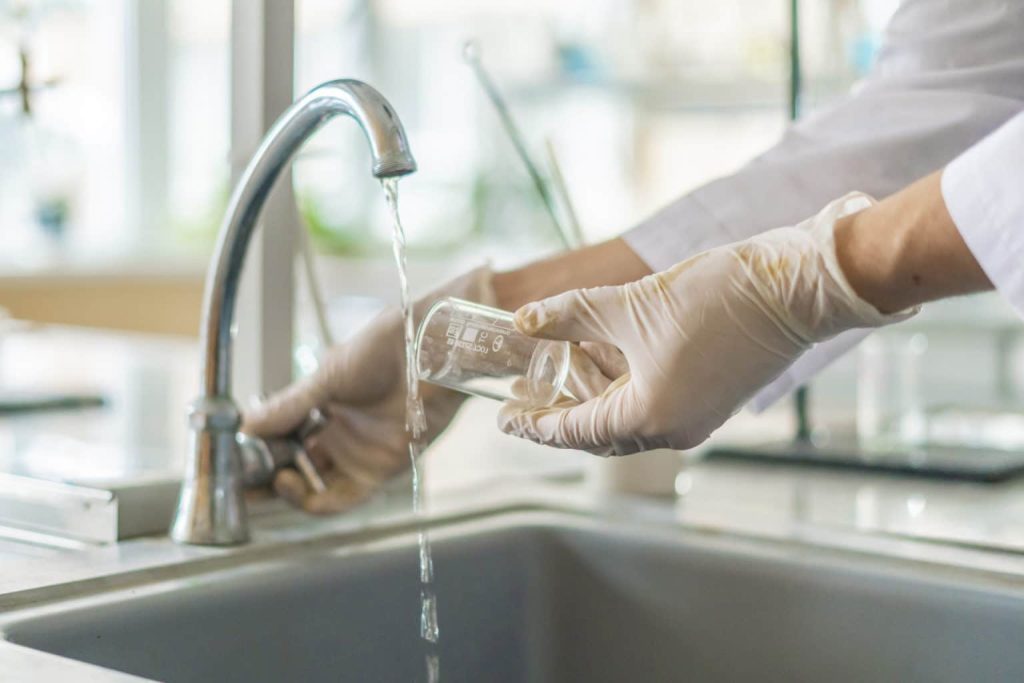
For those questioning the safety of their drinking water, testing provides answers. Homeowners can access a variety of test kits that check for common contaminants such as lead, bacteria, and nitrates. These tests can range from simple, one-time-use strips to more elaborate testing procedures that may require laboratory analysis. Understanding the results, however, is key; the presence of certain contaminants can signal the need for immediate action, while others may require more nuanced, long-term solutions.
Professional testing services offer a more comprehensive analysis that detects a broader spectrum of contaminants at lower levels. These services not only provide a snapshot of water quality but can also advise on potential treatments or improvements to the home’s plumbing system. Whether through a DIY approach or professional services, testing is a critical step in ensuring the safety of drinking water.
What You Can Do to Ensure Safe Drinking Water
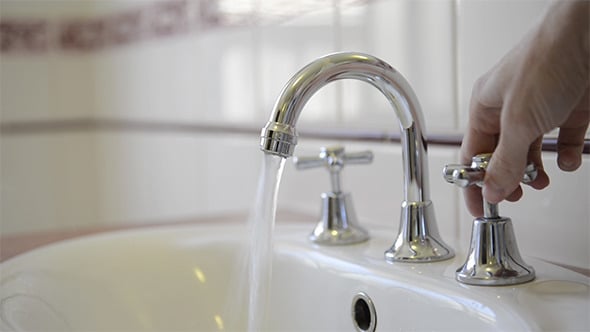
Individual action plays a pivotal role in ensuring the safety of drinking water. Simple practices, such as running the tap for a few minutes before using water for drinking or cooking, can reduce exposure to certain contaminants. Consumers can also advocate for stronger water safety practices by engaging with local water authorities, staying informed about the state of their local water systems, and supporting initiatives to improve water infrastructure.
On a broader scale, community involvement in water management decisions can lead to greater transparency and more robust safety measures. Attending town hall meetings, participating in local water conservation efforts, and even considering installing community water purification systems are proactive steps toward safeguarding drinking water. It is through individual and collective action that the highest standards of water quality can be upheld.
The Bottom Line
The journey of our drinking water from source to tap is fraught with challenges, and its safety is a complex tapestry woven of infrastructure, regulation, and vigilance. While government regulations provide a framework for purity, the guardianship of water quality is a collective responsibility. Advancements in technology and a strong public mandate for quality water can drive the future toward greater safety. Understanding the issues, engaging in proactive solutions, and maintaining a commitment to quality are key to ensuring that the water we rely on for life remains as safe as we not only believe but also as safe as it fundamentally needs to be.