
At-Home Thyroid Testing Kits
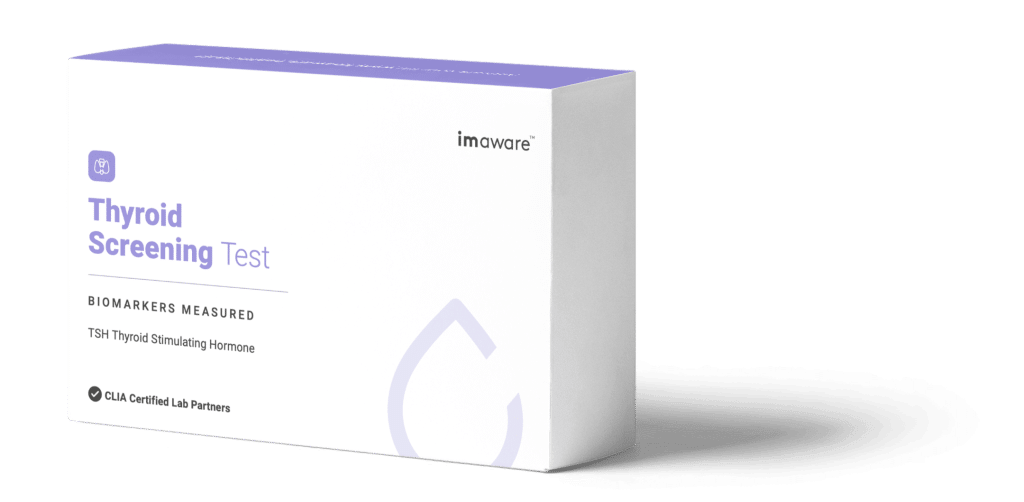
The convenience of at-home thyroid testing kits has made them increasingly popular. These kits typically include all the necessary tools to collect a blood or saliva sample, which you then send to a lab for analysis. The results are usually available online within a few days, providing a quick and convenient way to check your thyroid hormone levels. However, it’s essential to note that these kits may not be as comprehensive as the tests conducted in a medical setting.
While at-home thyroid testing kits offer the advantage of convenience, they also have limitations. The range of hormones tested may be narrower compared to traditional blood tests. Additionally, without the guidance of a healthcare provider, interpreting the results can be challenging. Therefore, while these kits serve as a useful preliminary screening tool, they should not replace a comprehensive evaluation by a healthcare provider.
How To Use An At-Home Thyroid Test Kit
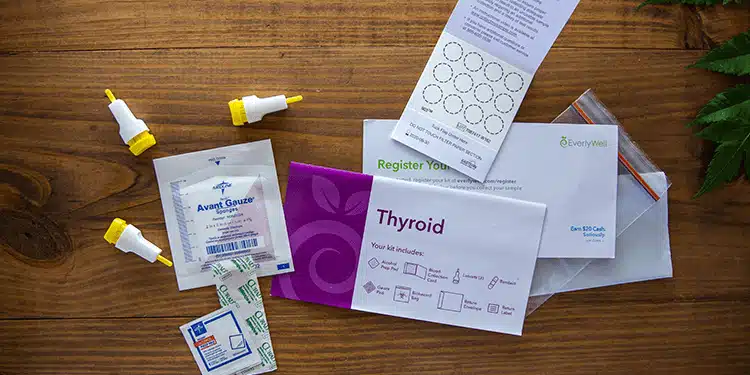
Using an at-home thyroid test kit is generally straightforward. Most kits come with detailed instructions that guide you through the process of collecting a blood or saliva sample. It’s crucial to follow these instructions carefully to ensure the sample is uncontaminated and accurate. Once the sample is collected, it’s typically placed in a pre-labeled container and mailed to a lab for analysis.
Before using an at-home test kit, make sure to read all the instructions and precautions. Some tests may require fasting or avoiding certain medications before sample collection. After sending the sample, it’s essential to keep an eye on your results and consult a healthcare provider for interpretation and the next steps. Remember, while these tests provide valuable insights, they are not a substitute for professional medical advice.
Interpreting Your Results
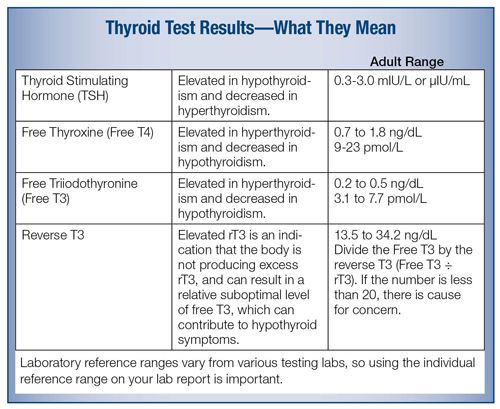
Once you receive the results from your at-home thyroid test kit, you’ll likely see metrics for TSH, Free T3, and Free T4 levels. Elevated TSH levels could indicate an underactive thyroid, while low levels might suggest an overactive thyroid. Free T3 and Free T4 levels provide additional context, helping to paint a fuller picture of your thyroid health. However, these numbers are just one piece of the puzzle and should be interpreted in conjunction with other medical data.
Interpreting these results accurately is crucial for determining the best course of action. If the levels are outside the normal range, it’s strongly advised to consult a healthcare provider for a more comprehensive evaluation. They may recommend additional tests or imaging studies to confirm the diagnosis. Once a diagnosis is made, appropriate treatment options can be discussed to manage your symptoms effectively.
Other Ways To Monitor Thyroid Health At Home

Beyond formal testing, there are other ways to keep an eye on your thyroid health at home. A balanced diet rich in essential nutrients like iodine and selenium can support thyroid function. Exercise also plays a role; regular physical activity can help regulate metabolism and hormone levels, which in turn can keep your thyroid in check. Some people even opt for DIY methods like a neck check or monitoring basal body temperature to gauge their thyroid health.
It’s essential to remember that while these methods can offer some insights, they are not a replacement for professional medical evaluation and treatment. A balanced diet and regular exercise are beneficial for overall health but should be part of a broader approach to managing thyroid issues. If you suspect you have a thyroid problem, these at-home methods can serve as supplementary measures but should not replace formal testing and consultation with a healthcare provider.
Take Action For Your Thyroid Health
Your thyroid may be small, but its impact on your health is anything but insignificant. From regulating metabolism to influencing your emotional well-being, this tiny gland plays a crucial role in your overall health. While at-home tests and lifestyle changes offer valuable insights, they are most effective when used in conjunction with professional medical advice. If you suspect you have a thyroid issue, don’t hesitate to consult a healthcare provider for a comprehensive evaluation and tailored treatment plan.