Feeling constantly fatigued despite getting a full night’s sleep? Experiencing unexplained weight changes or mood swings? These could be signs of a thyroid issue. The thyroid gland plays a critical role in regulating metabolism, energy, and mood. Understanding its function and keeping it in optimal condition is crucial for overall well-being. This article serves as a comprehensive guide to help you test for thyroid issues at home, offering insights into symptoms, testing methods, and what to do with your results.
Contents
Understanding The Thyroid Gland
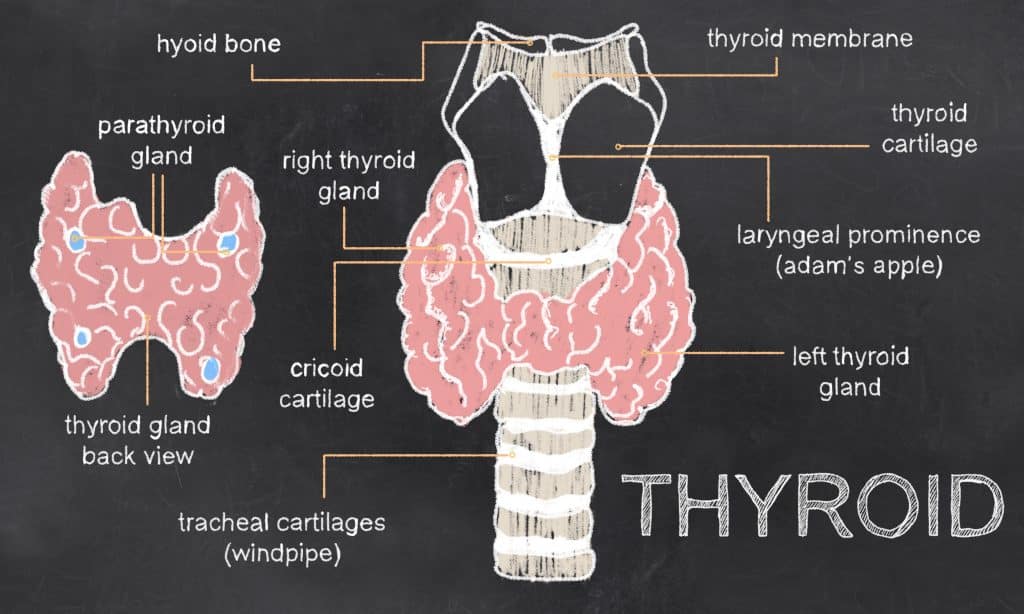
The thyroid gland is a small, butterfly-shaped organ located at the base of the neck. It produces hormones that regulate a variety of bodily functions, including metabolism, heart rate, and body temperature. Thyroid hormones, mainly thyroxine (T4) and triiodothyronine (T3) are essential for the proper functioning of almost every cell in the body. When the thyroid gland is not working as it should, it can lead to a range of health issues.
Common thyroid disorders include hypothyroidism, where the gland is underactive, and hyperthyroidism, where it is overactive. Hypothyroidism can lead to symptoms like fatigue, weight gain, and depression, while hyperthyroidism may result in weight loss, high levels of anxiety, and sleep disturbances. Knowing the function of the thyroid gland and the hormones it produces can help you better understand the symptoms you may be experiencing.
Why Regular Thyroid Testing Is Crucial

Untreated thyroid issues can lead to a host of complications, including cardiovascular diseases, osteoporosis, and, in extreme cases, coma or death. Early detection and treatment are vital for managing these risks effectively. Regular thyroid testing can help you catch any imbalances early on, making treatment more straightforward and less invasive.
Moreover, thyroid issues can have a domino effect on other aspects of your health. For instance, an underactive thyroid can lead to high cholesterol, increasing heart disease risk. On the other hand, an overactive thyroid can result in bone loss, elevating the risk of fractures. Therefore, keeping tabs on your thyroid health is not just about the gland itself but also about maintaining overall health and wellness.
Recognizing Symptoms Of Thyroid Issues
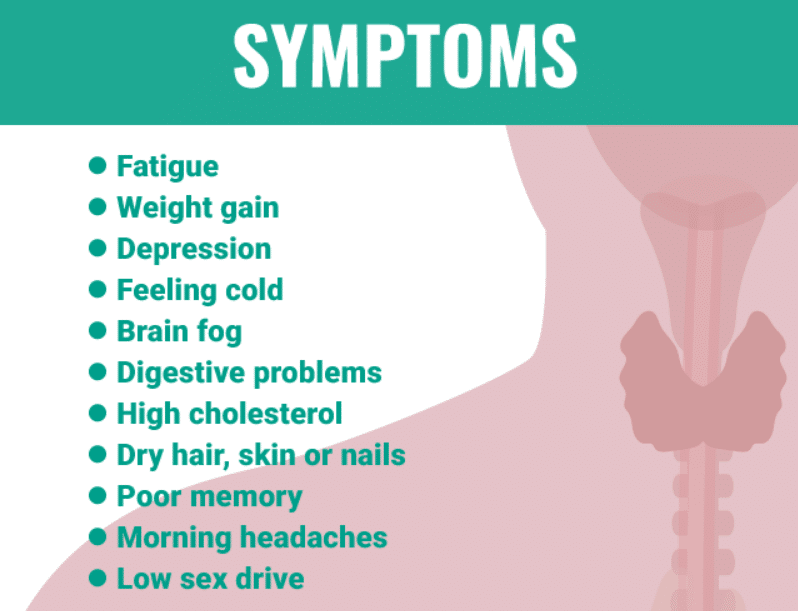
If you’re experiencing symptoms like persistent fatigue, changes in weight, or mood swings, it might be time to consider the health of your thyroid gland. These symptoms can often be vague and attributed to other conditions, making it challenging to diagnose thyroid issues based solely on how you feel. However, a combination of multiple symptoms can serve as a red flag, signaling the need for further investigation.
It’s crucial to consult a healthcare provider for an accurate diagnosis, especially if you’re experiencing multiple symptoms. Blood tests are the most common diagnostic tool for thyroid issues, but recognizing the symptoms early on can expedite the process of diagnosis and treatment. Being proactive about your health can make all the difference in effectively managing thyroid-related conditions.
Types Of Thyroid Tests
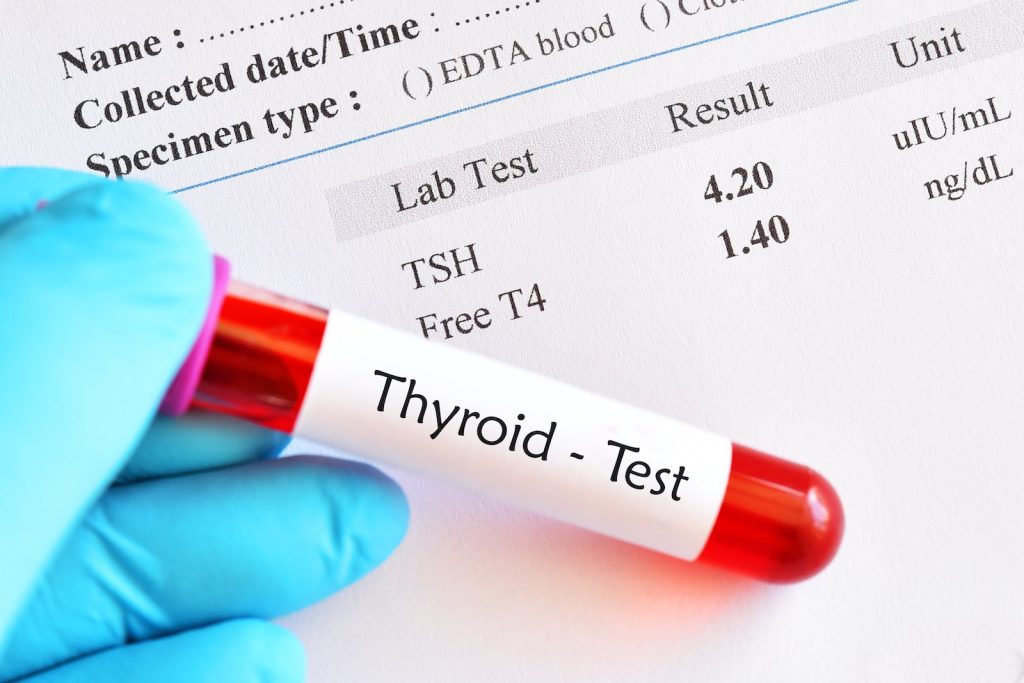
When it comes to diagnosing thyroid issues, several types of tests are commonly used. Blood tests are the most prevalent, measuring levels of Thyroid Stimulating Hormone (TSH), Free T4, and Free T3. These tests provide a comprehensive view of thyroid function and are usually the first step in diagnosis. Other tests include thyroid ultrasound and radioactive iodine uptake tests, which are typically conducted in a medical setting to provide a more detailed analysis.
While blood tests are the gold standard for thyroid diagnosis, they are not the only option. Imaging tests like ultrasounds can help identify nodules or irregularities in the thyroid gland. Radioactive iodine uptake tests can offer insights into how well the thyroid gland is functioning. However, these tests are generally more invasive and expensive than blood tests, making them less commonly used for initial diagnosis.