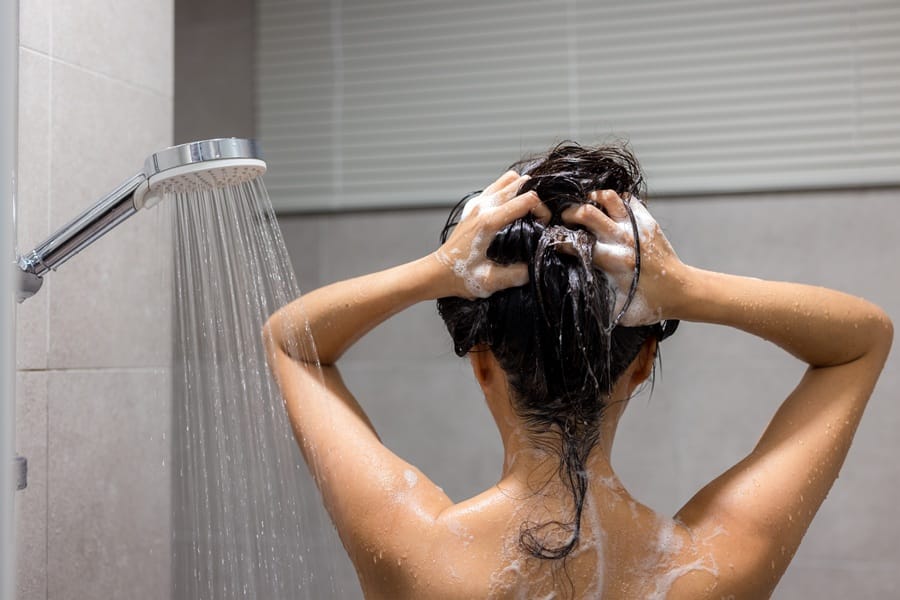
Hydrogen Peroxide Solution

Using a Hydrogen Peroxide Solution can effectively remove trapped water, especially if it’s mixed with earwax. Prepare a solution of equal parts hydrogen peroxide and water. Lie down or tilt your head and apply a few drops of the solution to the affected ear. You might hear a fizzing sound, which is normal.
Leave the solution in the ear for a few minutes, allowing it to break down the earwax and water mixture. Then, tilt your head to the opposite side to let the solution and the trapped water flow out. This method should be used cautiously and is not recommended for people with ear infections, eardrum perforations, or tubes in their ears.
Olive Oil Technique

The Olive Oil Technique is a gentle method to remove water from the ear. Warm a small amount of olive oil to body temperature. Be sure to test the oil on your wrist first to ensure it’s not too hot. Tilt your head and apply a few drops of the warm oil to the affected ear.
The oil can help loosen trapped water and make it easier to drain. Leave the oil in the ear for a few minutes, then tilt your head to the opposite side to allow the oil and water to drain. This method is also beneficial if there’s minor discomfort in the ear.
Over-the-Counter Eardrops

Over-the-counter (OTC) Eardrops are specially formulated to help remove water from the ears. These drops often contain alcohol or a drying agent that can help evaporate the trapped water. Before using OTC eardrops, ensure your ears are healthy and free from infections or eardrum perforations.
Follow the instructions on the eardrop packaging. Generally, you must apply a few drops to the affected ear and wait a few minutes. Then, tilt your head to allow the solution and the water to drain. This method is straightforward and effective, especially for those who swim regularly.
Professional Medical Assistance
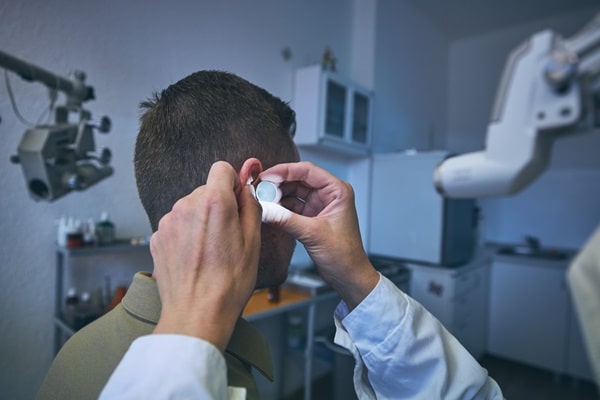
If you’ve tried the above methods and the water is still trapped, or if you experience pain, it’s time to seek Professional Medical Assistance. Persistent water, discomfort, or pain could indicate an ear infection or other complications. A healthcare professional can safely remove the water and provide treatment if necessary.
It’s also important to seek medical attention if you have a history of ear problems, such as recurrent infections or eardrum perforations. Self-treatment might not be advisable in such cases, and professional medical advice is crucial.
The Bottom Line
Removing water from your ear is usually a simple process that can be done safely at home. However, it’s important to be gentle and cautious, avoiding any methods that cause discomfort or pain. If home remedies don’t work or you experience any signs of infection, it’s best to consult a healthcare professional. Regular ear care and taking precautions when swimming or bathing can help prevent water from getting trapped in your ears. Remember, your ears are delicate organs; caring for them is essential for maintaining good hearing health.