Skip to content

How To Combat Respiratory Illnesses

    Respiratory illnesses, ranging from common colds to severe conditions like pneumonia, impact millions worldwide. Recognizing the signs and understanding preventive measures can significantly improve health outcomes. This article explores different strategies for combating these illnesses, emphasizing the importance of early detection, preventive care, and appropriate treatments. As the air you breathe directly influences your health, learning to protect and enhance respiratory function is a critical skill. Through informed actions and community support, individuals can reduce the incidence and severity of these conditions, leading to healthier lives and communities.

    Insights into Respiratory Illnesses

    How To Combat Respiratory Illnesses

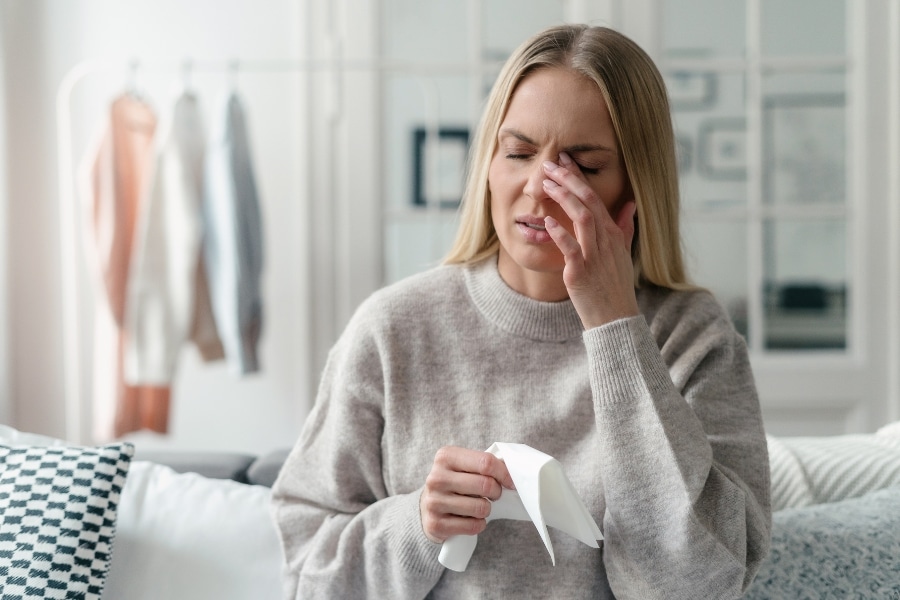
    Respiratory illnesses affect the airways, including the lungs and passages that transfer air from the atmosphere into the body’s interior. Conditions like asthma, chronic obstructive pulmonary disease (COPD), and viral infections such as influenza and COVID-19 are prevalent, each displaying unique symptoms but commonly leading to coughing, wheezing, and breathlessness. Understanding these diseases involves recognizing their symptoms, transmission methods, and the populations most at risk. Knowledge of these aspects is crucial in identifying illnesses early and seeking timely care.

    While many respiratory illnesses share symptoms, they vary significantly in severity and treatment options. Influenza might require rest and hydration, whereas conditions like COPD necessitate ongoing medical management. Misconceptions often lead to underestimation of the chronic nature of some of these diseases or the dismissal of the severe implications of infections like COVID-19. Educating oneself about these differences enables better personal health decisions and fosters a community more resilient to the spread of respiratory diseases.

    Importance of Early Detection
    How To Combat Respiratory Illnesses

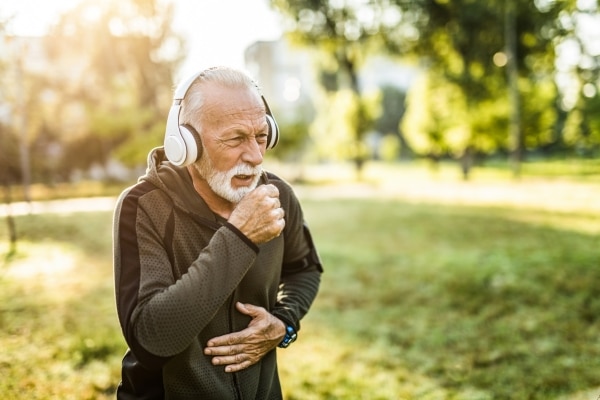
    Early detection of respiratory illnesses can dramatically alter the course of treatment and recovery. Identifying symptoms promptly allows for quicker intervention, reducing the risk of severe complications and transmission to others. For conditions like asthma or chronic bronchitis, early detection means managing the illness before it escalates, ensuring a better quality of life. Routine check-ups and being attentive to body changes are critical in catching these illnesses early.

    Awareness of the signs and symptoms, coupled with access to diagnostic tools like spirometry or imaging, is key in early disease identification. Public health campaigns and education drive the importance of recognizing unusual coughs, persistent respiratory discomfort, or sudden shortness of breath as potential alarms. Encouraging individuals to seek medical advice at the onset of symptoms can lead to early intervention, significantly reducing disease impact and healthcare costs associated with advanced respiratory illnesses.

    Preventive Measures

    How To Combat Respiratory Illnesses

    Preventing respiratory illnesses is often more effective than treating them. Simple, everyday actions can drastically reduce the risk of infection and the spread of airborne diseases. Regular hand washing, wearing masks in crowded or enclosed spaces, and receiving recommended vaccinations are foundational steps. These actions, rooted in personal hygiene and public health guidelines, create barriers against common pathogens that cause respiratory diseases.

    Lifestyle choices also play a significant role in prevention. Avoiding smoking, reducing exposure to pollutants, and maintaining a clean living environment minimize the risk of developing chronic respiratory conditions. Encouraging a culture of prevention through education and community initiatives amplifies the impact of these individual actions. Societal commitment to prevention not only reduces the prevalence of respiratory illnesses but also lessens the burden on healthcare systems, creating a healthier population overall.

    Role of Nutrition and Exercise

    How To Combat Respiratory Illnesses

    Nutrition and exercise are pivotal in maintaining respiratory health. A balanced diet rich in vitamins and minerals supports the immune system, reducing the likelihood of infections and aiding recovery when sick. Foods high in antioxidants, like fruits and vegetables, combat inflammation in the respiratory tract while staying hydrated helps maintain mucous membrane integrity, which is essential for trapping and expelling pathogens.

    Exercise, particularly activities that increase lung capacity and endurance, fortifies the respiratory system. Regular physical activity improves circulation, boosts immunity, and enhances overall lung function. Whether it’s brisk walking, cycling, or swimming, incorporating exercise into daily routines strengthens the body’s defense against respiratory illnesses. While intense activities might not suit everyone, especially those with existing conditions, tailored exercises can ensure that each individual can benefit from the protective and restorative effects of physical activity.

    Medical Interventions

    How To Combat Respiratory Illnesses

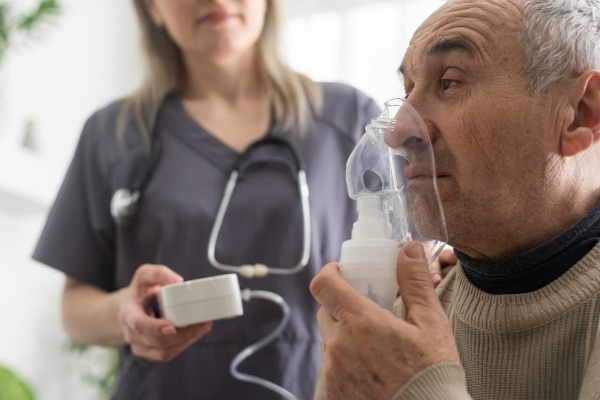
    Medical interventions play a crucial role in managing and treating respiratory illnesses. From antibiotics for bacterial pneumonia to inhalers for asthma, understanding and accessing the right treatment can significantly improve outcomes. For chronic conditions, ongoing medication regimes and regular health check-ups are vital in managing symptoms and preventing flare-ups. Advanced cases might require more intensive treatments, such as oxygen therapy or surgery, highlighting the need for specialized medical care and patient education.

    However, navigating medical treatments requires understanding the options available and the potential side effects. Collaboration between patients and healthcare providers is essential to tailor treatments to individual needs, considering factors like age, overall health, and the severity of the illness. Informed decisions based on a clear understanding of the benefits and risks associated with each treatment can lead to more effective care and better management of respiratory diseases.

    Alternative Remedies and Therapies

    How To Combat Respiratory Illnesses

    In addition to conventional medical treatments, many individuals turn to alternative remedies and therapies for relief from respiratory symptoms. Herbal remedies, such as echinacea or ginger, are popular for their purported immune-boosting and anti-inflammatory properties. Supplements like Vitamin C and zinc are often used to support general health and ward off common colds. While some find these remedies beneficial, it’s crucial to approach them with caution and understand that they should complement, not replace conventional medical advice.

    Complementary therapies like acupuncture, yoga, and breathing exercises are also gaining popularity for their role in improving respiratory health. These practices can help reduce stress, improve lung capacity, and enhance overall well-being. However, the effectiveness and safety of these therapies can vary, and they should be approached as part of a broader health management plan. Consulting healthcare professionals about these alternatives can ensure that they are used safely and effectively alongside other treatments.

    Navigating Chronic Respiratory Illnesses

    How To Combat Respiratory Illnesses

    Living with chronic respiratory illnesses such as asthma or COPD requires long-term management and adaptation. Daily routines might include monitoring symptoms, taking regular medication, and avoiding triggers like smoke or allergens. Understanding one’s condition, potential complications, and how to respond to exacerbations are crucial for maintaining quality of life. This often involves working closely with healthcare providers to develop and follow a personalized care plan.

    Support networks, whether friends, family, or patient groups, are invaluable for those navigating chronic conditions. Sharing experiences and strategies can provide emotional support and practical advice, helping individuals cope with their illness. Additionally, keeping informed about the latest research and treatments can empower patients to advocate for their health and participate actively in their care decisions. Living with a chronic respiratory illness is undoubtedly challenging, but with the proper support and management, individuals can lead full and active lives.

    Community and Global Efforts

    How To Combat Respiratory Illnesses

    Combating respiratory illnesses extends beyond individual actions to include community and global efforts. Public health initiatives, such as vaccination campaigns and air quality regulations, play a critical role in preventing and controlling outbreaks. Communities can support these efforts by promoting health literacy and ensuring accurate information about prevention and treatment is widely accessible. Local organizations and healthcare providers are often at the forefront of these educational and outreach efforts, working to protect the most vulnerable populations.

    On a global scale, collaboration among countries is vital in managing the spread of infectious respiratory diseases. Sharing research, resources, and strategies can lead to more effective responses to outbreaks and a better understanding of how to prevent and treat respiratory illnesses. International health organizations coordinate these efforts, but success also depends on the commitment of individual countries to invest in healthcare infrastructure and adopt best practices. As the world becomes increasingly interconnected, the importance of collective action in combating respiratory illnesses cannot be overstated.

    Inhale the Future of Healthier Living

    Combating respiratory illnesses is a shared responsibility that requires informed, proactive steps from everyone. You are encouraged to adopt healthy lifestyles, seek early medical intervention, and support community health initiatives. By staying informed, embracing preventive measures, and accessing appropriate care, each individual can contribute to the fight against respiratory diseases. Let this knowledge empower you to take charge of your respiratory health and advocate for healthier communities worldwide.