Insoles For Specific Conditions
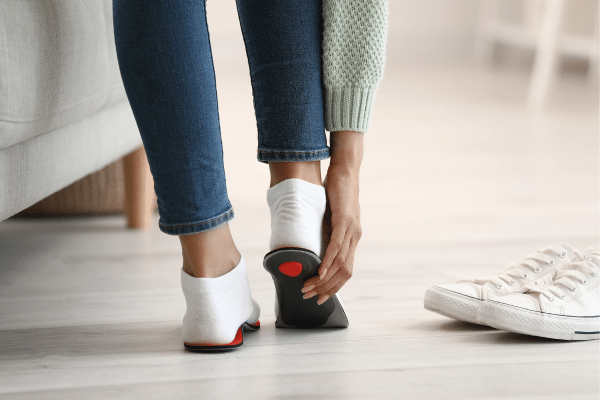
Insoles designed for specific conditions cater to unique foot care needs. For instance, insoles for plantar fasciitis often have extra cushioning in the heel area and arch support to alleviate pain. Those designed for overpronation may have reinforced arch support to correct foot alignment. Diabetic insoles focus on non-binding comfort and pressure relief to prevent sores and ulcers. Understanding one’s specific condition and selecting insoles accordingly can make a significant difference in comfort and foot health.
Seeking professional guidance for condition-specific insoles can be beneficial. A podiatrist or foot care specialist can recommend insoles that best suit individual conditions, offering tailored support and relief. For example, athletes suffering from shin splints or knee pain might require different insole features than those with arthritis. Professional advice ensures that the insoles not only fit comfortably but also effectively address the specific foot issues.
Insoles And Athletic Performance
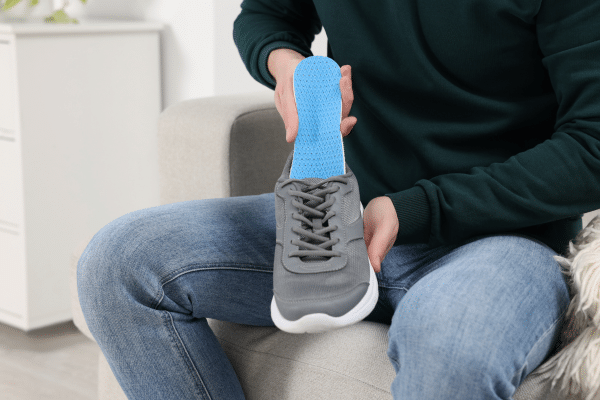
The right insoles can significantly enhance athletic performance by providing better support, reducing fatigue, and preventing injuries. Different sports activities demand different insole features; for example, running insoles typically focus on shock absorption and forward movement support, while insoles for hiking may prioritize stability and cushioning. Athletes should choose insoles that align with their sport’s specific demands to improve performance and reduce the risk of injuries.
The differences in insoles for various sports are not just about cushioning or support but also about the design and material suited for the activity’s specific motions and impacts. Insoles for basketball, which involves a lot of jumping and quick directional changes, may have a different design than those for cycling, where the foot remains in a more constant position. This customization ensures that the insole enhances, rather than impedes, athletic performance and comfort during the activity.
Durability And Maintenance

The lifespan of insoles varies depending on the material and usage. High-quality insoles can last several months, even with daily use, but they do wear out and need to be replaced periodically. Signs of wear such as thinning, tearing, or loss of shape indicate it’s time for a new pair. Regular inspection of insoles for signs of wear is crucial to maintaining foot health and comfort.
Maintaining and cleaning insoles is essential for hygiene and prolonging their life. Most insoles can be gently cleaned with mild soap and water, but it’s important to check the manufacturer’s instructions. Allowing insoles to air out and dry completely after use helps prevent odor and bacterial growth. Some insoles are designed with antimicrobial properties, further reducing the risk of foot odor and infections.
Cost And Value Assessment

The cost of insoles varies widely, influenced by factors like material, brand, and whether they are custom-made or over-the-counter. While it may be tempting to opt for cheaper options, it’s important to consider the value they offer in terms of comfort, foot health, and durability. Investing in a higher-quality insole can be more cost-effective in the long run, especially for those with specific foot conditions or active lifestyles.
Balancing cost with quality involves assessing individual needs and how the insoles will be used. For temporary relief or occasional use, an over-the-counter insole might be sufficient and more budget-friendly. However, for chronic foot issues or intensive use, such as in sports, investing in higher-quality or custom insoles can be more beneficial. This assessment helps ensure that the investment in insoles is both cost-effective and beneficial for foot health.
The Bottom Line
Choosing the right shoe insoles involves a careful consideration of individual foot type, specific needs, and lifestyle. Factors such as material, type, and specific foot conditions play a crucial role in determining the best insole. It’s essential to balance cost, comfort, and health benefits, and not to hesitate in seeking professional advice for tailored recommendations. Ultimately, the right insoles can significantly improve foot comfort, enhance athletic performance, and contribute to overall foot health, making the investment in finding the perfect pair well worth the effort.