Selecting the right shoe insoles is crucial for both comfort and foot health. With a plethora of options available in the market, understanding what to look for is essential. This guide dives into various factors to consider when choosing insoles, such as material, size, and specific foot needs. It’s tailored to help individuals make informed decisions, ensuring they find insoles that not only fit well but also cater to their unique foot structure and lifestyle requirements.
Understanding Foot Anatomy And Insole Function

The anatomy of the foot plays a pivotal role in insole selection. Each foot is unique, with variations in arch type and size influencing the choice of insoles. Recognizing whether one has flat feet, high arches, or neutral arches is the first step in identifying the right insole. This knowledge assists in narrowing down options to those that provide the appropriate level of support and comfort tailored to individual foot structures.
Insoles serve several key functions that are vital for foot health and comfort. They offer support, especially in the arch area, aiding in the proper alignment of the feet and lower legs. Cushioning is another crucial aspect, as it absorbs impact and reduces stress on joints. Additionally, insoles help in distributing pressure evenly across the foot, minimizing areas of excessive stress that can lead to pain or discomfort. Understanding these functions is essential for anyone looking to find insoles that meet their specific needs.
Identifying Your Foot Type And Needs

Determining one’s foot type is a critical step in finding the right insoles. This involves observing the foot’s arch height and understanding its implications. For instance, people with flat feet might require insoles that offer enhanced arch support to prevent overpronation. Conversely, those with high arches might need more cushioning to compensate for their lack of natural shock absorption. Accurate identification of foot type ensures that the selected insoles provide the right balance of support and flexibility.
Beyond foot type, it’s important to consider individual needs based on daily activities and any existing foot discomfort. Those who spend long hours standing might prioritize cushioning, while athletes might look for insoles that offer better shock absorption. Similarly, individuals experiencing specific foot pain patterns, such as heel pain or ball-of-foot discomfort, should look for insoles that target these areas. Tailoring the choice of insoles to these factors ensures enhanced comfort and effectiveness.
Materials And Types of Insoles
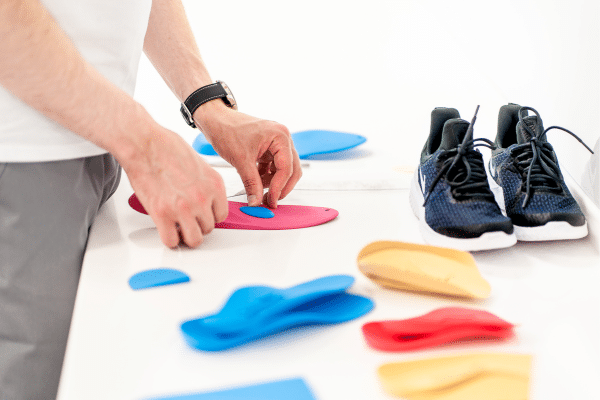
The materials used in insoles play a significant role in their function and comfort. Foam insoles are known for their cushioning and are ideal for general comfort and pressure relief. Gel insoles provide excellent shock absorption, making them suitable for high-impact activities. Cork insoles offer firm support and are durable, while leather insoles are breathable and conform to the foot over time. Each material offers unique benefits, and the choice depends on individual preferences and needs.
When considering the type of insole, the distinction between custom orthotics and over-the-counter options is important. Custom orthotics are tailored to individual foot shapes and specific medical requirements, offering precise support and alignment. Over-the-counter insoles, on the other hand, provide general support and are more accessible. They are a good starting point for those seeking immediate relief and can be effective for many users. However, for chronic foot issues or specific medical conditions, consulting a professional for custom orthotics is advisable.