Contents
SPF in Moisturizers
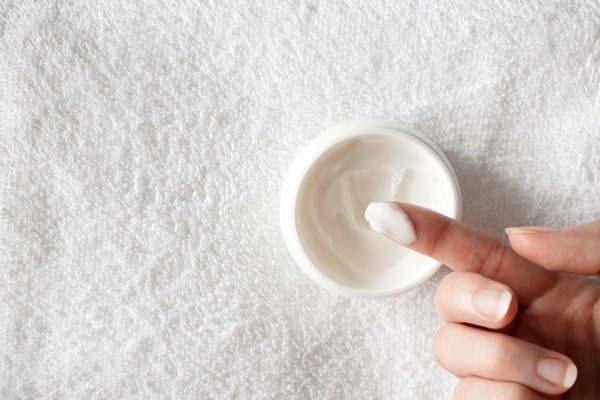
Incorporating sun protection into daily skincare is essential for maintaining skin health. Moisturizers with SPF (Sun Protection Factor) serve a dual purpose: they hydrate the skin while protecting it from harmful UV rays. Continuous exposure to the sun without protection can lead to premature aging, hyperpigmentation, and an increased risk of skin cancer. Therefore, choosing a moisturizer with adequate SPF is a proactive step in skincare.
The recommended SPF level varies depending on one’s skin type and the sun exposure they receive. Generally, a moisturizer with at least SPF 30 is advised for daily use. For sensitive skin, mineral-based sunscreens containing zinc oxide or titanium dioxide are preferable as they are less likely to irritate. These ingredients form a physical barrier on the skin, reflecting UV rays away. A moisturizer with SPF is an efficient way to ensure the skin stays hydrated and protected throughout the day.
The Role of Age in Moisturizer Choice
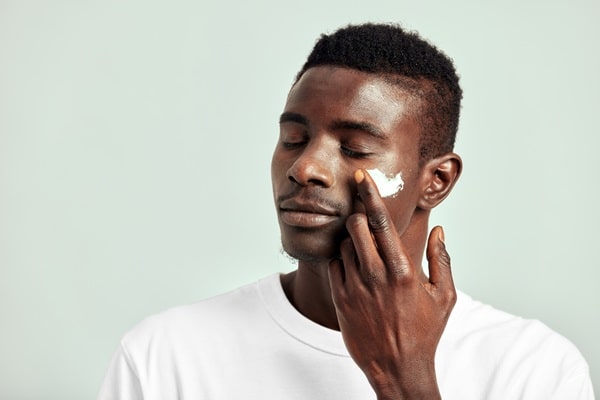
As skin ages, its needs change, necessitating a shift in the choice of moisturizer. Mature skin tends to be drier and less elastic, showing signs of wrinkles and fine lines. Ingredients like retinol and peptides are beneficial in moisturizers for aging skin. Retinol, a vitamin A derivative, helps in cell turnover and boosts collagen production, reducing the appearance of fine lines. Peptides, conversely, are amino acids that help repair and rebuild skin tissues, promoting a firmer and more youthful complexion.
The texture of the moisturizer also plays a crucial role. While younger skin may require lighter formulations, mature skin often benefits from richer, more emollient creams that provide intense hydration and barrier protection. However, it’s essential to balance the need for moisture with the potential for clogging pores, especially for those who may still experience breakouts. Adapting skincare choices to accommodate aging gracefully is integral to maintaining skin health.
Testing and Patch Tests

Before incorporating a new moisturizer into one’s skincare routine, conducting a patch test is crucial. This process helps determine if the skin reacts adversely to the product. To perform a patch test, apply a small moisturizer on a discreet skin area, like the inner wrist or behind the ear, and wait for 24 to 48 hours. The product is likely safe for use if there’s no adverse reaction (like redness, itching, or bumps).
Interpreting the results of a patch test can guide one’s decision in choosing the right moisturizer. If there is an adverse reaction, it’s advisable to discontinue use and possibly consult a dermatologist, especially for those with sensitive skin. Patch testing is a simple yet effective way to ensure a product is compatible with one’s skin, reducing the risk of irritation or allergic reactions. This step is particularly important when trying out new ingredients or product formulations.
The Bottom Line
Selecting the perfect moisturizer is a nuanced process considering skin type, ingredients, texture, age, and environmental factors. Understanding these elements can guide individuals toward a moisturizer that nourishes their skin and enhances its natural beauty. The journey to finding the right moisturizer may involve trial and error, but it’s a worthwhile endeavor for the health and radiance of the skin. Ultimately, the best moisturizer aligns with individual needs, preferences, and lifestyles, contributing to a healthy, glowing complexion. This guide serves as a starting point, empowering readers to make informed skincare choices that celebrate and care for their unique skin.