Calculating Your Baseline Water Needs

To initiate a personalized hydration strategy, it’s crucial to determine a baseline for your daily water intake. A commonly referenced guideline suggests drinking between half an ounce to an ounce of water for each pound of body weight. For instance, a person weighing 150 pounds might aim for 75 to 150 ounces of water daily. However, this is a starting point and should be adjusted based on individual factors such as age, gender, and overall health. This formula provides a rough estimate, serving as a foundation upon which more specific needs can be built.
Fine-tuning this baseline is essential to cater to personal circumstances. Active individuals or those in hot climates may need to increase their intake to compensate for higher fluid loss, while those with a sedentary lifestyle or in cooler environments might require less. Factors like pregnancy, breastfeeding, and certain health conditions also significantly alter water requirements. Understanding these nuances helps in creating a more accurate and effective hydration plan.
Adjusting For Physical Activity and Climate

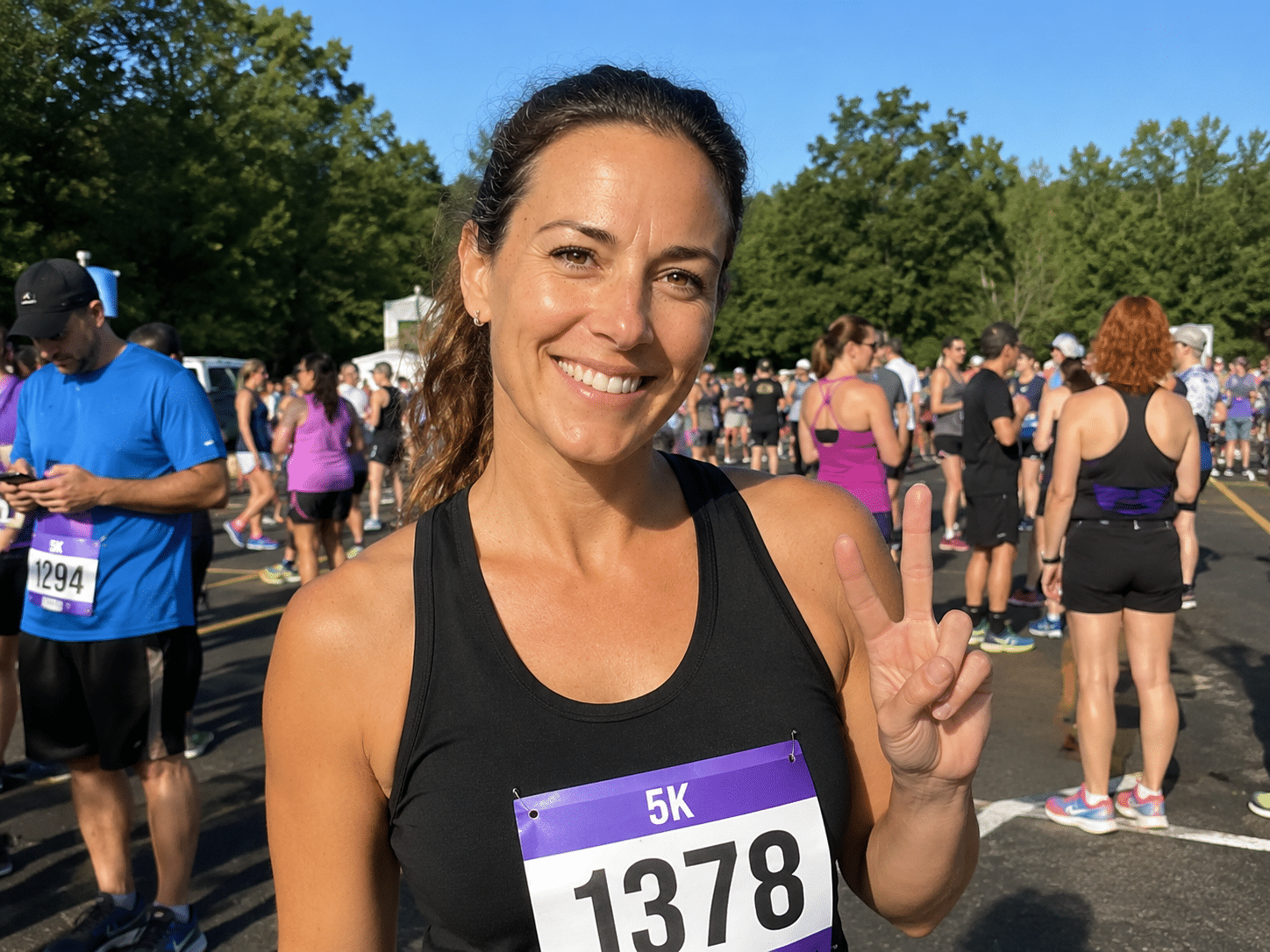
Physical activity and environmental conditions play a significant role in determining water needs. During exercise, the body loses water primarily through sweat, which helps regulate body temperature. The amount of water needed to replenish this loss depends on the intensity and duration of the activity, as well as the environment in which it’s performed. For every 30 minutes of intense exercise, it’s often recommended to drink an additional 12 to 24 ounces of water. This ensures that the body remains hydrated, preventing performance dips and aiding in recovery post-exercise.
The climate also influences hydration needs. In hot or humid conditions, the body sweats more to cool down, leading to increased fluid loss. In contrast, cold climates can lead to higher respiratory water loss, and high altitudes may accelerate dehydration due to increased urination and faster breathing rates. Awareness of these factors and adjusting water intake accordingly is crucial for maintaining hydration under varying physical and environmental conditions.
Signs Of Adequate Hydration

Recognizing the body’s signals for hydration is key to maintaining a healthy fluid balance. Thirst is the most obvious indicator, signaling the body’s immediate need for water. However, relying solely on thirst may not always be sufficient, especially in older adults or during intense physical activity. Another reliable indicator is the color of urine. Clear or light-colored urine typically signifies adequate hydration, whereas a darker color suggests a need for more fluids.
Consistent hydration supports overall well-being, reflected in physical and cognitive performance. Signs of adequate hydration include regular urination, moist skin, and a sense of mental clarity and physical energy. Conversely, symptoms like dry mouth, headaches, and dizziness can indicate dehydration. Being attuned to these bodily cues enables informed decisions about hydration needs.
Special Considerations And Health Conditions

Certain life stages and health conditions necessitate adjustments in water intake. Pregnancy and breastfeeding, for example, significantly increase a woman’s hydration needs. The body requires additional fluids to support fetal development and produce breast milk. Pregnant and breastfeeding women should consult healthcare providers for specific hydration guidelines tailored to their needs.
Chronic health conditions like diabetes, kidney disease, and heart conditions also impact hydration requirements. For instance, people with kidney disease may need to limit fluid intake, while those with conditions like cystic fibrosis may require more due to excessive salt loss. Understanding these special considerations is crucial for managing hydration effectively. Consulting with healthcare professionals can provide valuable insights and guidance for those with specific health concerns or conditions.
Hydrate Wisely, Live Vibrantly
Understanding and managing your hydration needs is a dynamic and personal journey. It’s about listening to your body, considering your lifestyle, and making informed choices. Remember, staying adequately hydrated is more than just drinking water; it’s about balancing intake with your physical activity, climate, diet, and health conditions. Start today by assessing your own hydration needs and making the necessary adjustments. Your body and mind will thank you for the attention and care you provide in ensuring optimal hydration.