Burning fat is a common goal for many people, yet the process can often feel slow and frustrating. Traditional exercise methods, like steady-state cardio or weightlifting, tend to yield gradual results, leaving many individuals discouraged when they don’t see immediate changes. However, with the right approach, fat loss doesn’t have to be a long and tedious journey. There is an effective, little-known exercise hack that can speed up the fat-burning process, making workouts not only more efficient but also more rewarding. In this post, discover how a simple adjustment to your routine can help you burn fat faster and get better results.
Understanding the Basics of Fat Loss
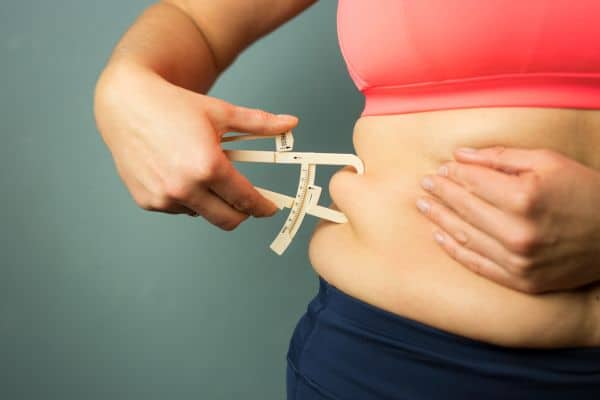
Fat loss occurs when the body burns more calories than it consumes, creating a calorie deficit. This process forces the body to use stored fat as fuel for energy, ultimately leading to weight loss. While maintaining a healthy diet is crucial for this process, exercise plays an equally important role. By increasing physical activity, the body burns more calories, helping to create that necessary deficit for fat loss.
Exercise not only aids in calorie burning but also boosts metabolism, which is essential for long-term fat loss. Activities like strength training build muscle, and muscle tissue burns more calories at rest than fat tissue. This means that the more muscle you have, the more efficient your body becomes at burning fat. However, not all exercise routines are created equal, and many people unknowingly follow methods that may slow their progress.
The Problem with Common Fat Loss Exercises

While traditional exercises like jogging or cycling are widely recommended for weight loss, they aren’t always the most efficient for fat burning. Steady-state cardio, which involves maintaining a moderate pace for an extended period, burns calories but often fails to provide the intensity needed for rapid fat loss. Furthermore, excessive cardio can lead to muscle loss, which can slow metabolism and reduce the body’s fat-burning efficiency.
Another issue with common fat loss exercises is the plateau effect. When performing the same workout repeatedly, the body eventually adapts, leading to diminishing returns in fat burning. This plateau can frustrate those trying to lose weight, as they put in the effort but no longer see results. To overcome this, a more dynamic and challenging approach to exercise is needed—one that consistently pushes the body to adapt and burn more fat.
Introducing High-Intensity Interval Training (HIIT)

High-Intensity Interval Training (HIIT) has emerged as one of the most effective solutions for rapid fat loss. Unlike traditional cardio, HIIT involves alternating short bursts of intense activity with brief recovery periods. This workout style pushes the body to its limits during the high-intensity intervals, resulting in a higher calorie burn both during and after the workout. The alternating nature of HIIT also prevents the body from adapting too quickly, keeping the metabolism elevated.
One of the key benefits of HIIT is the afterburn effect, also known as Excess Post-Exercise Oxygen Consumption (EPOC). This refers to the body’s continued calorie burning after the workout has ended, as it works to recover from the intense activity. The afterburn effect can last for hours, significantly boosting fat loss over time. HIIT not only maximizes fat burning but also fits well into busy schedules, as it typically requires shorter workout sessions than steady-state cardio.