Cold and flu seasons often bring discomfort and a search for relief. Among various remedies, essential oils have emerged as a popular alternative. Extracted from plants, these oils carry the essence of their source, including fragrance and health benefits. Historically used in traditional medicine, these natural extracts are gaining attention for their potential in easing cold symptoms. This article delves into how essential oils can help combat colds, blending historical wisdom and modern practices.
Understanding Essential Oils

Essential oils, concentrated plant extracts, have been utilized for centuries in various cultures for their medicinal properties. Through processes like steam distillation or cold pressing, the oils capture the plant’s scent and flavor, or its “essence.” Incorporating these oils into health and wellness routines dates back to ancient civilizations, including Egypt and China, where they were used for therapeutic, spiritual, and hygienic purposes. Today, these oils are a cornerstone of aromatherapy, providing a holistic approach to treating ailments like the common cold.
The science behind essential oils lies in their complex composition. Each oil contains a unique mix of compounds that can have diverse effects on the body. For instance, some oils possess anti-inflammatory or antimicrobial properties, making them potent against pathogens responsible for colds. When inhaled or applied topically, these oils can offer symptomatic relief and support the body’s natural healing processes.
The Science Behind Essential Oils and Colds

Research into essential oils has shown promising results in the context of cold relief. Certain oils, such as eucalyptus and peppermint, contain compounds like menthol and eucalyptol, known for their decongestant properties. These compounds can help alleviate nasal congestion and ease breathing. Additionally, many essential oils exhibit antimicrobial activities, potentially aiding in fighting cold-causing viruses and bacteria.
The effectiveness of essential oils also extends to supporting the immune system. Oils like tea tree and oregano are recognized for their immune-enhancing properties. By stimulating the body’s natural defense mechanisms, these oils can play a crucial role in preventing and recovering from colds. It’s essential, however, to understand that while essential oils can provide symptomatic relief and support the body’s immune response, they should complement, not replace, conventional medical treatments.
Top Essential Oils for Cold Relief
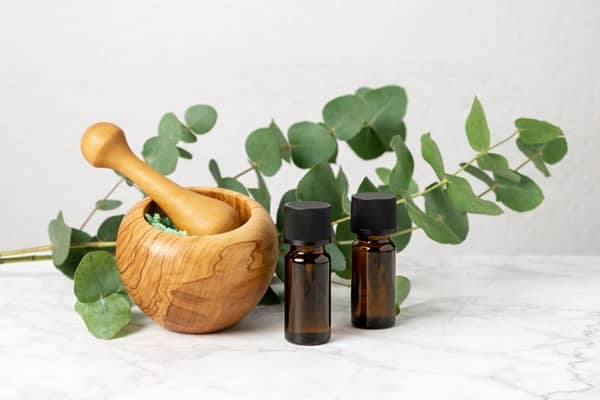
Certain varieties stand out for their effectiveness in cold relief among many essential oils. Eucalyptus oil, for instance, is renowned for clearing nasal passages and reducing cough. Its key component, eucalyptol, has been studied for its anti-inflammatory and bronchodilating effects. Similarly, with its high menthol content, peppermint oil offers a cooling sensation that can soothe sore throats and alleviate congestion.
Another notable oil is tea tree oil, known for its antimicrobial properties. It can help combat the viruses and bacteria responsible for colds, potentially shortening the duration of illness. Additionally, lavender oil is prized for its calming properties, aiding in restful sleep, a crucial factor in recovery from illness. It’s important to remember that individual responses to essential oils can vary, and what works for one person may not be as effective for another.