Physical Activity

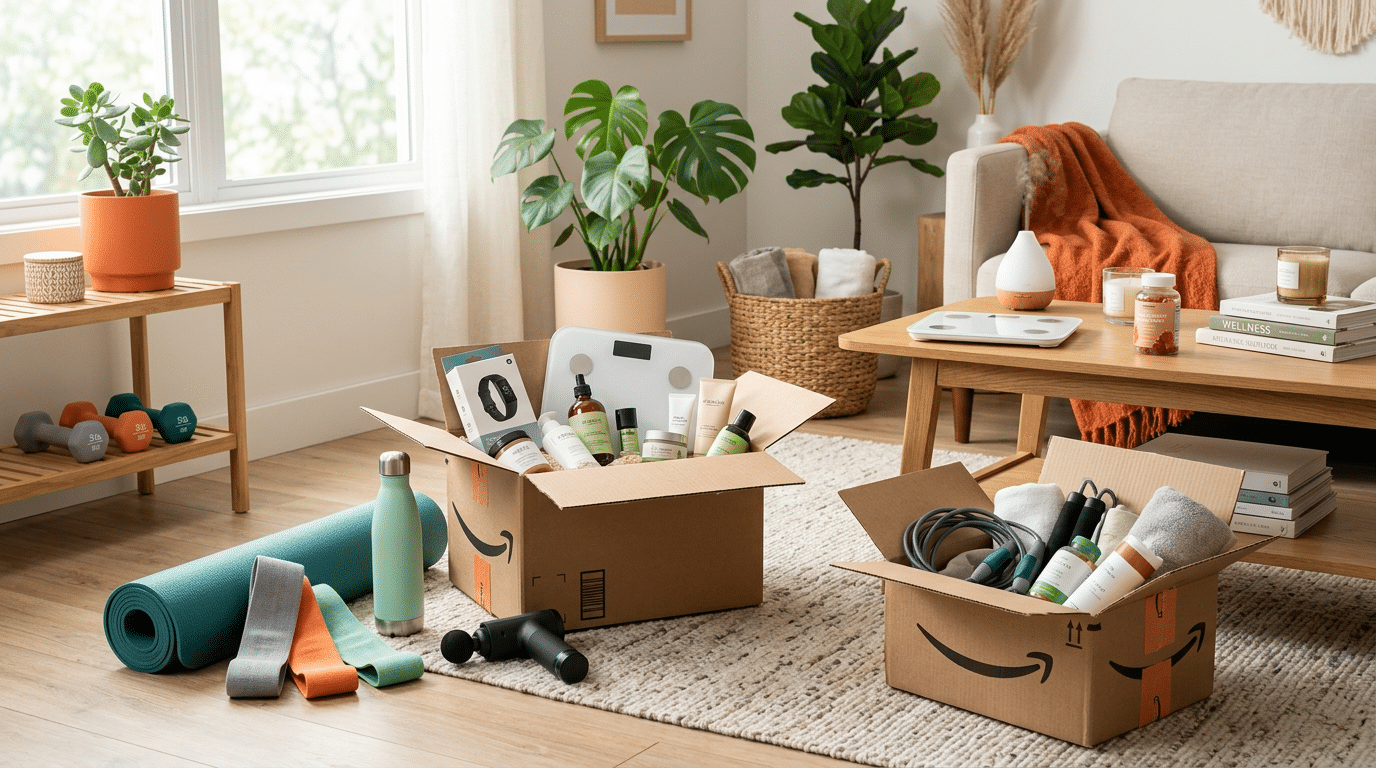
Engaging in regular physical activity is a cornerstone of mental health, offering a natural and effective remedy for stress, depression, and anxiety. Exercise promotes the release of endorphins, often referred to as “feel-good” hormones, which enhance mood and create a natural high. Additionally, physical activity improves sleep, boosts self-esteem, and provides a sense of accomplishment. Even moderate exercise, such as a brisk walk or a bike ride, can lead to significant improvements in mental health, making it an accessible and powerful tool for everyone.
Incorporating physical activity into daily life doesn’t require a monumental commitment or a strict fitness regime. Finding enjoyable forms of exercise ensures consistency and long-term engagement. Activities such as dancing, hiking, or yoga not only provide physical benefits but also offer opportunities for mindfulness and social interaction. The key is to set realistic goals, celebrate progress, and remember that every bit of movement counts. By prioritizing physical activity, individuals can unlock a host of mental health benefits, paving the way for a more energized and positive life.
Engaging In Hobbies
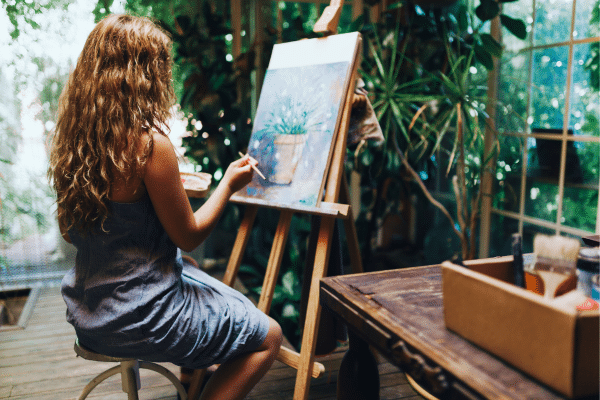
Hobbies offer a unique avenue for enhancing mental health, providing an escape from daily stressors and contributing to a sense of purpose and fulfillment. Whether it’s painting, gardening, playing a musical instrument, or engaging in a sport, hobbies stimulate the mind, encourage creativity, and promote a state of flow, where time seems to stand still. This immersion in enjoyable activities not only reduces stress but also fosters a sense of accomplishment and self-expression, essential components of a well-rounded and satisfying life.
Encouraging the exploration and prioritization of hobbies is vital for mental well-being. Hobbies provide opportunities for learning new skills, facing challenges, and experiencing growth. They also offer a platform for social interaction and community building, as many hobbies can be shared with others or involve group activities. By dedicating time to hobbies, individuals invest in their mental health, nurturing a sense of joy, and creativity that enriches all aspects of life.
Sleep Hygiene
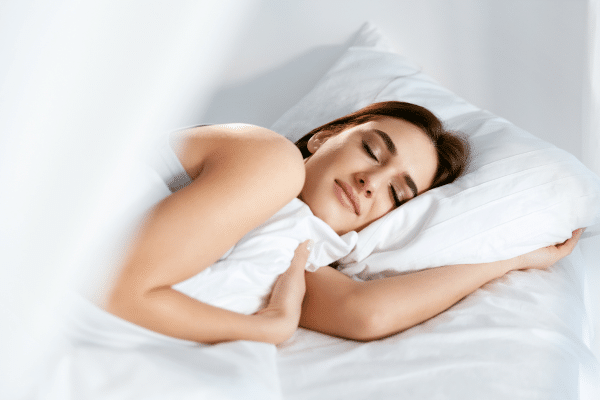
Quality sleep is a critical component of mental health, profoundly affecting mood, cognitive function, and stress levels. Sleep disturbances, such as insomnia or irregular sleep patterns, are closely linked with mental health disorders, highlighting the importance of good sleep hygiene. Establishing a regular sleep schedule, creating a restful environment, and adopting pre-sleep rituals can significantly improve sleep quality. These practices not only facilitate the transition to sleep but also enhance the restorative power of sleep, ensuring that the body and mind are rejuvenated and ready for the challenges of a new day.
Improving sleep hygiene involves more than just setting a bedtime. It encompasses a range of behaviors and environmental adjustments, such as minimizing screen time before bed, ensuring a comfortable and dark sleep environment, and managing stress through relaxation techniques. Avoiding stimulants such as caffeine and nicotine close to bedtime is also crucial. By prioritizing sleep and adopting habits that promote restful nights, individuals can experience improved mood, better cognitive function, and an overall enhanced quality of life.
Aromatherapy
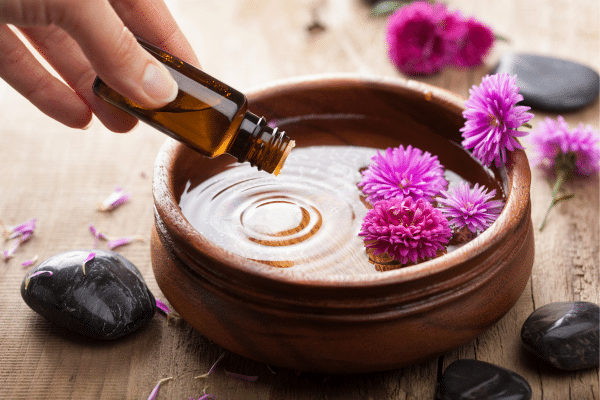
Aromatherapy utilizes the power of scent to positively influence mood, stress levels, and even sleep quality. Essential oils, extracted from plants, are the primary agents in aromatherapy, offering a natural and holistic approach to mental health. Scents like lavender, peppermint, and eucalyptus are known for their calming and invigorating properties, respectively. When inhaled or applied topically, these scents can trigger emotional and physiological responses, providing relief from stress, anxiety, and even certain physical ailments.
Incorporating aromatherapy into daily life is both simple and enjoyable. Essential oils can be used in various ways, such as through diffusers, in baths, or as part of massage therapy. However, it’s important to use them safely and mindfully, recognizing that pure essential oils are potent and should be used with care. Understanding the unique properties of each oil and respecting individual sensitivities ensures a positive and healthful aromatherapy experience. By embracing the subtle yet powerful influence of scent, individuals can enhance their environment and promote a sense of well-being.
The Bottom Line
Embracing a holistic approach to mental health offers a comprehensive pathway to well-being, acknowledging the intricate interplay between physical, emotional, and social factors. From the calming practice of mindfulness and the nurturing power of social connections to the rejuvenating force of proper nutrition, physical activity, and quality sleep, each element contributes uniquely to mental health. Engaging in hobbies provides creative fulfillment, while aromatherapy offers a sensory experience that can soothe and invigorate the mind. By exploring and integrating these diverse approaches, individuals can build a robust foundation for mental well-being, tailored to their unique needs and lifestyles.