
Stress Management

Effective stress management is essential in maintaining both physical and mental health, particularly in a fast-paced lifestyle. Chronic stress can lead to numerous health problems, including heart disease, anxiety, and depression. One of the simplest ways to manage stress is through deep breathing exercises. These can be done almost anywhere and require only a few minutes. Breathing deeply and slowly triggers a relaxation response in the body, helping to reduce stress levels.
Incorporating mindfulness practices into daily routines can also significantly reduce stress. This might involve setting aside a few minutes each day for meditation or practicing mindfulness during everyday activities like walking or eating. The key is to focus on the present moment, which helps to alleviate worries about the past or future. Additionally, engaging in hobbies or activities that bring joy can be a great way to relieve stress. Whether it’s reading, gardening, or playing a musical instrument, these activities provide a break from the pressures of daily life.
Healthy Snacking
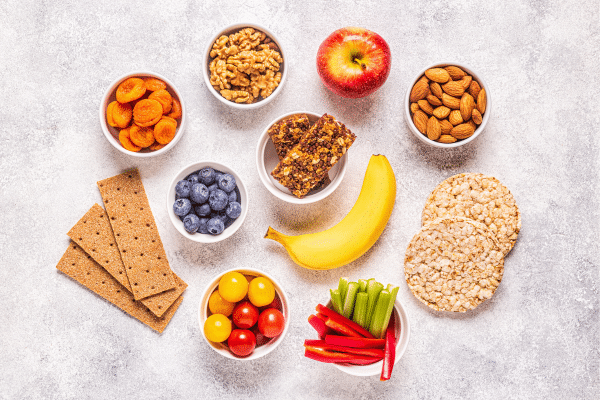
Choosing healthy snacks is crucial for maintaining energy levels and preventing overeating, especially for those with limited time for regular meals. Snacks high in protein and fiber, such as nuts, yogurt, or fruit, provide sustained energy and keep hunger at bay. Planning and preparing snacks in advance ensure that healthy options are always available, preventing the temptation to reach for high-sugar or high-fat convenience foods.
It’s also important to be mindful of portion sizes when snacking. Eating directly from a large bag or container can lead to overeating. Instead, portioning out snacks into smaller containers or bags can help control the amount consumed. Additionally, staying hydrated can sometimes curb the urge to snack, as the body often confuses thirst with hunger. Keeping a water bottle handy and drinking regularly throughout the day can keep unnecessary snacking at bay.
Digital Detox

In the digital age, a digital detox is increasingly important for mental health and well-being. The constant bombardment of notifications and the lure of social media can lead to increased stress and distraction. Setting aside specific times to disconnect from digital devices helps the mind to relax and refocus. This can involve designated hours in the evening where phones, computers, and TVs are turned off, allowing for quality time with family or engaging in relaxing activities.
Another effective approach is to limit social media and email checks to specific times of the day. This not only reduces the constant interruption of notifications but also helps in managing time more effectively. Encouraging hobbies or activities that don’t involve screens, like reading, outdoor sports, or crafting, can provide a healthy balance to the digital world. The aim is to create a habit of being present in the moment, free from digital distractions.
Stay Socially Connected

Maintaining social connections is crucial for emotional health and can often be overlooked in a busy life. Making time for friends and family, even if it’s just a quick coffee or a phone call, can significantly boost mood and reduce feelings of isolation. It’s not always about the quantity of social interactions, but the quality. Meaningful connections, even if infrequent, can have a profound impact on well-being.
Combining social activities with other commitments can be an efficient way to stay connected. For example, attending a fitness class with a friend or organizing a family walk. These activities provide an opportunity to catch up while also fulfilling other lifestyle goals. Remember, human interaction is essential for mental health, and nurturing relationships is as important as taking care of physical health.
The Bottom Line
Adopting healthy habits into a busy life might seem daunting, but it’s entirely feasible with small, incremental changes. Consistently drinking water, eating mindfully, engaging in regular physical activity, getting adequate sleep, managing stress, snacking healthily, taking digital breaks, and maintaining social connections are all key aspects of a balanced lifestyle. These habits not only improve physical health but also enhance mental and emotional well-being. The journey to a healthier life doesn’t require drastic changes; instead, it’s about making smarter, more conscious choices each day. Remember, every small step counts towards achieving a healthier, more balanced life.