Contents
Breathing And Respiratory Assistance

The respiratory system’s functionality heavily relies on muscular involvement. The diaphragm, a large muscle located below the lungs, plays a pivotal role in breathing. When the diaphragm contracts, it creates more space in the chest cavity, allowing the lungs to expand and fill with air. Intercostal muscles between the ribs also assist in this process, helping to elevate the rib cage during inhalation and compress it during exhalation. This coordinated effort between the diaphragm and intercostal muscles is essential for effective breathing.
Muscular disorders can significantly impact respiratory function. Diseases affecting muscle strength and control, such as muscular dystrophy, can weaken respiratory muscles, making breathing laborious. This can lead to a reduced ability to cough and clear airways, increasing the risk of respiratory infections. The importance of muscular health in maintaining efficient respiratory function is thus underscored, highlighting the interconnectedness of different bodily systems.
Digestion And Organ Function

Smooth muscles, found within the walls of internal organs, play a critical role in the digestive process. These muscles engage in a coordinated series of contractions, known as peristalsis, which moves food along the digestive tract. This movement is essential for the mechanical breakdown of food, as well as its absorption and eventual excretion. The smooth muscles of other organs, such as the bladder, also function similarly, facilitating the storage and release of urine.
Beyond digestion, muscular activity is integral to the functioning of various organ systems. For example, the smooth muscles in blood vessels control the flow and distribution of blood, adjusting to changes in bodily demand. This adaptability ensures that organs receive an adequate blood supply under different conditions, from resting states to intense physical activity. This versatility of smooth muscles across various organ systems highlights their crucial role in maintaining bodily homeostasis.
Temperature Regulation
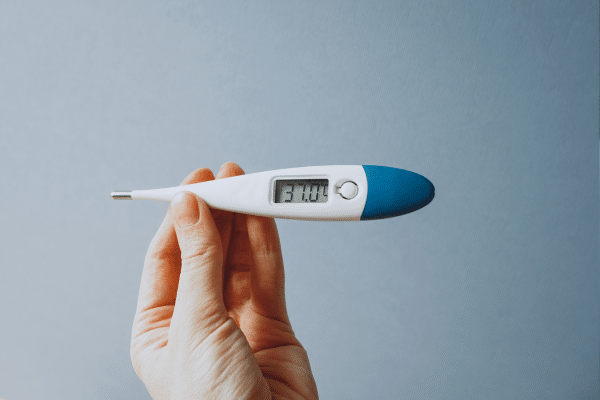
Muscles contribute to the regulation of body temperature through a process called thermogenesis. When the body is exposed to cold temperatures, muscles generate heat by increasing their metabolic activity. This is most apparent during shivering, where rapid, involuntary muscle contractions produce heat to maintain the body’s core temperature. This heat production is vital in cold environments, helping to prevent hypothermia.
Shivering is just one aspect of the muscular system’s role in temperature regulation. Even during non-strenuous activities, muscles continuously produce a baseline level of heat as a byproduct of their metabolic processes. This heat contributes to maintaining the body’s normal temperature, ensuring that vital enzymatic reactions occur optimally. The muscular system, therefore, plays a subtle yet constant role in keeping the body’s temperature within a narrow, healthy range.
The Bottom Line
Muscles, often associated primarily with movement, in fact, contribute to a myriad of vital functions in the human body. From supporting structural integrity and assisting in circulation to playing key roles in digestion, temperature regulation, and communication, the muscular system is integral to overall health. Understanding and maintaining this system is crucial, not just for physical strength and mobility, but for the efficient functioning of virtually all bodily processes. By highlighting the diverse and essential roles of muscles, this blog post aims to increase awareness of the importance of muscular health and encourage proactive measures to maintain it.