Contents
Nuts and Seeds: Essential Fats and Proteins
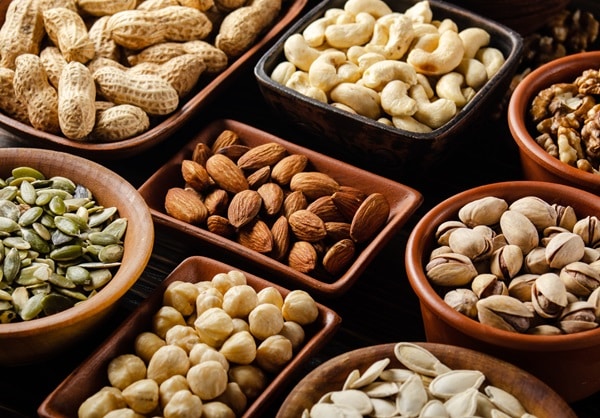
Nuts and seeds are small but mighty components of a well-stocked pantry. Almonds, walnuts, flaxseeds, and chia seeds, among others, are packed with healthy fats, proteins, and various essential nutrients. These include Omega-3 fatty acids, crucial for heart health, and antioxidants, which combat oxidative stress in the body. Additionally, nuts and seeds are great fiber sources, aiding digestion and providing a sense of fullness, which can help with weight management.
The uses of nuts and seeds in cooking are as diverse as their health benefits. They can be added to oatmeal or yogurt for a nutritious breakfast, used in baking to add texture and flavor or simply enjoyed as a healthy snack. When incorporating them into meals, opting for raw or dry-roasted varieties without added salt or sugar is best. Proper storage is key, as nuts and seeds can go rancid due to their high fat content; keeping them in airtight containers in the fridge or freezer can extend their shelf life.
Dried Herbs and Spices: Flavor Enhancers

Dried herbs and spices are essential for any pantry, offering a way to enhance the flavor of dishes without adding extra calories or sodium. Staples like basil, oregano, cumin, and chili powder can transform a simple meal into a culinary delight. They not only add depth and complexity to dishes but also come with their own set of health benefits. Many herbs and spices have antioxidant properties, aiding digestion and reducing inflammation.
Knowing how to pair herbs and spices with food can elevate one’s cooking. For instance, basil pairs well with tomatoes; oregano is great in Greek dishes, cumin is a staple in Indian and Mexican cuisines, and chili powder adds heat to any dish. To maximize their flavor, it’s advisable to add dried herbs and spices early in the cooking process, allowing their flavors to infuse the dish. As for storage, keeping them in a cool, dark place helps retain their potency.
Whole Wheat Pasta: Quick and Nutritious Meals
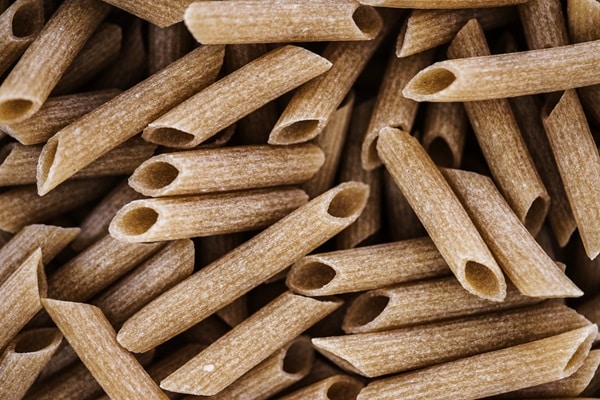
Whole wheat pasta is a healthier alternative to regular pasta, offering more fiber and protein. This makes it more filling and beneficial for digestion and blood sugar regulation. Whole wheat pasta also provides a good source of several minerals, including selenium and manganese. Its slightly nuttier flavor and firmer texture make it a great base for various dishes.
Whole wheat pasta is incredibly versatile in the kitchen. It can be used in traditional Italian dishes, added to soups, or mixed into salads. Cooking whole wheat pasta to ‘al dente’ ensures it retains some firmness, providing a pleasant texture. It pairs well with various sauces, from classic tomato to creamy alfredo, and can be a great vehicle for incorporating more vegetables into meals.
Natural Sweeteners: Healthy Alternatives

Natural sweeteners like honey, maple syrup, and agave are excellent pantry additions for those looking to reduce their refined sugar intake. These sweeteners add a unique flavor to dishes and beverages and contain trace nutrients not found in white sugar. For example, honey has antibacterial properties and is rich in antioxidants, while maple syrup contains minerals like manganese and zinc.
These natural sweeteners can be used in a variety of ways. They are great for sweetening tea or coffee, can be used in baking as a sugar substitute, and add a touch of sweetness to salad dressings or marinades. It’s important to note that while they are healthier options, they should still be used in moderation due to their high sugar content.
Make Sure To Keep These Foods In Your Pantry!
A well-stocked pantry is the foundation of great home cooking. It allows for creative, nutritious, and delicious meals that can be easily assembled. The essential pantry items discussed – from whole grains and legumes to oils, vinegar, and preserved foods – offer a balance of taste, health benefits, and culinary versatility. Keeping these staples on hand ensures they are always prepared to whip up a satisfying meal, whether it’s a quick weekday dinner or a leisurely weekend brunch. The key to a resourceful pantry is not just having these items but knowing how to use them to their full potential, bringing out the best in every meal.