A good night’s sleep starts with what’s on your plate. While it’s common to focus on bedroom temperature or screen time, many people overlook how much their evening meals impact sleep quality. Certain foods can trigger restlessness, indigestion, or energy spikes that make it harder to fall and stay asleep. If you’ve ever tossed and turned without a clear reason, your diet might be the culprit. By knowing which foods to avoid before bed, you can set yourself up for deeper, more refreshing rest. This guide breaks down the worst offenders so you can make better choices and sleep more soundly tonight.
Contents
- 1 Caffeine Lurks in More Than Just Coffee
- 2 Fatty Foods Weigh Down Digestion
- 3 Sugar Spikes Can Cause Sleep Disruptions
- 4 Alcohol Might Knock You Out, But It Wrecks Your Sleep
- 5 Heavy Proteins Are Tough to Break Down Overnight
- 6 High-Sodium Snacks Disrupt the Body’s Natural Balance
- 7 The Wrong Snack Could Be Costing You Sleep
Caffeine Lurks in More Than Just Coffee

Most people know that drinking coffee late in the day isn’t ideal, but caffeine hides in more places than you might think. Tea, chocolate, sodas, and even certain medications contain enough caffeine to interfere with your sleep. This stimulant blocks adenosine, the brain chemical that helps you feel tired, tricking your body into staying alert. Even small doses in the evening can delay sleep onset for hours.
Caffeine also has a long half-life, meaning it stays in your system far longer than many expect. A treat like a piece of dark chocolate after dinner may seem harmless but can be enough to throw off your sleep cycle. People who are sensitive to caffeine should consider cutting off consumption by the early afternoon. Choosing herbal teas or water instead can help support better sleep habits.
Fatty Foods Weigh Down Digestion
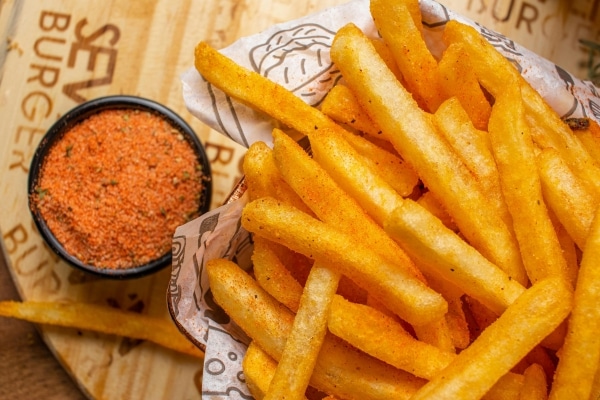
Heavy, fatty meals are difficult for the body to process, especially close to bedtime. Foods rich in grease or oil take longer to digest and force your system to work overtime when it should be slowing down. This can cause bloating, indigestion, and general discomfort that keeps you awake or causes restless sleep. A sluggish digestive system at night often leads to a groggy morning.
Fast food, cheesy casseroles, and deep-fried snacks are common culprits of this problem. When your stomach is busy breaking down fat, your body struggles to enter a calm, relaxed state. This delayed digestion can also increase the risk of acid reflux, especially when lying flat. Lighter, low-fat meals in the evening can ease the load on your digestive system and help you sleep better.
Sugar Spikes Can Cause Sleep Disruptions

Sugary treats might be tempting after dinner, but they can sabotage your rest more than you realize. When you eat sugar late at night, it causes a spike in blood glucose followed by a crash that can disrupt your natural sleep cycle. These rapid changes in energy can lead to nighttime awakenings and shallow sleep. Even desserts that seem light can pack enough sugar to cause issues.
Foods like ice cream, candy, cookies, and sweetened cereals are especially problematic. Consuming them before bed can trigger the release of stress hormones such as cortisol, which increases alertness. People with blood sugar sensitivities may notice even more pronounced effects. Replacing sweets with a small portion of complex carbs can help stabilize energy and promote deeper sleep.

Alcohol Might Knock You Out, But It Wrecks Your Sleep

Alcohol is often seen as a way to relax at the end of the day, but it doesn’t support healthy sleep. While it may initially make you feel drowsy, alcohol interferes with the body’s natural sleep cycles—particularly REM sleep, which is essential for feeling well-rested. As the alcohol is metabolized, it can cause you to wake up frequently throughout the night. What starts as a sleepy buzz often turns into fragmented, low-quality rest.
Drinks like wine, beer, and cocktails also act as diuretics, increasing the need to urinate and disrupting sleep further. Alcohol can relax throat muscles too much, leading to snoring or worsening sleep apnea in some individuals. Many people feel more tired the next day, even if they slept for a full eight hours. For better overnight recovery, it’s best to skip that nightcap and opt for calming drinks like chamomile or warm water with lemon.
Heavy Proteins Are Tough to Break Down Overnight

Protein is an important part of a balanced diet, but consuming large amounts before bed can cause problems. High-protein meals take longer to digest, which keeps your digestive system active when it should be winding down. This can result in discomfort, making it more difficult to fall into a deep and uninterrupted sleep. The body remains busy processing food instead of fully relaxing.
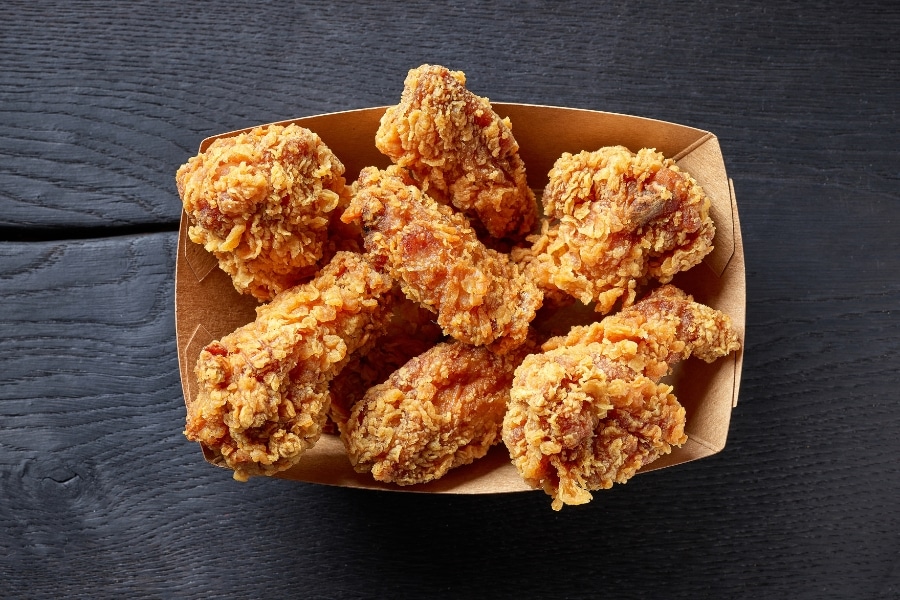
Steak, chicken wings, and pork ribs are just a few examples of protein-heavy foods that are best avoided late at night. While small portions are generally fine, large servings can tax your system unnecessarily. If you feel hungry in the evening, a light snack with a small amount of protein—such as yogurt or a boiled egg—can be a better option. Balancing your meal with complex carbs can further support a smoother transition to sleep.
High-Sodium Snacks Disrupt the Body’s Natural Balance

Salty foods might satisfy a late-night craving, but they can negatively impact your sleep in subtle ways. High sodium intake can lead to fluid retention, increased blood pressure, and dehydration—all of which place stress on the body. These effects can make it harder to relax, potentially raising your heart rate and interfering with your ability to drift off. Over time, these issues can add up to long-term sleep disturbances.
Processed foods like chips, salted nuts, microwave meals, and deli meats often contain more sodium than you might expect. Eating these late in the evening can also cause thirst, leading to frequent trips to the kitchen or bathroom. For people who already struggle with hydration or blood pressure, salty snacks before bed can be especially disruptive. Instead, try choosing fresh, whole foods that naturally contain less sodium and are gentler on your system overnight.
The Wrong Snack Could Be Costing You Sleep
Your nighttime routine shouldn’t end with a meal that keeps your body working overtime. Choosing foods that support rest rather than disrupt it can make a noticeable difference in how well you sleep. By paying attention to what you eat in the evening, you’re giving your body a better chance to relax, recover, and reset. Making a few smart swaps before bed can help you fall asleep faster, stay asleep longer, and wake up feeling truly refreshed.