
Feeling drained, sluggish, or mentally foggy even after a full night’s rest? Fatigue isn’t always caused by lack of sleep; it often starts with what ends up on your plate. The foods you eat throughout the day can either fuel your body or quietly deplete your energy without you realizing it. From blood sugar crashes to hidden ingredients that disrupt your system, common items in your daily diet might be dragging you down. By identifying these fatigue-triggering foods and making small changes, you can start feeling more energized, focused, and alert without relying on caffeine or energy drinks to get through the day.
The Link Between Food and Energy Levels

Your body turns food into energy, but not all foods are created equal when it comes to keeping you energized. Highly processed meals and nutrient-poor snacks often lack the essential vitamins and minerals your body needs to stay alert and focused. This can cause your energy levels to dip more frequently, leaving you feeling run down and irritable. While some foods offer a steady release of energy, others can spike your blood sugar and then cause it to crash just as quickly.
When blood sugar levels crash, your body responds with fatigue, hunger, and difficulty concentrating. Consistently eating foods that disrupt this balance forces your body to work harder to stay stable. Over time, this constant internal battle wears you down, both physically and mentally. Choosing the right foods isn’t just about nutrition—it’s about sustaining energy throughout the day.
Sugary Breakfast Foods That Set You Up for a Crash

Starting your morning with a sugary breakfast might feel satisfying at first, but it often leads to a mid-morning slump. Foods like sweetened cereals, pastries, and flavored yogurts spike your blood sugar quickly, giving you a short burst of energy. That burst fades fast, leaving you feeling sluggish and craving another quick fix. This cycle can make your mornings feel like a constant uphill battle against fatigue.
Eating breakfast high in sugar but low in protein and fiber sets you up for this repeated crash-and-crave pattern. Your body burns through the sugar rapidly, but without anything substantial to keep you full, your energy tanks soon after. You might feel tired, foggy, or even irritable before lunchtime hits. A better option would be choosing balanced meals with protein, fiber, and healthy fats to keep your energy steady and your mind clear.
Hidden Caffeine Traps That Disrupt Sleep
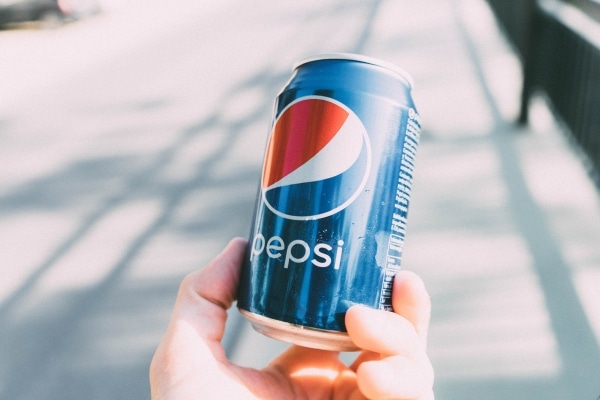
While caffeine is often used to fight off tiredness, it can be a hidden contributor to the fatigue you’re trying to avoid. Many people rely on coffee or energy drinks throughout the day, not realizing that caffeine can linger in the body for hours. Even if you fall asleep at night, caffeine can disrupt deep sleep stages, leaving you less rested the next morning. Over time, poor sleep leads to more caffeine use, creating a cycle that’s hard to break.
What makes it worse is that caffeine hides in more than just coffee—it’s in chocolate, sodas, and even some medications. These sneaky sources of caffeine may be keeping you up without your knowledge. Constant stimulation from caffeine can strain your nervous system, causing jitteriness, irritability, and more daytime fatigue. Cutting back gradually and being mindful of when and where caffeine shows up in your diet can help restore natural energy levels.