
Broccoli
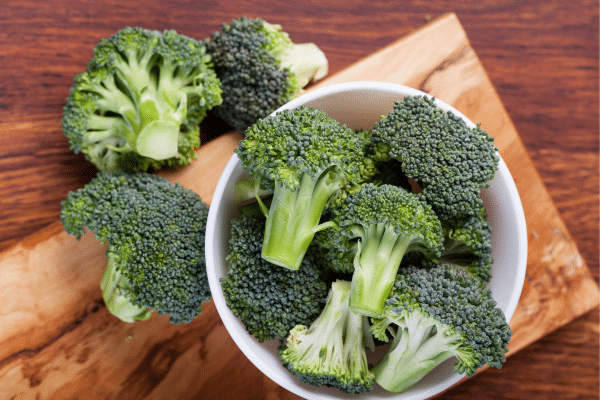
Broccoli is a powerhouse of nutrients beneficial for brain health, particularly due to its high levels of antioxidants and vitamin K. This cruciferous vegetable plays a crucial role in forming sphingolipids, a type of fat that’s densely packed into brain cells. The antioxidants in broccoli not only protect the brain from damage but also support overall brain health and function. Additionally, broccoli’s anti-inflammatory and antioxidant effects may help slow down brain aging and decrease the risk of memory-related diseases.
The impact of broccoli on cognitive functions is substantial. Its high content of compounds like flavonoids and isothiocyanates contributes to the enhancement of memory and prevention of brain diseases. These compounds have been shown to improve brain plasticity, which means they aid the brain in forming new connections, crucial for memory and learning. Regular consumption of broccoli can therefore be a strategic addition to a diet aimed at boosting memory and cognitive performance.
Pumpkin Seeds
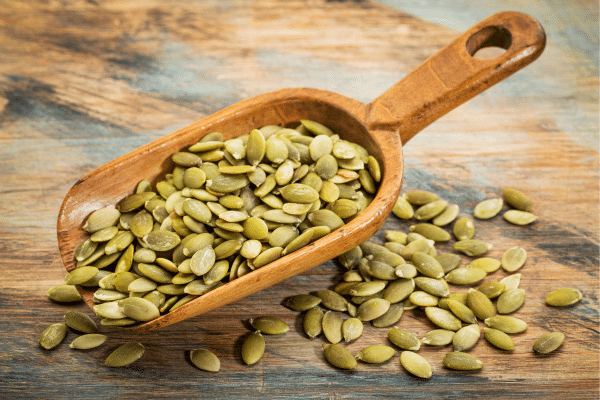
Pumpkin seeds are a treasure trove of essential nutrients for brain health, including magnesium, iron, zinc, and copper. Each of these minerals plays a significant role in maintaining proper brain function. Magnesium, for instance, is vital for learning and memory, and low levels of it can lead to neurological diseases. Iron, on the other hand, is crucial for brain oxygenation and cognitive function, while zinc and copper play critical roles in nerve signal transmission and neuroprotection.
The benefits of these nutrients found in pumpkin seeds are far-reaching. Zinc is especially important for nerve signaling, and a deficiency in zinc can lead to many neurological conditions, including Alzheimer’s disease and depression. Copper helps control nerve signals, and an imbalance can result in neurodegenerative disorders. Additionally, the high antioxidant content in pumpkin seeds provides protection against free radical damage, further safeguarding memory and overall brain health.
Oranges

Oranges, a well-known source of vitamin C, are essential for preventing mental decline and maintaining overall brain health. Vitamin C is a powerful antioxidant that combats free radicals, substances that can lead to oxidative stress and neurodegenerative diseases. High intake of vitamin C has been linked with a reduced risk of memory impairment and age-related cognitive decline. This vitamin is also crucial for repairing and maintaining brain cells, making it essential for optimal brain function.
The role of vitamin C from oranges in enhancing brain health extends beyond its antioxidant properties. This nutrient supports the health of blood vessels in the brain, ensuring adequate blood flow and oxygen supply, vital for memory and cognitive functions. Studies suggest that consuming adequate amounts of vitamin C can improve attention, decision-making, concentration, and memory. Therefore, regular consumption of oranges or other vitamin C-rich foods can contribute significantly to improved memory and cognitive health.
Eggs

Eggs are a nutritional powerhouse, especially in terms of their choline content, which is crucial for brain development and memory function. Choline is a micronutrient that aids in the creation of acetylcholine, a neurotransmitter involved in mood regulation, memory, and overall brain function. Most people do not consume sufficient choline through their diet, which makes eggs an important food source for this essential nutrient.
Besides choline, eggs are rich in other nutrients that support cognitive health, like B vitamins and omega-3 fatty acids. These nutrients are essential for regulating mood and maintaining the structure of brain cells. Research has shown that B vitamins, particularly B6, B12, and folic acid, help reduce homocysteine in the blood, high levels of which are associated with a greater risk of cognitive impairment and Alzheimer’s disease. Omega-3 fatty acids in eggs also contribute to brain health by building brain and nerve cells, essential for learning and memory.
The Bottom Line
Incorporating these foods into one’s diet can significantly contribute to improved memory and overall brain health. Each of these foods offers unique nutrients that support brain function, protect against cognitive decline, and enhance memory. By understanding the role of diet in cognitive health, making informed choices about what to eat can lead to a healthier, more active brain. Therefore, embracing a diet rich in these memory-boosting foods is not only beneficial for physical health but also essential for maintaining a sharp and effective cognitive function.