
Ginger

Ginger, another powerful root, is revered for its medicinal properties, especially its role in immune modulation and inflammation reduction. It contains gingerol, a bioactive compound shown to help reduce symptoms of autoimmune disorders. Ginger’s anti-inflammatory and antioxidant properties make it a valuable addition to an autoimmune-friendly diet.
Ginger can be incorporated into the diet – fresh, dried, or powdered. It adds a flavorful kick to meals and can be consumed as tea. For those with autoimmune conditions, regularly including ginger in their diet can offer symptomatic relief and contribute to overall well-being.
Nuts and Seeds

Nuts and seeds, including almonds, flaxseeds, and chia seeds, are rich in nutrients that are beneficial for immune health. They are a good source of omega-3 fatty acids, which, as mentioned earlier, are crucial for reducing inflammation. Additionally, nuts and seeds are high in fiber, protein, and various vitamins and minerals, supporting overall health and immune function.
Incorporating a variety of nuts and seeds into the diet is easy and beneficial. They can be added to breakfast cereals or salads or enjoyed as a snack. For those managing autoimmune disorders, nuts and seeds provide a nutrient-dense food option that supports immune health and helps manage inflammation.
Olive Oil
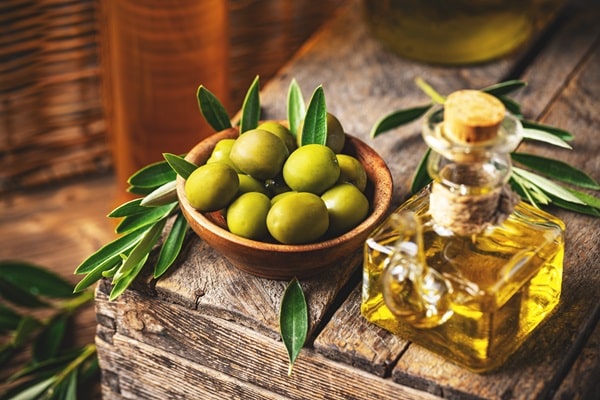
Extra virgin olive oil is renowned for its health benefits, particularly in the context of autoimmune disorders. It is rich in oleocanthal, a compound with anti-inflammatory properties similar to ibuprofen. This makes olive oil an excellent dietary addition for those seeking natural ways to manage autoimmune symptoms.
Olive oil is a staple in the Mediterranean diet, often recommended for overall health and longevity. It can be used for cooking, in salad dressings, or as a finishing oil, adding flavor and health benefits to meals. For individuals with autoimmune conditions, incorporating olive oil into their diet can help reduce inflammation and support immune health.
Fermented Foods

Fermented foods, such as yogurt, kimchi, and sauerkraut, are rich in probiotics – beneficial bacteria that play a crucial role in gut health. A healthy gut microbiome is essential for a well-functioning immune system, making fermented foods particularly beneficial for those with autoimmune disorders.
Regular consumption of fermented foods can help balance the gut microbiota, positively impacting immune regulation and reducing autoimmune responses. These foods can be included in the diet in various ways, offering a delicious and healthful way to support gut and immune health.
The Bottom Line
In conclusion, managing autoimmune disorders requires a holistic approach, with diet playing a pivotal role. The foods discussed – fatty fish, leafy greens, berries, turmeric, ginger, nuts and seeds, olive oil, fermented foods, cruciferous vegetables, and garlic – each offer unique benefits that can help in reducing inflammation, balancing the immune system, and alleviating symptoms. Incorporating these foods into a daily diet can significantly contribute to managing autoimmune conditions effectively. While diet alone may not cure these disorders, it can undoubtedly aid in creating a healthier, more balanced lifestyle for those affected. Thus, embracing these dietary choices can be a key step towards improved health and well-being for individuals with autoimmune disorders.