
Autoimmune disorders, a complex group of diseases where the immune system mistakenly attacks the body, affect millions globally. Nutrition plays a crucial role in managing these conditions, offering a beacon of hope for many. This article delves into a variety of foods that are not only nutritious but also have properties that can help manage autoimmune responses. Each food discussed provides unique benefits, from anti-inflammatory effects to boosting the immune system. By incorporating these foods into one’s diet, individuals dealing with autoimmune disorders can find a natural way to alleviate symptoms and improve their overall health.
Fatty Fish

Fatty fish, such as salmon, mackerel, and sardines, are renowned for their high omega-3 fatty acid content. The body does not produce these essential fats, which must be obtained through diet. They are known for their potent anti-inflammatory properties, particularly beneficial for autoimmune disorders where inflammation is a primary concern. Regular fatty fish consumption can help reduce symptoms’ intensity and may even slow disease progression.
Apart from omega-3s, fatty fish is also a great source of vitamin D, another nutrient vital for immune health. Many individuals with autoimmune disorders are deficient in vitamin D, and incorporating fatty fish into their diet can help bridge this gap. Whether grilled, baked, or added to salads, fatty fish offers a versatile and delicious option for those looking to manage autoimmune conditions through diet.
Leafy Greens

Leafy greens, including spinach, kale, and Swiss chard, are nutrient powerhouses. They are packed with vitamins A, C, and K and several antioxidants and minerals. These nutrients play a significant role in regulating the immune system and preventing unnecessary immune responses. Regularly consuming leafy greens can contribute to a balanced immune system, which is crucial in autoimmune conditions.
Incorporating leafy greens into the diet is also beneficial for gut health. They are high in fiber, which supports a healthy gut microbiome – a key factor in overall immune health. From smoothies to salads and stir-fries, leafy greens can easily be integrated into daily meals, offering flavor and many health benefits.
Berries
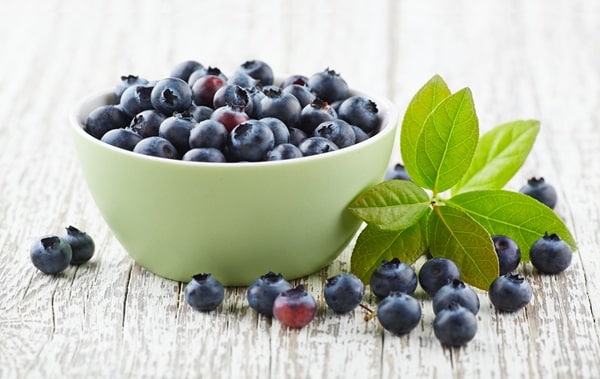
Berries, such as blueberries, strawberries, and raspberries, are small but mighty in their health benefits. They are packed with antioxidants, particularly flavonoids, which have been shown to have strong anti-inflammatory effects. This is especially beneficial for those with autoimmune disorders, as reducing inflammation can help manage symptoms and potentially lessen the severity of the disease.
Moreover, berries are a rich source of vitamins and fiber essential for a healthy immune system and overall well-being. They can be enjoyed fresh, in smoothies, or as part of desserts, offering a delicious and healthful addition to any diet, particularly for those managing autoimmune conditions.
Turmeric
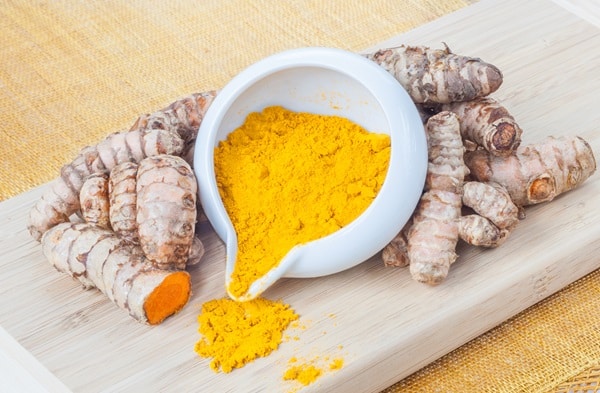
Turmeric, a spice commonly used in Asian cuisine, contains curcumin, a compound with powerful anti-inflammatory properties. Curcumin’s ability to modulate the immune system makes turmeric an excellent food for those with autoimmune disorders. It can help reduce inflammation and has been linked to improvements in symptoms of various autoimmune conditions.
Beyond its immune-regulating properties, turmeric also has antioxidant effects, further supporting overall health. It can be incorporated into the diet in various ways, from adding it to curries and soups to making
turmeric tea or golden milk. However, for maximum absorption, it is recommended to consume turmeric alongside black pepper, which contains piperine, a compound that enhances curcumin absorption.