Contents
Broccoli: The Green Vitamin C Champion

Broccoli, often hailed as a superfood, is a rich source of Vitamin C. Just a single cup of cooked broccoli offers more than the daily required amount of this essential vitamin. This green vegetable stands out for its Vitamin C content and cancer-fighting properties, attributed to the compound sulforaphane. Including broccoli in the diet can have far-reaching benefits for overall health.
Broccoli is also a good source of fiber, essential for healthy digestion, and is rich in vitamins K and A, which are vital for bone health and vision, respectively. Its versatility in cooking, from being steamed or sautéed to being added to soups and casseroles, makes it an easy addition to any meal plan.
Brussels Sprouts: Tiny Veggies, Big Vitamin C Source
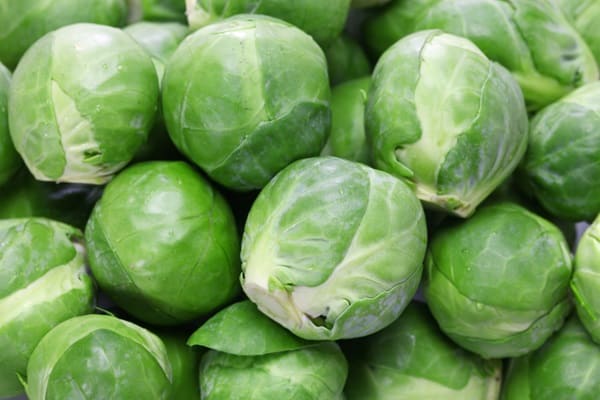
Brussels sprouts, the miniature cabbages, are often overlooked but pack a substantial Vitamin C punch. A serving of these small vegetables can provide more than the recommended amount of Vitamin C. They are not only beneficial for boosting the immune system but also for their high fiber content, which promotes digestive health.
These tiny veggies are also rich in vitamin K, essential for blood clotting and bone health. Their unique flavor, which can be enhanced through roasting or sautéing, makes them a delightful addition to various dishes. Integrating Brussels sprouts into meals is a great way to ensure a diet rich in Vitamin C and other essential nutrients.
Papaya: Tropical Delight Rich in Vitamin C
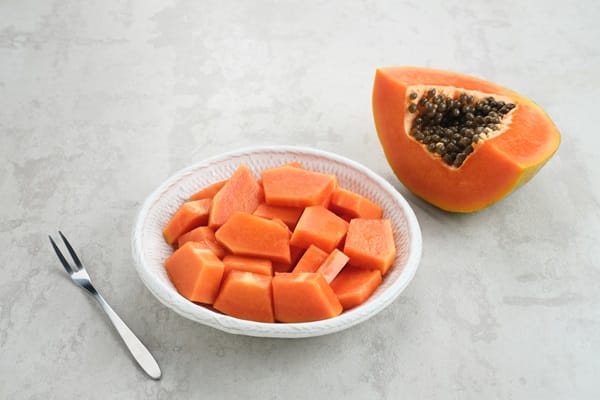
Papaya, a tropical fruit, is another excellent source of Vitamin C. A single papaya can provide more than the recommended amount of this vitamin. This fruit is great for the immune system and its digestive enzymes, which aid in digestion. Eating papaya regularly can contribute to better gut health and overall well-being.
The fruit is also rich in antioxidants, including carotenoids that can reduce inflammation and protect against disease. Its sweet taste and soft texture make it a popular ingredient in smoothies, fruit salads, and savory dishes. Papaya’s kitchen versatility and health benefits make it a valuable addition to a Vitamin C-rich diet.
Mango: The Sweet Source of Vitamin C
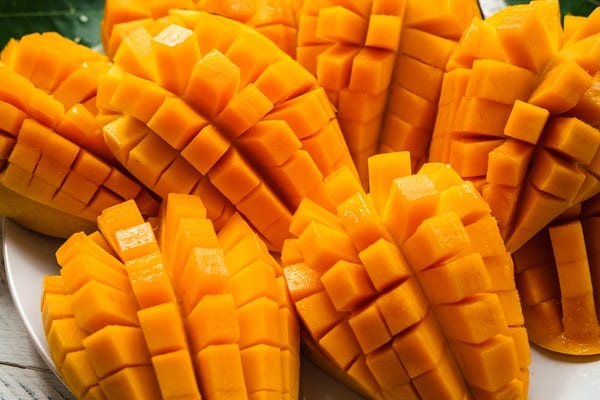
Mango, known as the ‘king of fruits’, is a delicious way to get a healthy dose of Vitamin C. One cup of mango provides nearly two-thirds of the recommended Vitamin C intake. This sweet fruit is not just about taste; it’s packed with nutrients contributing to overall health. Mangoes are particularly beneficial for skin health and can aid in lowering cholesterol levels.
The fruit is also a good source of dietary fiber, promoting digestive health, and contains vitamin A, essential for eye health. Its versatility in cooking makes it an ideal ingredient for sweet and savory dishes. From mango salsa to smoothies, there are numerous ways to enjoy this Vitamin C-rich fruit.
Embracing a Vitamin C-Rich Diet for Optimal Health
Embracing a diet rich in Vitamin C is essential for maintaining good health and well-being. The eight foods explored in this article offer various options to include this vital nutrient in daily meals. Each food provides unique flavors and health benefits, from the tangy citrus fruits to the hearty Brussels sprouts. Combining these Vitamin C-rich foods can contribute to a stronger immune system, better skin health, and improved well-being. It’s about making smart, delicious choices for a healthier life.