Vitamin C, a vital nutrient for health and well-being, is renowned for boosting the immune system and maintaining skin health. Found abundantly in various fruits and vegetables, it’s an essential vitamin the body cannot produce alone. This article delves into eight different foods, each a rich source of Vitamin C, offering a burst of this crucial vitamin and a range of other health benefits. From the tangy citrus fruits to the unassuming Brussels sprouts, each food item presents an opportunity to enhance one’s diet for a healthier life.
Contents
Citrus Fruits: Nature’s Tangy Powerhouses

Citrus fruits like oranges, lemons, limes, and grapefruits are synonymous with Vitamin C. These fruits offer a refreshing zest and are packed with this essential nutrient. An orange, for instance, can provide nearly 70% of the daily recommended intake of Vitamin C. Their versatility in the culinary world makes them a popular choice for a daily dose of this vitamin. Whether squeezed into a juice, zested over a salad, or eaten as a snack, citrus fruits are a delicious and easy way to boost your Vitamin C intake.
In addition to Vitamin C, these fruits also contain flavonoids, known for their antioxidant properties. Regular consumption can contribute to a stronger immune system and better skin health and may even reduce the risk of certain chronic diseases. The ease of incorporating citrus fruits into diets worldwide makes them an invaluable source of not only Vitamin C but also other essential nutrients.
Kiwi: The Small Fruit with Big Benefits
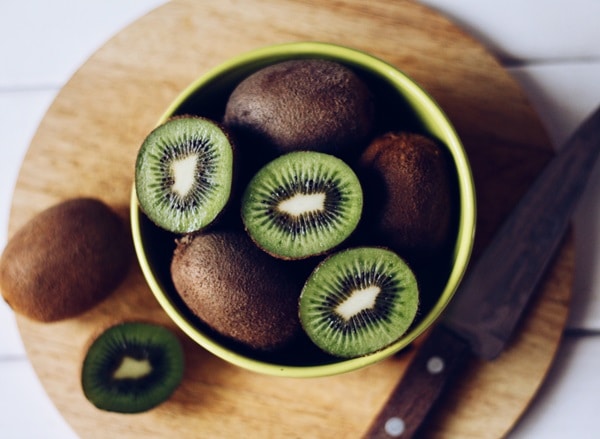
Kiwi, a small fruit with a vibrant green interior, is surprisingly rich in Vitamin C. One medium-sized kiwi can provide about 85% of the recommended Vitamin C intake. This makes it an exceptional choice for those looking to boost their vitamin intake through natural sources. The fruit’s unique sweet and tangy flavor adds a delightful twist to various dishes, from salads to desserts.
Kiwi’s benefits extend beyond its Vitamin C content. It is also a good dietary fiber source, aiding digestion and promoting gut health. Moreover, it contains antioxidants that help fight free radicals in the body. Incorporating kiwi into one’s diet is beneficial for its vitamin C richness and overall contribution to a healthier lifestyle.
Strawberries: Sweet and Nutritious

Strawberries, known for their sweet flavor and appealing appearance, are a surprisingly potent source of Vitamin C. A cup of strawberries can provide 100% of the daily recommended intake, making them an excellent choice for a vitamin-rich snack. These berries are not just about taste; they offer many health benefits that go hand in hand with their Vitamin C content.
These juicy fruits are also rich in antioxidants and phytonutrients, contributing to overall health and well-being. Regular consumption can aid in maintaining a healthy heart, controlling blood sugar levels, and even in skin care. Strawberries can be easily incorporated into the diet in smoothies, salads, or as a natural sweetener in various dishes.
Bell Peppers: Colorful Crunch of Health

Bell peppers, with their vibrant colors and crunchy texture, are more than just a flavorful addition to meals; they are a remarkable source of Vitamin C. Surprisingly, a single bell pepper can contain up to three times the Vitamin C of an orange, making it one of the best sources of this vitamin. This makes bell peppers a versatile culinary ingredient and a powerhouse of nutrition.
These colorful vegetables also contain beta-carotene, which the body converts into Vitamin A, essential for eye health. Additionally, bell peppers are low in calories yet high in fiber, making them an excellent choice for those looking to maintain a healthy diet. Their mild flavor and versatility in cooking—from stir-fries to salads—make them an easy and delicious way to increase Vitamin C intake.