
Superfoods have surged in popularity, emerging as nutritional powerhouses in health and wellness discussions. These nutrient-rich foods not only offer an array of health benefits but also add variety and flavor to daily meals. Superfoods are distinguished by their exceptional nutrient density, which includes vitamins, minerals, antioxidants, and other health-promoting compounds. This blog post delves into several remarkable superfoods, each bringing unique benefits to the table. The journey through these foods reveals not just their historical significance but also practical ways to incorporate them into a modern diet for optimal health and well-being.
Turmeric

Turmeric, a bright yellow spice, has been a staple in culinary and medicinal traditions, especially in Asia, for thousands of years. Known for its distinctive color and flavor, it’s a key ingredient in many dishes, including curries. Beyond its culinary uses, turmeric is revered for its potent anti-inflammatory and antioxidant properties, primarily due to curcumin, its active compound. Studies have shown that curcumin can significantly reduce markers of inflammation and is being researched for its potential in treating various health conditions.
The health benefits of turmeric extend beyond inflammation control. It has been linked to improved brain function, reduced risk of heart disease, and even potential cancer-fighting properties. However, curcumin’s low bioavailability means it’s not easily absorbed by the body. Combining turmeric with black pepper, which contains piperine, enhances curcumin absorption, making the most of its health benefits. Including this spice in daily cooking not only enriches the flavor profile but also contributes to overall health.
Blueberries

Blueberries are small fruits that pack a substantial nutritional punch. They are incredibly rich in antioxidants, particularly anthocyanins, which give them their blue color and are known for their protective effects against oxidative stress. This high antioxidant content is beneficial in fighting free radicals, which can damage cells and lead to chronic diseases. Blueberries are also a good source of fiber, vitamin C, and vitamin K, making them an excellent addition to a healthy diet.
The health benefits of blueberries extend to several key areas. Regular consumption of these berries has been linked to improved heart health, as they can help lower blood pressure and cholesterol levels. Additionally, studies suggest that blueberries enhance brain function and may slow age-related cognitive decline. They’re versatile in the kitchen, easily added to breakfast cereals, smoothies, or simply enjoyed as a healthy snack. Their natural sweetness and nutritional profile make them a favorite among health-conscious individuals.
Quinoa
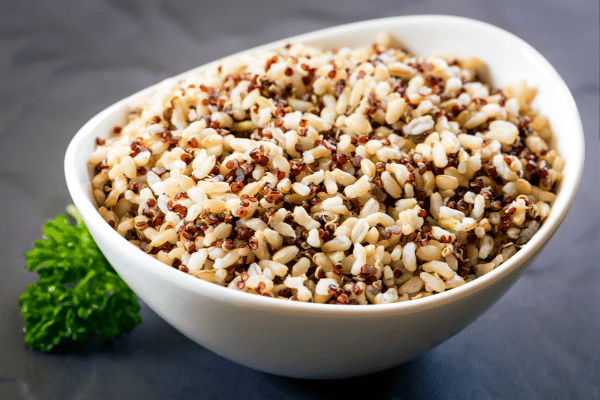
Quinoa, once a staple food for the ancient Incas, is now hailed as a modern superfood. This gluten-free grain is one of the few plant foods that contain all nine essential amino acids, making it a complete protein source. It’s also high in fiber, B-vitamins, iron, potassium, calcium, phosphorus, vitamin E, and various beneficial antioxidants. These nutritional properties make quinoa a valuable food for overall health and a great alternative for those following a gluten-free diet.
Quinoa’s health benefits are broad and impressive. It is known for its beneficial effects on metabolic health, including improving blood sugar control and lowering cholesterol. Its high fiber content aids in digestion and may contribute to weight management by increasing feelings of fullness. Quinoa is incredibly versatile in the kitchen, easily incorporated into salads, soups, and even as a rice substitute. Its nutty flavor and ease of preparation make it a popular choice for those seeking nutritious, yet convenient meal options.