Understanding the pivotal role of vitamins in promoting health and preventing diseases is crucial at every stage of life. From the moment of birth, through the trials of adolescence, into the challenges of adulthood, and the golden years, the body’s nutritional requirements shift. This article explores the essential vitamins necessary for each age group, offering insights into how these needs evolve. With this knowledge, individuals can make informed decisions about their diet and supplementation to support optimal health.
Infants & Toddlers: Foundation for Growth

Vitamins D and K are paramount in the early years of life for laying down the building blocks of health. Vitamin D, often called the “sunshine vitamin,” is vital for calcium absorption and bone development, while Vitamin K plays a crucial role in blood clotting and bone metabolism. Despite the body’s ability to synthesize vitamin D through sunlight exposure, breastfed infants are at risk of vitamin D deficiency, making supplementation under pediatric guidance essential.
The need for vitamin A escalates during infancy and toddlerhood, supporting vision and immune function. Carrots, sweet potatoes, and green leafy vegetables are excellent sources, but it’s crucial to balance intake to avoid toxicity. Pediatricians often emphasize the importance of breast milk and formula in meeting infants’ nutritional needs. However, as toddlers transition to solid foods, parents should carefully introduce various vitamin-rich foods to support their growth and development.
Children: Building Blocks of Health

As children grow, their nutritional needs expand to support their rapid development. Vitamin C becomes a hero in this stage, supporting immune function and aiding in iron absorption from plant-based foods. Its role in collagen formation is essential for healing wounds and maintaining healthy skin. Parents can meet these needs through a diet rich in fruits and vegetables, such as oranges, strawberries, bell peppers, and broccoli.
B vitamins, including B12 and folate, are crucial for children’s energy metabolism and brain development. B12, found in animal products, supports the nervous system and red blood cell formation, while folate aids in DNA synthesis and works together with B12 to ensure proper growth and development. For children on a vegetarian or vegan diet, B12 supplementation might be necessary, underlining the importance of dietary planning to meet these critical nutritional needs.
Teenagers: Navigating Nutritional Needs
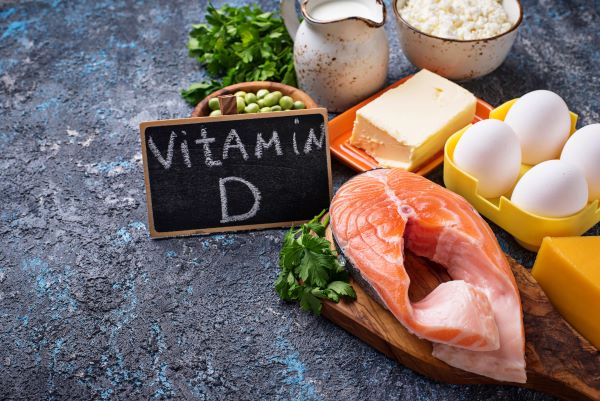
Rapid growth, hormonal changes, and an increased demand for nutrients mark the teenage years. Vitamin D and calcium are particularly important for bone health, as the foundation for adult bone density is laid during this time. Girls, in particular, need to ensure adequate intake to support peak bone mass development, with dairy products, fortified foods, and sunlight exposure being key sources.
Iron and B vitamins support teenagers’ energy and cognitive performance. With the onset of menstruation, girls’ iron needs increase, making red meat, beans, and fortified cereals important components of their diet. B vitamins, particularly B6 and B12, support brain health and energy levels, essential for managing the rigors of academic and extracurricular activities.