
Bowel and bladder incontinence can be uncomfortable, embarrassing, and disruptive to daily life. Many people experience occasional leakage or urgency without understanding why it happens or what can be done about it. These conditions are more common than most realize, and they can affect people of all ages. Understanding the causes behind incontinence can help you take meaningful steps toward prevention or management. Whether the issue is physical, neurological, or related to medication, uncovering the source is the first step in getting relief. This article will explore eight key causes of bowel and bladder incontinence and provide helpful context for each one.
Neurological Disorders

When the brain or nerves are damaged, the body may lose the ability to properly control the muscles used for urination and bowel movements. Conditions like multiple sclerosis, Parkinson’s disease, or spinal cord injuries can interfere with the communication between the brain and the bladder or rectum. This disruption can cause symptoms such as sudden urgency, leakage, or the complete inability to hold waste. The lack of control often progresses over time if the underlying condition is not addressed.
These neurological issues may also limit the person’s awareness of the need to go, leading to more frequent accidents. Some individuals struggle with muscle coordination, while others may experience muscle weakness or paralysis. In either case, the inability to regulate these functions can be physically and emotionally draining. Identifying and treating the neurological condition often provides a clearer path toward better management of incontinence.
Pelvic Floor Muscle Weakness

Weakness in the pelvic floor muscles is a leading cause of both bowel and bladder incontinence. These muscles support the bladder, uterus, and rectum, and they play a critical role in controlling the release of waste. When they become stretched or damaged, it becomes harder to maintain control during everyday activities. Simple movements such as sneezing or laughing can cause unexpected leakage.
Pelvic muscle weakness can result from childbirth, surgery, aging, or prolonged pressure from chronic constipation. Over time, the muscles lose tone, which reduces their ability to contract effectively when needed. This loss of strength makes it easier for waste to pass without warning. Strengthening the pelvic floor with exercises and physical therapy can often restore function and reduce symptoms.
Urinary Tract Infections (UTIs)
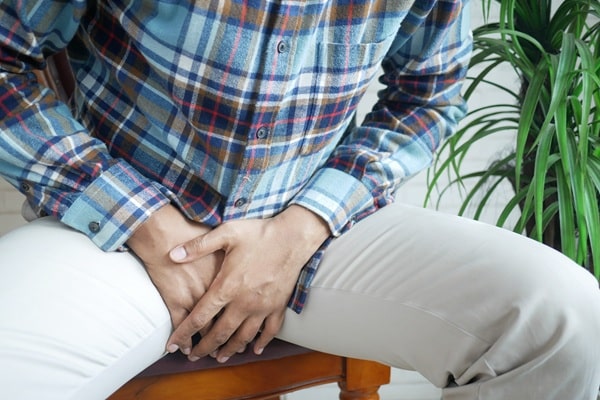
Urinary tract infections are a temporary but common cause of bladder incontinence, particularly in women. When the bladder becomes irritated due to an infection, it can create an overwhelming sense of urgency. This urgency may lead to accidental leakage before a person can reach the bathroom. In some cases, the infection may also cause pain or a burning sensation while urinating.
For older adults, UTIs may cause confusion or behavior changes, which can worsen incontinence symptoms. Treating the infection with antibiotics usually brings relief within a few days. Drinking plenty of fluids and maintaining proper hygiene can help prevent these infections from recurring. Once the infection clears, bladder control often returns to normal.