Trying to lose weight after 40 can be a unique challenge due to changes in metabolism, hormonal shifts, and often a more sedentary lifestyle. However, it’s not only possible but also beneficial to adapt one’s weight loss strategies to these changes. This guide focuses on effective, age-appropriate methods to shed pounds and improve overall health. By understanding and implementing tailored nutritional changes, strength training, cardiovascular activities, and hormonal balance techniques, individuals can approach weight loss more effectively and sustainably. Embrace the journey ahead with these targeted strategies designed to help you overcome the specific hurdles of losing weight after 40.
Contents
Tailored Nutritional Changes

Nutrition after 40 requires a shift to accommodate slower metabolism and changing body needs. It’s crucial to focus on nutrient-dense foods that provide energy and support muscle maintenance without excess calories. Incorporating more proteins and fibers helps in feeling fuller for longer and maintaining muscle mass, which is key to keeping metabolism active. Reducing simple carbohydrates and unhealthy fats can prevent unnecessary weight gain and support overall health. Understanding these dietary adjustments is the first step towards a successful weight loss journey post-40.
As metabolism slows down, every calorie consumed is more significant than in younger years. Smart calorie reduction, not drastic cuts, is essential to ensure the body receives the necessary nutrients. This means choosing whole foods over processed options, cooking at home more often to control ingredients, and being mindful of portion sizes. Hydration also plays a critical role in metabolism and satiety; therefore, increasing water intake is a simple yet effective strategy. By making these informed nutritional changes, individuals can create a sustainable eating plan that supports weight loss and health.
Strength Training
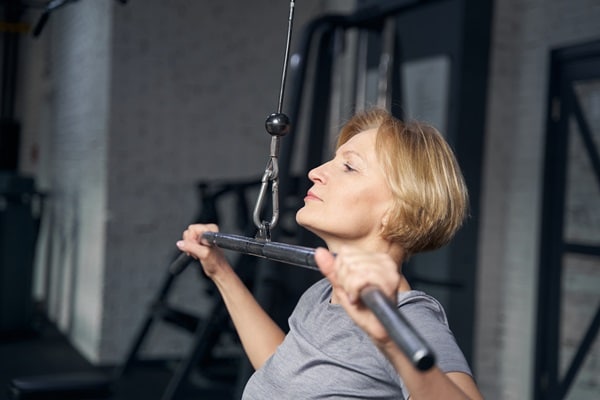
Strength training becomes increasingly important as you age, helping to counteract the natural loss of muscle mass known as sarcopenia. Incorporating resistance exercises into your routine boosts metabolism, strengthens bones, improves balance, and enhances overall quality of life. Starting with lighter weights and gradually increasing the intensity ensures safety and effectiveness. It’s not about lifting heavy but about consistency and proper form to maximize benefits and minimize injury risk.
For individuals over 40, strength training is not just about aesthetics; it’s a health imperative. Engaging in regular sessions can improve posture, increase metabolism, and lead to better weight management. Two to three times per week is generally recommended, focusing on major muscle groups for balanced development. It’s also beneficial to mix in some functional movements that mimic daily activities, enhancing agility and reducing the risk of falls. With patience and persistence, strength training can be a cornerstone of weight loss and maintenance after 40.
Cardiovascular Exercise

Cardiovascular exercise is vital for heart health and weight management, especially in the later years. Low-impact activities such as brisk walking, cycling, or swimming can be particularly beneficial for those over 40, offering a reduced risk of injury while effectively burning calories. Regular cardio helps improve heart and lung capacity, reduce stress, and increase endurance. It’s about finding an activity you enjoy and can sustain long-term, integrating it into your routine for consistent benefits.
While high-intensity workouts may be less suitable as you age, moderate-intensity activities can be just as effective for weight loss and health improvement. The key is consistency and duration rather than intensity. Aiming for at least 150 minutes of moderate aerobic activity or 75 minutes of vigorous activity per week, as recommended by health authorities, can lead to significant improvements. Remember, every bit counts and even shorter sessions accumulated throughout the day can contribute to your goals. Cardiovascular health is a marathon, not a sprint; a steady, enjoyable approach is most effective.
Hormonal Balance

Hormonal changes are a natural part of aging, significantly impacting weight and overall health. For women, menopause brings a decrease in estrogen, leading to weight gain, especially around the abdomen. Men experience a gradual decline in testosterone, which can result in increased body fat and decreased muscle mass. Understanding these changes is crucial in adapting your weight loss strategy. A diet rich in whole foods, regular physical activity, and stress reduction can all help mitigate these effects and promote hormonal balance.
Addressing hormonal imbalances often requires a multifaceted approach, including diet, exercise, and sometimes medical intervention. Foods that support hormone health include those rich in omega-3 fatty acids, antioxidants, and phytoestrogens. Regular check-ups with a healthcare provider can also help monitor and manage any hormonal issues that may be affecting weight. Additionally, practices such as yoga and meditation can reduce stress, which in turn helps regulate hormones like cortisol, known for its role in weight gain. By taking a proactive approach to hormonal health, individuals can better manage their weight and overall well-being.