
Stay Hydrated

Hydration plays a critical role in weight loss and overall health. Drinking enough water aids in metabolism and helps in the efficient functioning of the body’s systems. Often, signals of thirst can be mistaken for hunger, leading to unnecessary calorie consumption. By staying properly hydrated, one can avoid this common pitfall. Aim for at least 8 glasses of water a day, more if engaging in physical activity or during hot weather.
In addition to helping with weight loss, adequate water intake improves skin health, boosts energy levels, and aids in digestion. Replacing sugary drinks with water is an easy way to cut down on empty calories. For those who find plain water unappealing, infusing it with lemon, cucumber, or mint can enhance the taste, making it more enjoyable to drink throughout the day.
Limit Sugar Intake
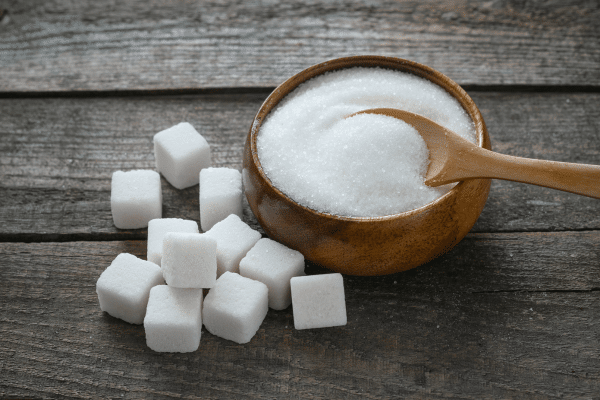
Reducing sugar intake is crucial for weight loss and overall well-being. Excessive sugar consumption is linked to various health issues, including obesity, type 2 diabetes, and heart disease. Sugary foods and beverages are often high in calories but low in nutritional value. By cutting back on sugar, one can significantly reduce calorie intake.
It’s important to be aware of hidden sugars in processed foods, even in items that don’t taste particularly sweet, such as sauces and bread. Reading labels can help identify these hidden sugars. Instead of sugary snacks, opt for fruits, nuts, or yogurt. When craving something sweet, choosing natural sweeteners like honey or maple syrup in moderation is a healthier alternative.
Mindful Eating

Mindful eating is about being fully present and engaged during meals. It involves paying attention to the sensory experiences of eating, like the taste, texture, and aroma of food. This practice helps in recognizing when one is full, reducing the likelihood of overeating. Eating slowly and without distractions like TV or smartphones allows for better digestion and a more enjoyable eating experience.
Mindful eating also involves being aware of the emotional aspects of food. It’s important to recognize if one is eating out of boredom, stress, or emotion rather than hunger. By understanding these patterns, it’s possible to develop healthier eating habits. Mindful eating is not about restriction but about experiencing food more intensely and enjoying it without overindulgence.
Incorporate Lean Proteins
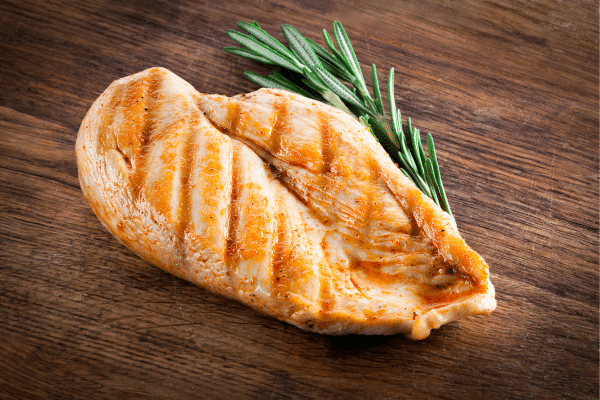
Including lean proteins in the diet is essential for weight loss. Proteins keep one feeling full longer, reducing the likelihood of snacking on unhealthy foods. Lean protein sources like chicken, turkey, fish, beans, and legumes are low in fat and calories but high in nutrients, making them ideal for weight management.
Incorporating these proteins into meals doesn’t have to be complicated. Grilled or baked chicken, fish, or tofu can be added to salads, soups, or stir-fries for a satisfying meal. Beans and legumes are versatile and can be used in a variety of dishes, from chili to hummus. Eating a balanced amount of lean protein at each meal can significantly aid in feeling full and satisfied, thus aiding in weight loss efforts.
The Bottom Line
Achieving weight loss is more about making sustainable changes than adopting drastic measures. By incorporating more fruits and vegetables, controlling portion sizes, choosing whole grains, staying hydrated, limiting sugar intake, eating lean proteins, and practicing mindful eating, one can create a healthy relationship with food. These habits not only contribute to weight loss but also to overall health and well-being. Remember, the key to successful weight loss is consistency and making small changes that can be maintained over time. Adopting these habits can lead to losing a pound or more a week, paving the way to a healthier, more balanced lifestyle.