
Losing weight can often seem like a daunting challenge, fraught with complex diets and rigorous exercise regimes. However, shedding pounds doesn’t always have to be complicated. Simple, sustainable changes in eating habits can lead to significant weight loss over time. This approach focuses on making small, manageable adjustments to the diet that can be maintained long-term, thereby avoiding the common pitfalls of yo-yo dieting. The key is consistency and understanding that even minor changes can lead to major results.
Eat More Fruits and Vegetables
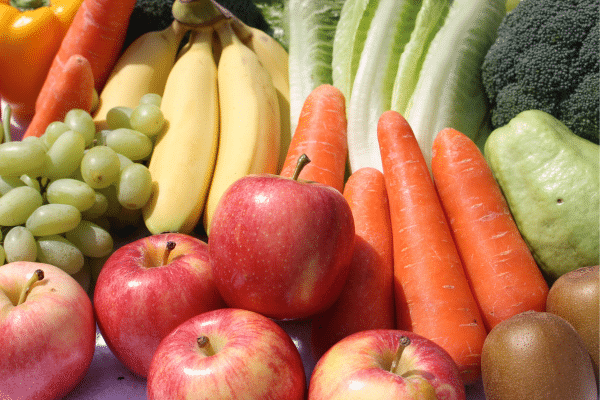
Incorporating more fruits and vegetables into one’s diet is a cornerstone of weight loss. These foods are high in fiber, vitamins, and minerals, yet low in calories. They help fill up the stomach, reducing the likelihood of overeating. Additionally, the high fiber content aids in digestion and prolongs the feeling of fullness, curbing the urge to snack on less healthy options. By simply adding a serving of fruits or vegetables to each meal, one can increase nutrient intake while keeping calorie count low.
Fruits and vegetables also offer variety and flavor. From crunchy carrots and bell peppers to juicy berries and citrus fruits, there’s an abundance of options to suit any palate. Creative ways to include them in meals include adding fruit to breakfast cereals, snacking on vegetables with hummus, and incorporating them into salads, soups, and stir-fries. This not only enhances the taste of meals but also ensures a balanced intake of essential nutrients.
Control Portion Sizes

Controlling portion sizes is a highly effective way to manage calorie intake without the need for drastic dietary changes. Many people are unaware of how much they should eat, often resulting in consuming more calories than needed. A good start is to use smaller plates for meals, as this can naturally encourage smaller servings. It’s also beneficial to learn to distinguish between a serving and a portion, as a serving is the recommended amount of food, while a portion is how much is actually eaten.
It’s important to listen to hunger cues and stop eating when feeling comfortably full, not stuffed. Portion control doesn’t mean depriving oneself but being mindful of the quantity of food. In restaurants, consider sharing a meal or asking for a half-portion. At home, avoid eating straight from the package; instead, portion out snacks into bowls or containers. This method of eating can lead to a significant reduction in calorie intake over time, contributing to weight loss.
Choose Whole Grains Over Refined Grains
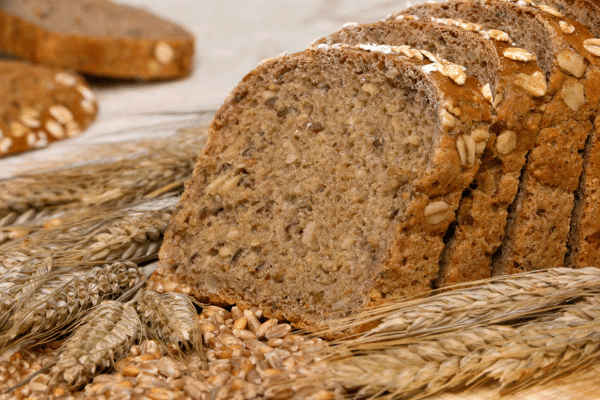
Swapping refined grains for whole grains is another simple yet effective strategy for weight loss. Whole grains, such as brown rice, quinoa, whole wheat, and oats, retain all parts of the grain, offering more fiber, protein, and other nutrients than their refined counterparts. This higher fiber content aids in digestion and helps maintain a feeling of fullness longer, preventing overeating.
Incorporating whole grains into the diet is easier than it seems. Start by replacing white bread with whole-grain bread, choosing brown rice over white, or opting for whole-grain pasta. For breakfast, oatmeal or whole-grain cereals are excellent choices. These swaps not only help with weight management but also contribute to overall health, reducing the risk of heart disease, diabetes, and certain types of cancer.