
Environmental Consequences

Pesticides can also have detrimental effects on the environment, impacting ecosystems and biodiversity. When pesticides are applied to crops, they can drift into nearby habitats or leach into soil and water systems, affecting non-target organisms such as beneficial insects, birds, and aquatic life. Many pesticides are toxic to pollinators like bees, which play a vital role in crop pollination and food production.
The phenomenon of bioaccumulation, where pesticides accumulate in the tissues of organisms and become more concentrated as they move up the food chain, can have devastating effects on wildlife populations. For example, the pesticide DDT, which was widely used in the mid-20th century, was found to cause eggshell thinning in birds of prey, leading to population declines. While DDT has since been banned in many countries, other pesticides continue to pose threats to wildlife and ecosystems worldwide.
Pesticide Resistance
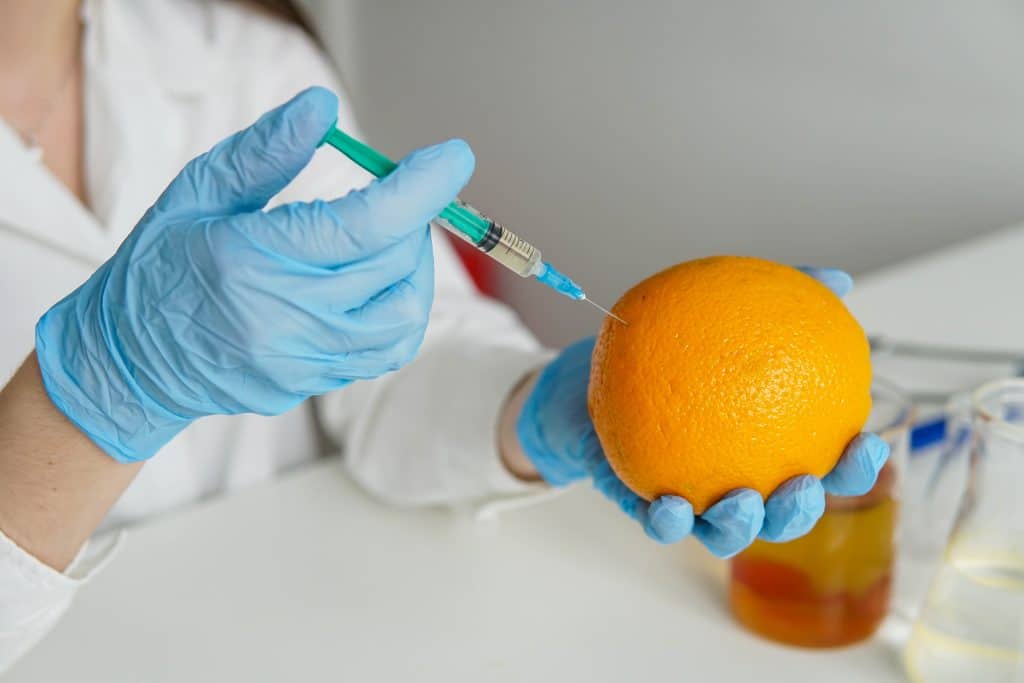
Pesticide resistance occurs when pests evolve to withstand the toxic effects of pesticides, rendering them less effective over time. This phenomenon has been observed in numerous pest species, including insects, weeds, and fungi. As a result, farmers may need to apply increasingly larger amounts of pesticides or use more potent chemicals to achieve the desired level of pest control, further exacerbating the risks associated with pesticide exposure.
Pesticide resistance can have significant implications for agriculture, as resistant pests can cause substantial crop losses and reduce food production. It also poses challenges for the environment, as increased pesticide use can lead to greater contamination of soil, water, and ecosystems. To combat pesticide resistance, integrated pest management (IPM) strategies, which combine biological, cultural, and chemical control methods, are being increasingly promoted as a more sustainable approach to pest control.
Contaminated Water Sources

Pesticides can contaminate water sources through runoff from agricultural fields, leaching into groundwater, and drift from aerial applications. The presence of pesticide residues in drinking water can pose health risks to humans and wildlife alike. Some pesticides are known to cause disruptions to aquatic ecosystems, harming fish and other aquatic organisms, and potentially impacting the food chain.
Ingesting pesticide-contaminated water can lead to acute and chronic health problems, similar to those associated with consuming foods containing pesticide residues. Ensuring that water sources are adequately protected from pesticide contamination is essential for maintaining public health and preserving aquatic ecosystems.
Reducing Pesticide Exposure

There are several steps consumers can take to reduce their pesticide exposure and mitigate the dangers of pesticides in their food. Choosing organic or pesticide-free products, when possible, can help minimize exposure to synthetic pesticide residues. Additionally, thoroughly washing fruits and vegetables, and peeling when appropriate, can help remove surface pesticide residues. A diet rich in a variety of fruits and vegetables can also help minimize the potential risks associated with consuming a single type of food with high pesticide residue levels.
Farmers and policymakers can adopt alternative farming practices that minimize pesticide use and focus on more sustainable approaches to pest control. Integrated Pest Management (IPM) strategies, which combine biological, cultural, and chemical control methods, can help reduce the reliance on synthetic pesticides while maintaining crop yields. Additionally, investment in research and development of alternative pest control methods, such as biopesticides and precision agriculture technologies, can help create a more sustainable food system that is less reliant on synthetic pesticides.
Reduce Pesticide Exposure Today!
The dangers of pesticides in your food are a significant concern for both human health and the environment. Acute and chronic health problems, impacts on children’s health, environmental consequences, and pesticide resistance are just a few of the issues associated with pesticide exposure. By understanding these risks and taking steps to minimize exposure, such as choosing organic products and practicing thorough food hygiene, you can help protect yourself, your loved ones, and the environment from the harmful effects of these chemicals. It is also essential for farmers, policymakers, and researchers to continue working towards more sustainable and environmentally friendly pest control methods to reduce your reliance on synthetic pesticides and create a safer, healthier food system for all.